Designer handbag, fourth holiday of the year, new house, lavish wedding: these unsubtle wealth flexes are foisted on the average social media user the moment they thumb their timelines. From TikTok to Instagram, both big influencers and everyman profiles are using their digital footprint to create an illusion of wealth that looks wildly out of place given the current economic chaos.
Thanks to the rising cost of literally everything from food to fuel, almost half of Britons have less than £25 in spare cash at the end of each week, research has found, with two-thirds cutting back on essentials like food and heating. Yet, on the internet, life is lived lavishly – and studies have shown this delusion could be making our financial reality worse.
A study of students in Pakistan found that young people don’t judge wealth by savings, income or assets, but by clothes, phones, cars, restaurants and online lifestyles. As a result, some feel wealthy simply because they can display certain habits – even if their finances can’t back them up. Often, this discrepancy can lead to overspending, poor decisions, lower savings, more debt and financial stress.
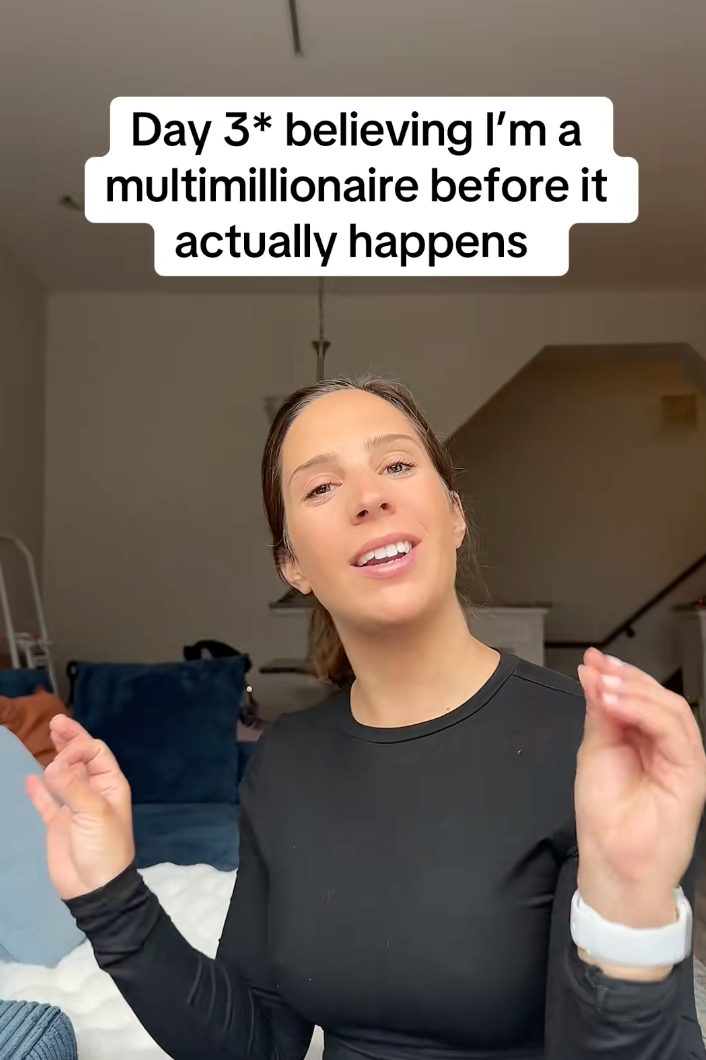
A “fur coat no knickers” mentality is hardly a new trend. But faking it until you make it has taken on a new form online. “You have to feel abundant and rich before you become a multimillionaire,” preaches TikToker The Confidence Coach, one of many creators selling guides on how to become astronomically rich through manifestation practices aka spending beyond your means to make it a reality. “It’s 100 per cent real,” she tells her hundreds of thousands of viewers. “I feel like a multimillionaire even though my bank account isn’t currently reflecting it.”
Financial psychotherapist Vicky Reynal deems this fantastical genre of content to be “unhelpful, if not even irresponsible” when it comes to influencing viewers’ money mindsets. “People love to be given permission to engage in magical thinking – it’s much more appealing than reality,” she says, pointing out that spending money on things you can’t afford will not make them more affordable. “If anything, it will set you back.”
The one truth in all this is that people do “feel rich” when they spend. But it’s short-lived. When they see the impact on their finances, “the feeling fades and is quickly replaced by a tsunami of regret, shame and, often, imposter syndrome too,” Reynal adds. “Even if we feel rich when we spend, we don’t become richer – as much as we’d like to think that that’s how it works.
“Why do some people do it? I suppose attention has become a currency in itself. So, if you’re seeking attention and followers, that kind of content will give you that; but it won't give you financial wellbeing, nor will it give it to those who follow the advice.”
It’s easier than ever to pose as smug and wealthy online. Everyone from Drake to Katie Price’s missing husband Lee Andrews has a photo in a private jet on their Instagram – some legitimate, others less so. Five years ago, Los Angeles influencers were found to have been renting out stage sets of private planes by the hour. In 2026, you can simply ask ChatGPT to create the image for you without even getting up from your sofa.

When you take away the spiritual veneer, this isn’t money manifesting; it’s self-deception in financial perception. In the UK, an estimated 11 million people use Buy Now Pay Later (BNPL) platforms like Clearpay or Klarna. Meanwhile, two and a half million are stuck in persistent credit card debt. Sometimes, this is spending for survival – to feed children, pay household bills – other times, it’s delirium that’s been marketed as an investment.
Influencer Isabel Lorna, who now has 713,000 followers and brand deals with SpaceNK, and L'Oréal Paris shared on the Bishness as Usual podcast last year that she bought a £2,000 bag she couldn’t afford when she was 19 – just to get brands to notice her. “I just knew it would play out well,” she said of the success she secured. But this duplicity can go wrong.
“It’s exactly the same behavioural trait as gambling,” says wellbeing psychologist and behavioural economist Mark Pittacio. “It’s the sunk cost fallacy. We’ll pour money, more money, more money, thinking ‘it’ll turn, it’ll get better’ and quite often it doesn’t. It’s a risky strategy.”
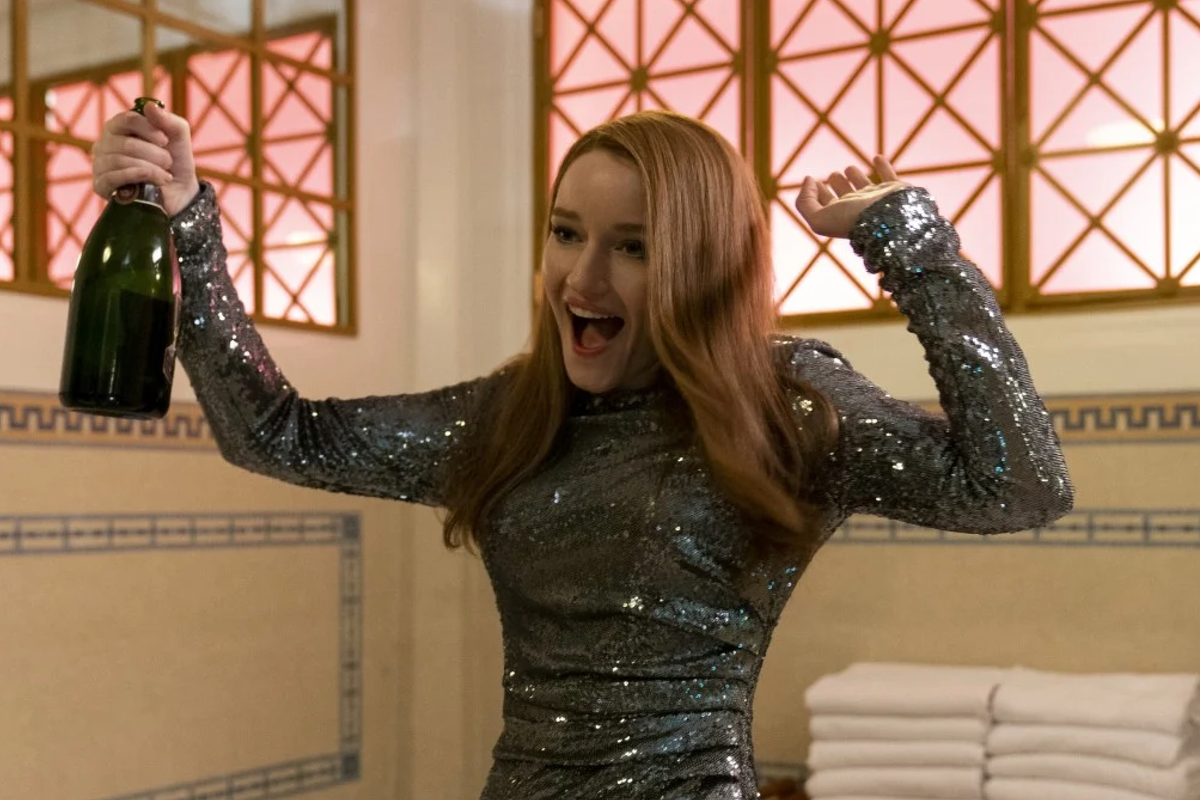
Lorna found her way to free holidays and handbags; others end up in prison. In the most extreme cases, illusions of wealth can lead to financial fraud. Famously, Anna Sorokin, aka Anna Delvey, pretended to be a German heiress to establish herself in New York. She befriended rich socialites, convincing them to pay for hotels, flights and lavish meals, under the guise that she would pay them back but later “forgot” to do so.
She was sentenced to four to 12 years in prison in 2019 and continued to do interviews and exhibit multiple art collections while still incarcerated. By the time she was released in 2022, she’d achieved everything she wanted, and which her parents’ humble home life couldn’t provide: wealth and notoriety. It didn’t matter that she’d lied and cheated; she had the art career she’d always dreamed of, a New York City apartment, access to designer clothes – and over 1 million followers on Instagram.

The convicted felon represents the new American dream that hinges on smoke and mirrors. With virality overtaking the need for veracity, if you can make it to the upper echelons of fame, you can get everything for free. “Everyone is so rich until you hang out with them,” observes one girl from Miami on TikTok, to hundreds of thousands of likes of agreement. “There are a lot of Anna Delveys out there,” a user in the comment section adds.
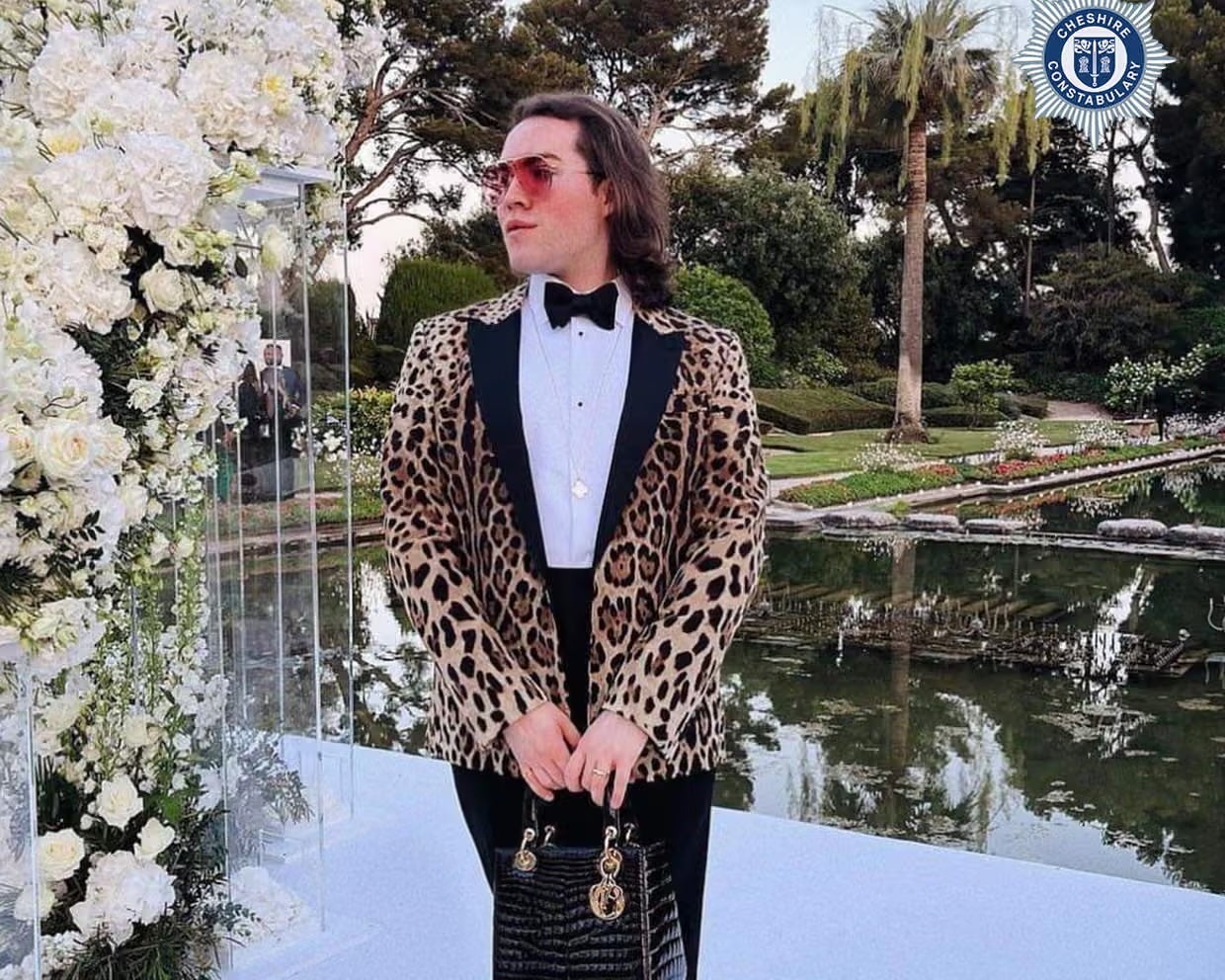
In the UK, we’re in a similar hellscape. Jack Watkin, who dubbed himself Cheshire’s own Kardashian and appeared on Channel 4’s Rich Kids of Instagram series in 2016, was jailed last year for defrauding people out of more than £200,000 to fund his fantasy influencer lifestyle. One woman handed over thousands to Watkin, thinking she was investing in a Hermes handbag that was only available to buy through his exclusive invite-only sale. In fact, she was paying the con man’s stay at The Dorchester.
To a lesser extent, walk by the Gucci or Dior stores on Bond Street – one of the most exclusive shopping districts in the world – and you’ll see endless people using them as the background setting for their Instagrams, sometimes even posing with an empty bag. DSLR cameras flash, sometimes there’s an outfit change, and then they’re off home without spending a single penny.
“In times when many people feel that wealth feels out of reach, creating successful illusions might give them a sense of control where they feel they otherwise lack it,” Reynal reflects. “But it doesn't endure. Ultimately, they know that they’re going to return the luxury bag, or that the background is AI-altered: at a deeper level, they know the truth. So maybe the solution isn’t creating the illusion that you’re keeping up but finding ways of enjoying the money that you do have in a good enough way.”
It can be hard to be satisfied with your lot. Social media has created money visibility that didn’t exist before. Private jets, luxury homes and multi-million-pound yachts have shifted from something you can see from the shore on a day trip to Monaco to aspirational markers of a good life – that everyone from manosphere content creators to questionable money gurus can convince scrollers they can, and should, possess.
“Many people seem fixated on a social media persona and it does tend to surround this idea that they’re wealthy; that they’re entitled to wealth,” concludes Pittaccio. “It’s almost a recipe for misery; a misunderstanding of what makes you happy. Well-being, growth, connection and contribution to society will do that – money, beauty and popularity won’t. I’m extremely concerned about the superficial lives people are leading,” he adds. “It’s just empty calories. It’s soulless.”