Usually when someone or something inspires us, we know about it. But sometimes, a person, a book, a character can get under our skin, inside our heads, even find their way into our work – without us realising.
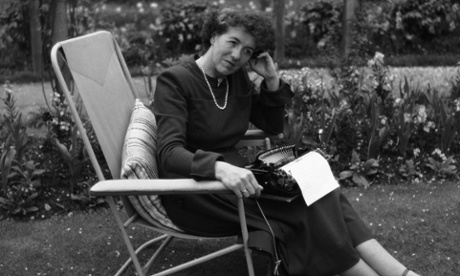
I’ve been inspired by many people and many books in my life – but there’s one which sneaked into my thoughts, snuggled down in a quiet corner of my mind and left a small imprint. That book is The Adventures of the Wishing-Chair by Enid Blyton.
The concept is simple and perfect. Brother and sister Mollie and Peter go to buy a present for their mother, and discover a chair that can sprout wings and fly. The chair grants wishes and takes them on magical adventures.
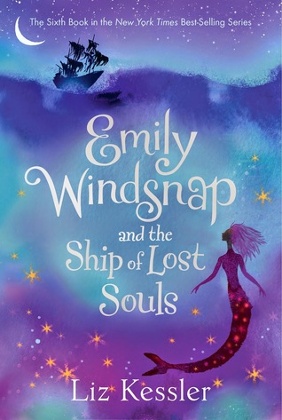
I didn’t consciously think about this book much, if at all, for many years. But then, much later, I started writing my Emily Windsnap books: a series about a girl who discovers that when she goes in water she becomes a mermaid. She has an ordinary life on land, but has all sorts of adventures in her mermaid life.
I still didn’t give a thought to The Adventures of the Wishing-Chair.

And then I started getting emails from young girls about my books. Sometimes they would tell me that when they went swimming they would imagine they grew a tail, like Emily. There was something familiar about this, but I still didn’t recognise what it was.
Then I wrote about Philippa Fisher – a girl who picks a daisy that becomes her fairy godsister. This book was inspired by my own experience of (very nearly) doing the same when I was about eight years old. I say very nearly. The truth is, I knew my daisy would become a fairy at midnight. But just before midnight, I got so scared that I scrunched up the daisy and threw it out of the window. Philippa Fisher does the same – but her fairy doesn’t go away.
I remembered how desperately I had wanted my daisy to become a fairy. I imagined children reading Philippa Fisher’s Fairy Godsister and hoping the same would happen to them. And then I realised why that feeling was familiar. It was the feeling I’d had whenever I read The Adventures of the Wishing Chair. I would sit in an armchair at home and hope fervently that it would sprout wings and take me out of the window and on to wonderful adventures.
It never did. But that feeling – of loving a book so much, of hoping that its magic might, just might, find its way into my life – was such a beautiful and powerful feeling, and it is one that I realise I am often trying to create for my readers in the books I write.
I hope that I occasionally succeed. There’s nothing nicer for a writer than to think of your readers so lost in the world you have created that they passionately want to be part of it.
Liz Kessler is the author of the Emily Windsnap and Philippa Fisher series of books, as well as the YA novel Read Me Like a Book. Find out more about Liz and her books at lizkessler.co.uk. Buy the sixth book in the series, Emily Windsnap and the Ship of Lost Souls, at the Guardian bookshop.