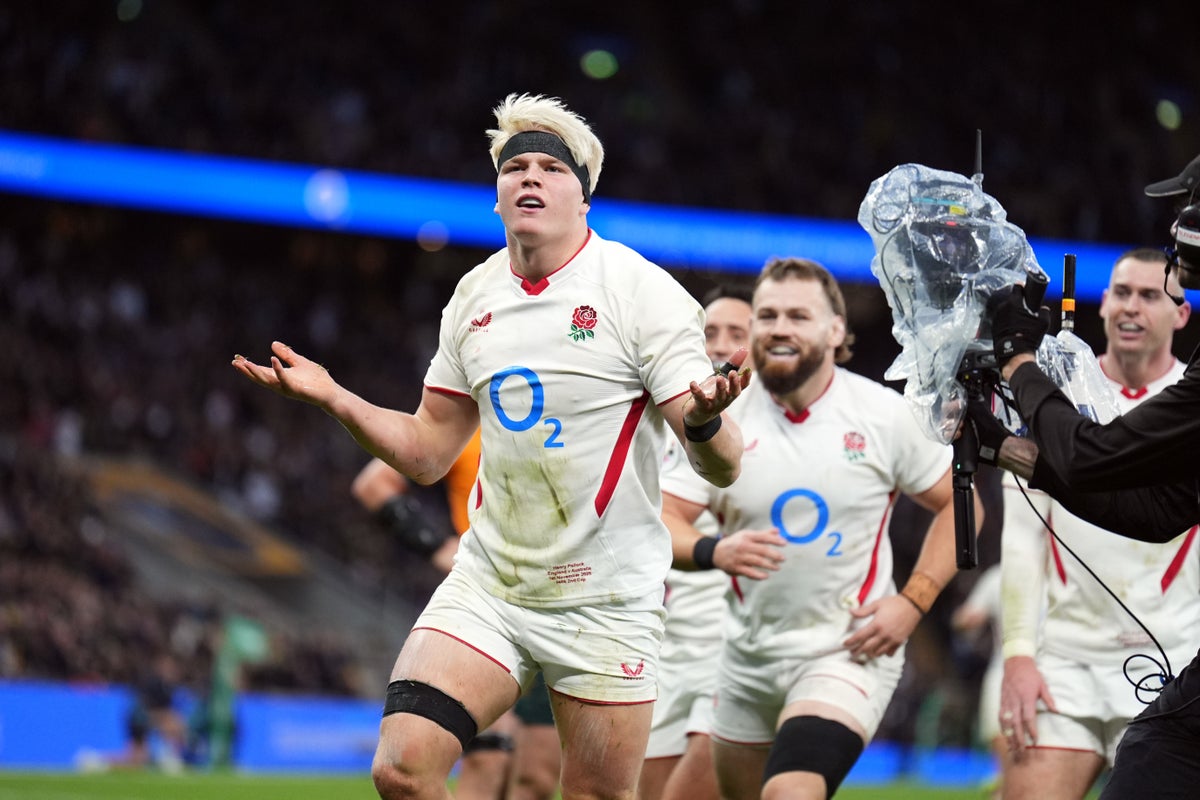
It was the TikTok video seen around the world – and even by Steve Borthwick. On 15 November, just a short while after England had beaten the All Blacks at Twickenham, Tommy Freeman logged onto social media and posted a short clip of he, Fin Smith, Henry Pollock and Freddie Steward – three Saints and a Tiger breaking down East Midlands divides – bopping, weaving and dancing in a choreographed routine of which Bob Fosse might have been proud.
Captioned “post game feels”, their jig, and the many, many outtakes, had been recorded on the Wednesday prior to the New Zealand clash, but the timing of its posting was opportune. At last count, it has 21.9m views, spawning plenty of imitations. A great many of those to have watched the clip will have far more familiarity with it than, say, Pollock’s setting up of Tom Roebuck’s match-sealing score.
@tommyfreeman15 Post game feels! LFG 🕺 @finsmith.10 @ac4ontop @Freddie Steward @England Rugby #bang#lookout
♬ original sound - tommyfreeman15
If the sculpting of one’s image and personal brand has always been part of life as a professional athlete, the last few years have seen a marked shift in the manner in which this is done. As Generation Z, generally defined as those born between 1997 and 2012, have moved out of adolescence and into adulthood, they have brought with them a digital literacy that has come with being raised both in and, to some extent, by a world warped by social media and new-age communication.
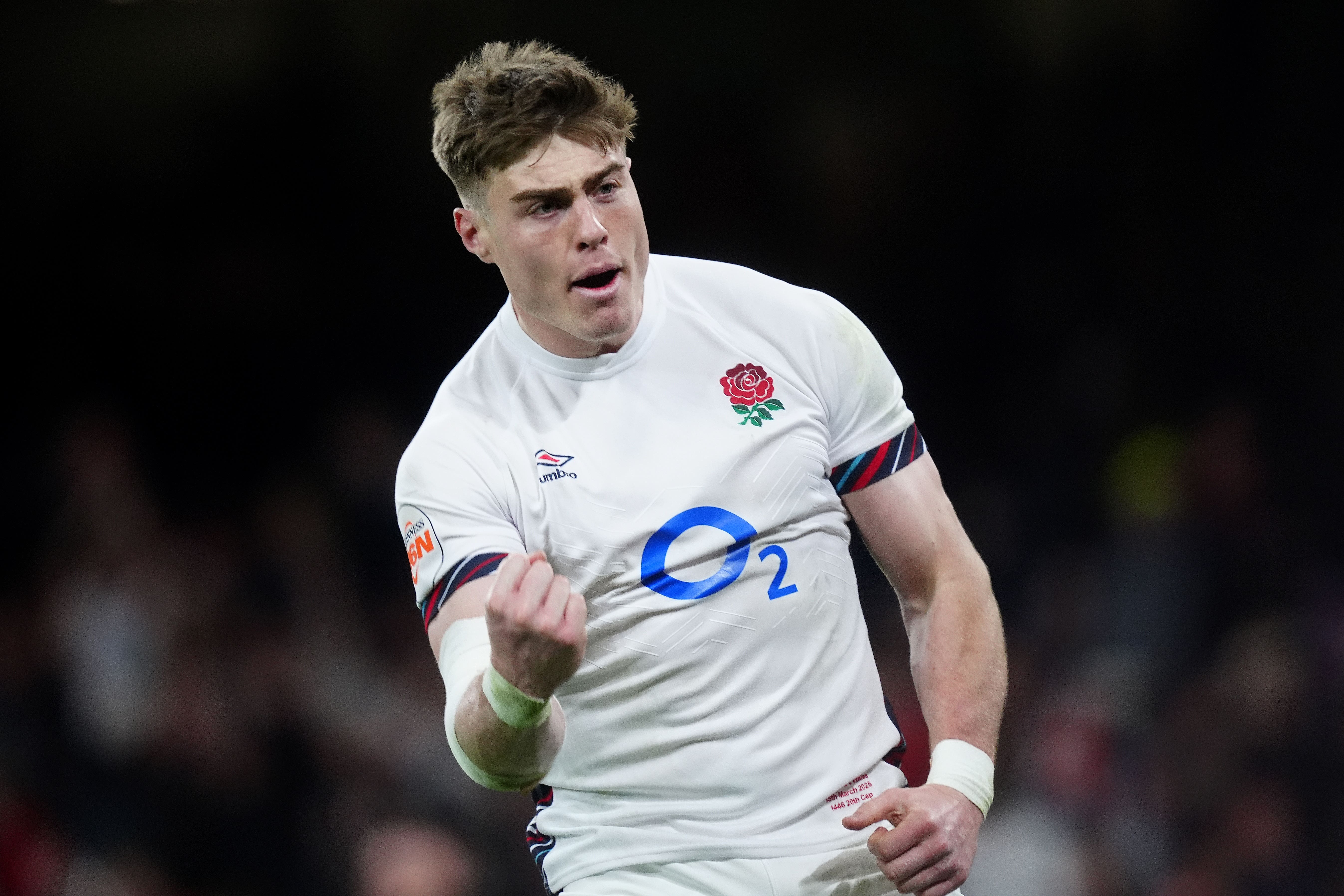
Within rugby, the sense of change feels particularly pronounced. Generally a sport of small-c conservatism resistant to overly outward or outspoken characters, a new breed of male and female players are challenging rugby’s societal norms. Pollock, a top talent who has matched on-field antics with intelligent cultivation of his brand, is at the vanguard, forging a connection with fans that may only become more apparent as he embarks on a first full Six Nations campaign.
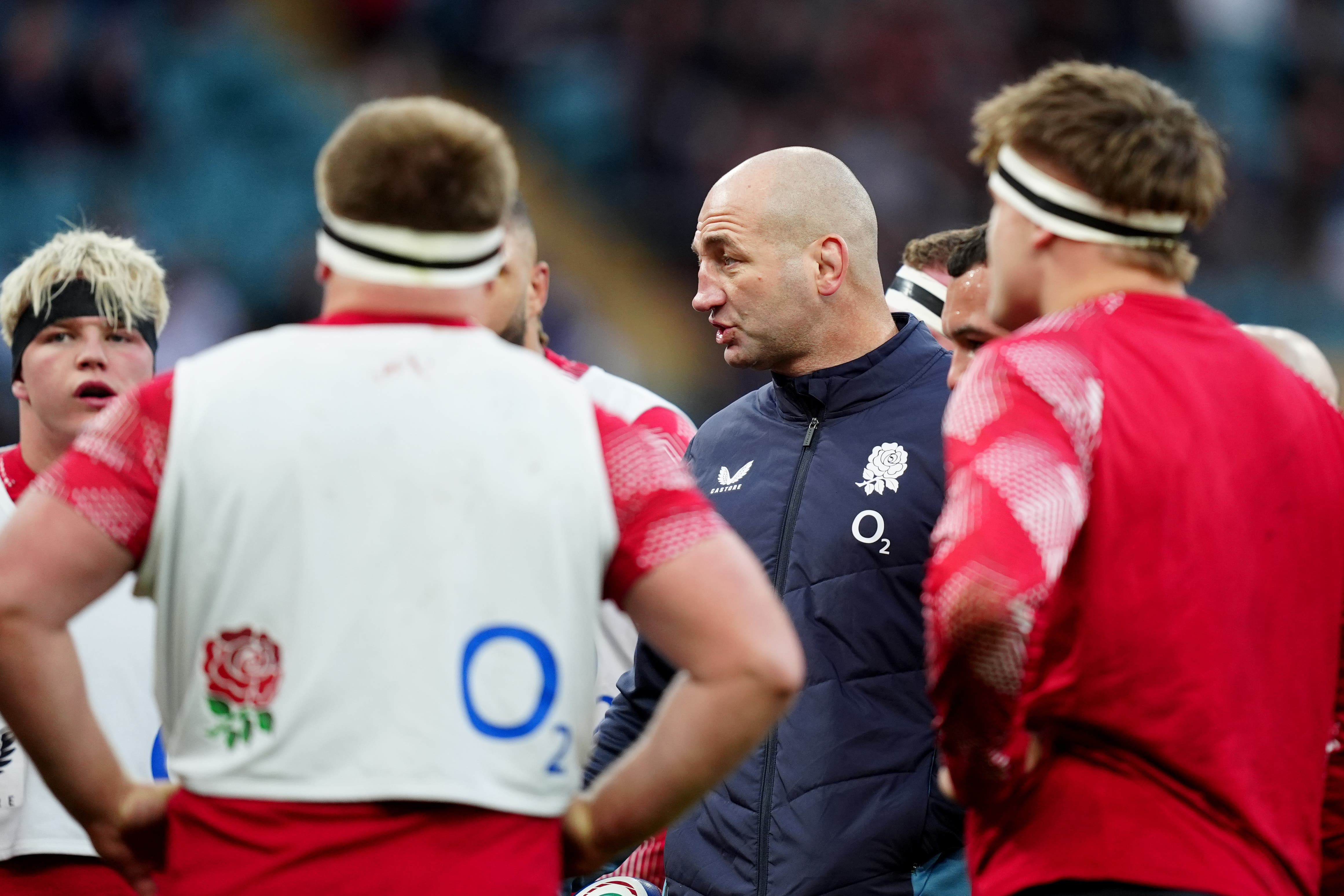
“We need superstars,” Borthwick explains as he reflects on the TikTok clip. “The game needs superstars. The public, the kids watching around the country and around the world want superstars.
“There was a kid at a junior rugby game that I saw the other day that was wearing black tape around their head, because they wanted to be like Henry Pollock. They want superstars that inspire them, and these characters. That is absolutely wonderful. I genuinely think that is wonderful.”
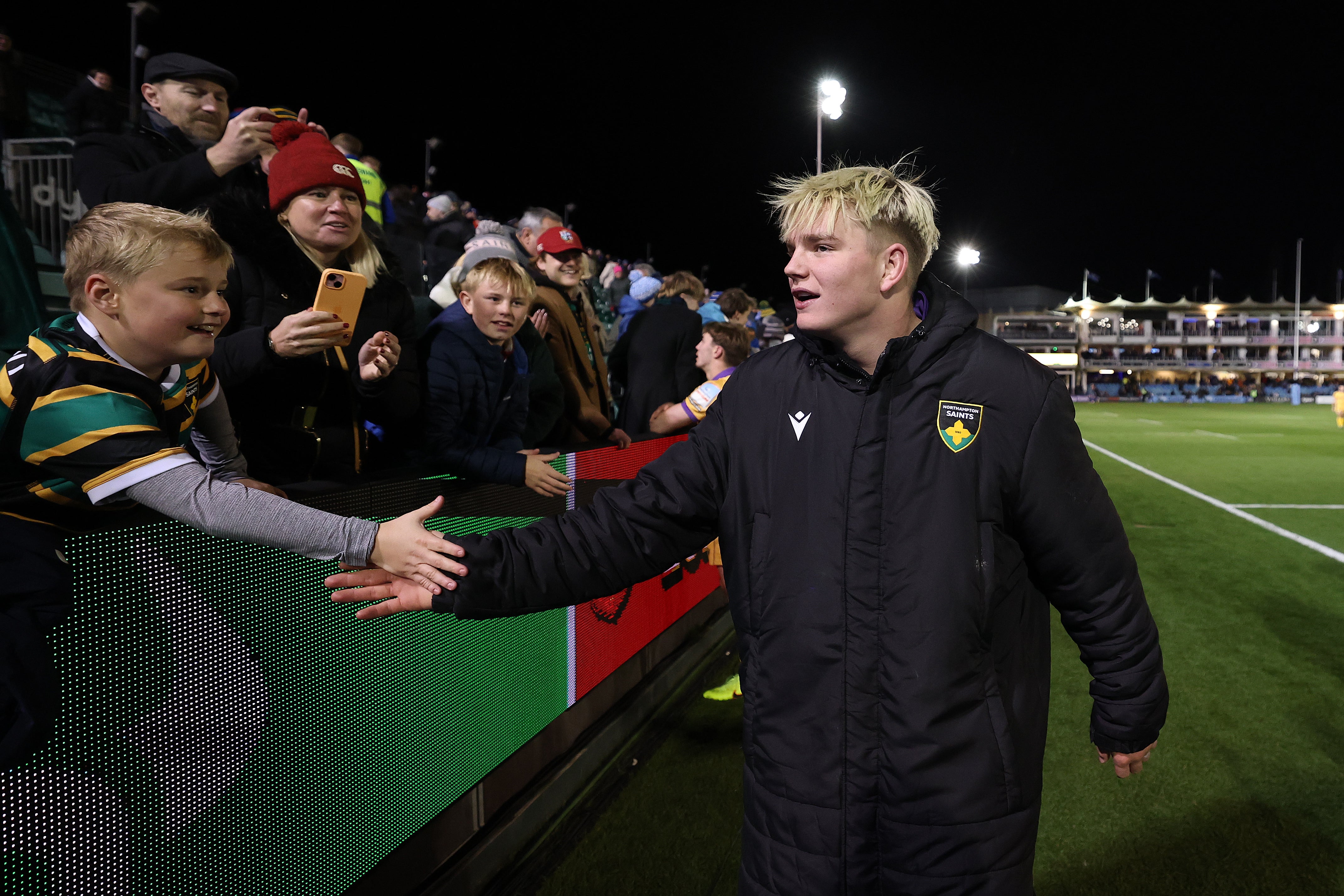
Increasingly, top coaches are recognising that a capacity to express oneself on and off the pitch tends to go hand-in-hand. The goal in any environment is to create a culture in which all are comfortable; while clearly work must come before play, unnecessary censure or criticism is unwise. The carrot, generally, is now better than the stick, and finding ways to weaponise the energy that some young athletes bring can be a performance advantage.
In the book Gen Z, Explained: The Art of Living in a Digital Age, Stanford scholar Roberta Katz assesses that the generation are generally highly self-driven, collaborative and diverse-minded – qualities that would lend themselves perfectly to a high-performing sports team. The confidence carried by some, including Pollock, can at first take some aback, but he is hugely liked at Northampton and England. “He’s an idiot, but he’s our idiot,” chuckled hooker Jamie George to the BBC in December. The Red Roses, meanwhile, were encouraged by head coach John Mitchell to have as much fun as possible in their time off during their successful World Cup campaign – the pressure release proved valuable, and the 61-year-old coach himself popped up on several of his squad’s TikTok accounts.
Max Ojomoh was noted by Maro Itoje, his England captain, to have carried a “swagger” in camp before making his first Twickenham start against Argentina in November – that translated, with the centre creating tries with a cross-field kick and out-the-back offload. While England remain data-driven and exercise caution in certain ways, some of their recent performances that have most frustrated Borthwick is when they have played “small”, and failed to try things or throw an extra pass. Another set-back could well come in the next few weeks but the head coach feels improvements have been made.
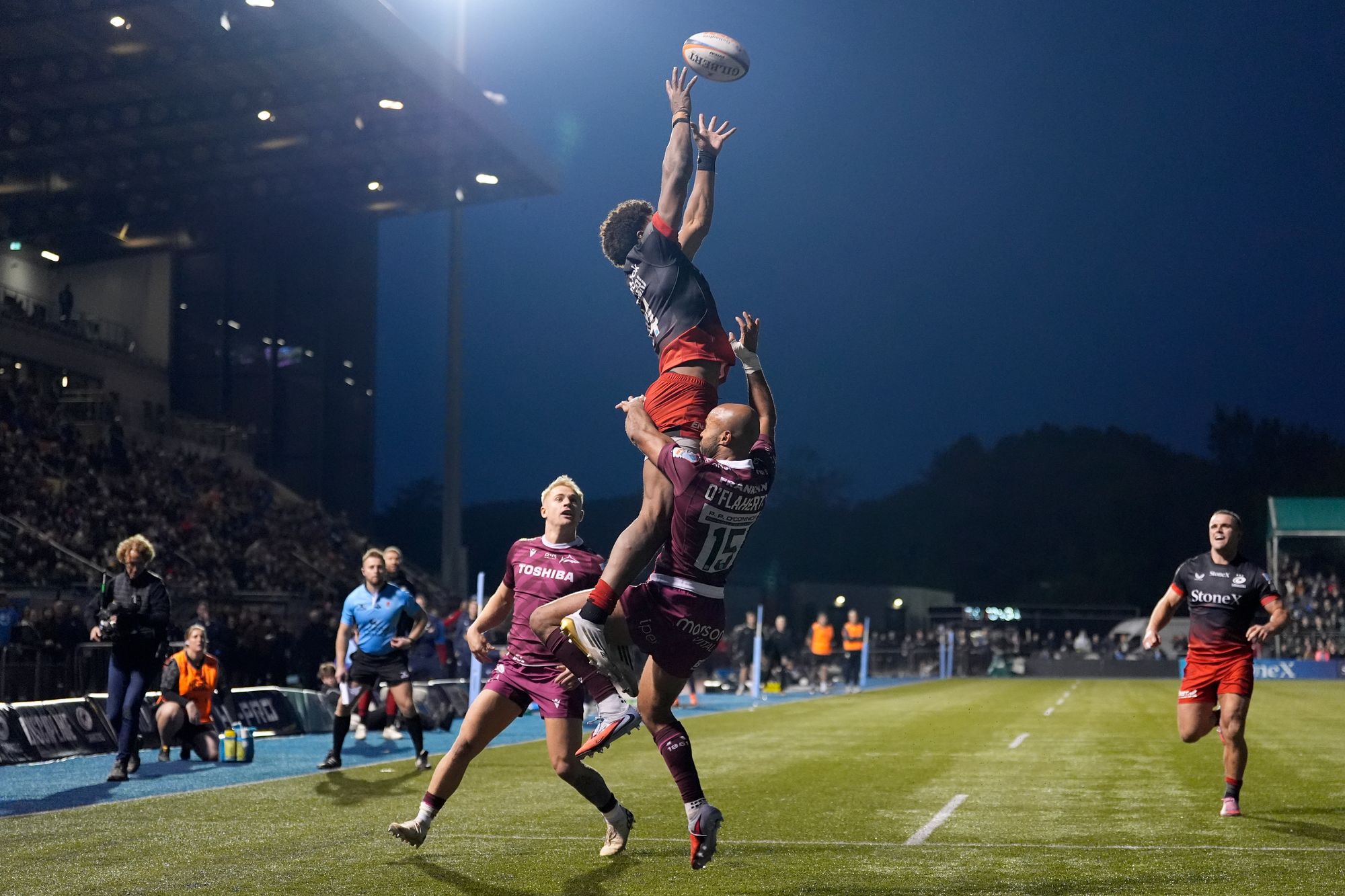
Noah Caluori, the 19-year-old Saracens wing, is already pushing for senior involvement and has made no secret of his sky-high ambitions. "Long term, I would like to be England's best-ever winger,” he declares. But he also has a mature sense of the role social media can play as a force for good - both for himself, and the game.
“Growing up, you see more rugby, young people making edits of their favourite players, spreading the game to a lot of different groups,” Caluori says. “My friends back home who have never played rugby are seeing they have seen this and want to watch a rugby game now. I feel that is important to grow the game and it is growing.”
Not all players are minded in this way. For every Pollock, there is the less extravagant Guy Pepper, who has made no less an impressive start to his Test career. The pair are roommates in England camp and good friends. Walking the walk is crucial, too: The Independent also knows of at least one young player who has spent time in England camp recently, and may still become a real star internationally, who did not necessarily back-up his words with actions.
Pollock’s antics have seemed to rile, or even inspire, certain oppositions, including Bordeaux Begles in the Champions Cup final. “You’ve got to win,” England flanker Tom Curry said to The Sports Agents podcast last May when asked about those who more demonstratively show personality on the pitch. “And if you do that stuff and don’t win, then that’s ultimately what it comes down to.”
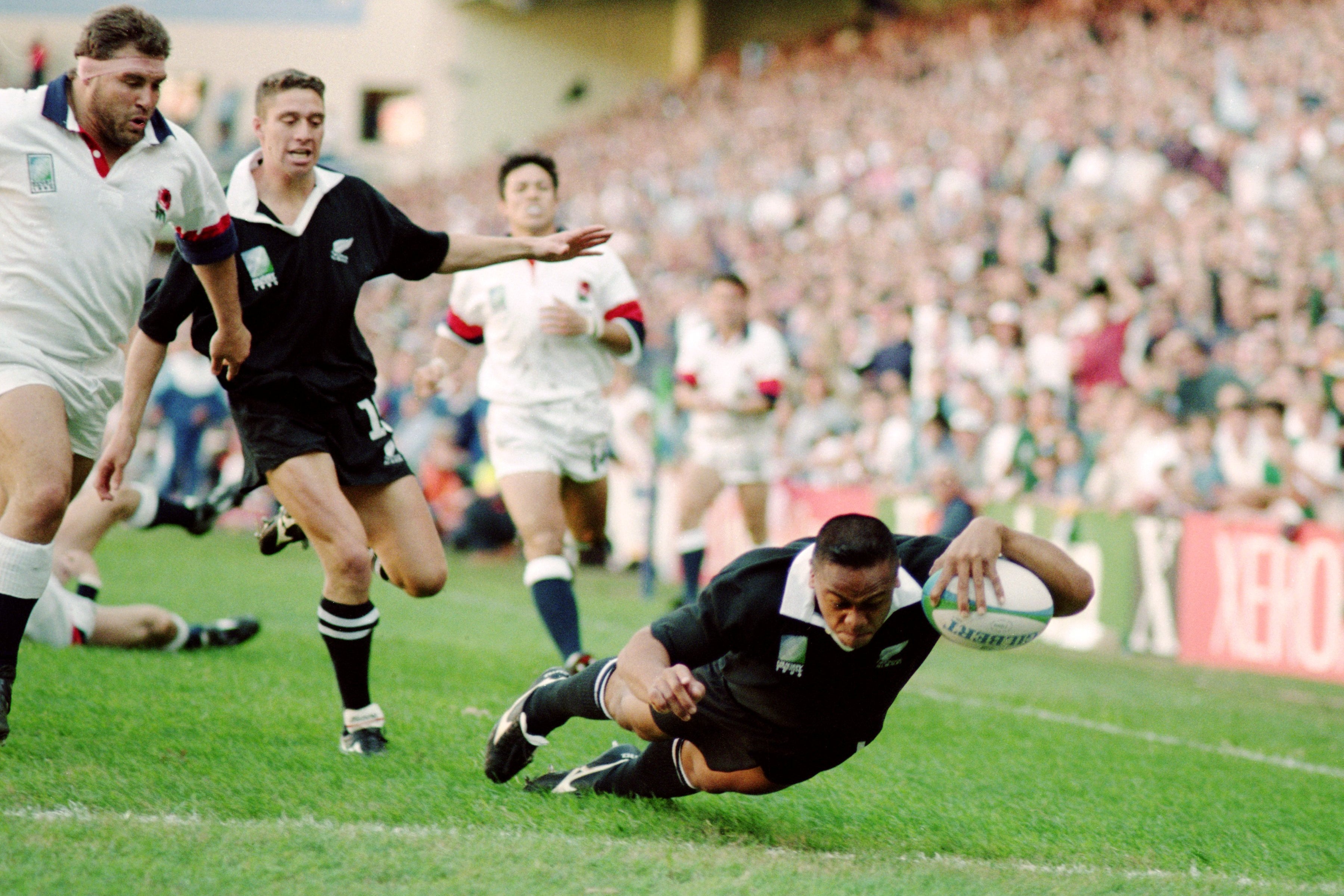
Rugby has long grappled with its capacity to generate superstars of the type seen in other sports. As perhaps the ultimate team game, even moments of individual brilliance tend to be on the back of the work of the collective – from 1 to 23, each player would argue they have an equal role to play. Even the late, great Jonah Lomu, a force so strong that he purportedly compelled Rupert Murdoch to invest in the sport after his 1995 Rugby World Cup semi-final exploits, was effectively marked out of the final by South Africa a week later. It is perhaps peculiar, too, that a quiet character Lomu remains maybe the biggest star rugby has produced; indeed Jonny Wilkinson, catapulted into international attention after 2003, struggled somewhat with the spotlight.
Perhaps, though, the social media age offers alternative routes to superstardom – even if a culture remains king. “This is a team sport,” Borthwick concludes. “We want superstars who play in a team, and always put the team first. It’s often painted that individual attention is detrimental to the team. We want both. We want superstars, and we want a team that is connected. If they want to keep putting TikTok dances out, then they can.”
Settled squad reveals the truth about England’s Six Nations chances
Steve Borthwick targets title tilt after revealing England’s Six Nations squad
England’s Steve Borthwick says superstars must embrace the team ethic
Settled squad reveals the truth about England’s Six Nations chances
Steve Borthwick targets title tilt after revealing England’s Six Nations squad