It may not have been pretty – effective often isn’t – but England showed in Cardiff that they learn their lessons and can stick to a game plan. They also put down a considerable marker for the remainder of the Six Nations, where they now have three games at Twickenham, and beyond.
When England and Wales next meet the challenge will be just the same: “We’re coming after you. Our front five or front eight against your pack. Our power, our fitness against yours.”
Wales are at their happiest when sides pass out into midfield where the combination of defensive line‑speed and disciplined approach at the breakdown (not throwing in too many, possibly only two) either drive attacks backwards or result in the turnovers on which their backs feed.
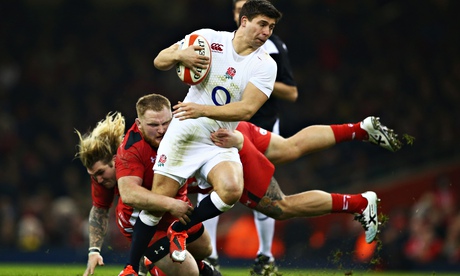
England did none of that. There was no orthodox passing down the line. Instead, they attacked the fringes forcing the Wales forwards into an attritional dogfight. Again and again the same white shirts hammered at the same red shirts. Add Ben Youngs’ running game and the misery was complete. Wider out, the Welsh had nothing to feed on while their forwards were losing both their legs and the battle.
In turn, this played out in the scrum where Wales were already under the cosh (until Stuart Lancaster swapped two-thirds of his front row; we’ll come to that) and in the lineout where they could hardly win a thing in the second half. Heavy legged, the home forwards became prey to a side who showed they had learned the lessons of two years ago as well as the early part of their autumn.
The move Jonathan Joseph finished off contained 20 phases and showed considerable maturity. There were times when it could have broken down – when Jonny May looked dangerously close to being driven out for instance – but there was no panic. Youngs just kept feeding his ball carriers and they battered away until Joseph found a way over.
The Bath centre would not have played but for injuries and his selection turned out key once England decided how they wanted to play the game. Joseph is not the kind of physical centre who would relish a constant diet of midfield ball if it meant Jamie Roberts, Jonathan Davies and the Wales back row were around his neck all evening. But he does have the magic and footwork to unpick defences, which is what he did, first standing up Dan Biggar and then shrugging off the tackles of George North and Rhys Webb.
By then England were in charge and so far away from where they were after the opening nine minutes. Then, 10 points down, there were echoes of 2013. The difference was that this time England refused to go off script and instead gradually worked themselves into the game before starting to impose their patterns and purpose.
It took until four minutes from half-time that George Ford lifted his nose from the page, chipping short, rather than putting up yet another high ball or looking for territory. However, by then his chasers had denied all bar Leigh Halfpenny the scope to run the ball back and, in turn, Anthony Watson and Mike Brown were not only solid under the high ball but clever in manufacturing England’s first‑half try.
England were eight points down at the interval, but they were in the game. In the second half it was Youngs who dictated the tempo, emphasising the growing strength of England’s ball carriers and tacklers, particularly James Haskell.
The work the England flanker is doing with the Wasps skills coach, Brad Davis, particularly the choke tackle, is becoming increasingly evident. If anyone deserved a try it was Haskell and quite how he ran into the post rather around it we will never know.
Likewise Dave Attwood, formidable again in the set piece and the maul, yet athletic enough to nick Welsh lineout ball on the wide left before going over on the right. Had Haskell or Attwood got their deserts – and there was more than a hint that the pre-match words about England blockers from Shaun Edwards had had some influence – the scoreline would have made the world sit up and take notice.
Possibly the only downside was the rigid policy of sending on rafts of replacements in regimented, time-ordained fashion. The arrival of Tom Youngs and Mako Vunipola hardly helped the scrum while Ben Youngs appeared at the height of his powers when pulled off.
But that is small beer compared with the problems Wales – and Australia – have. Warren Gatland now has to work out how to play when denied possession from first phase, turnover ball or aimless kicks that don’t ask questions of their back three.