Grocery aisles look calm, but the numbers behind the shelves move constantly. Dynamic pricing, once limited to airlines and hotels, now shapes what shoppers pay for basics like bread, meat, and toiletries. The problem is simple: you and the person beside you can look at the same item and get two entirely different prices. No warning. No explanation. Just a shift in the algorithm. That matters because it changes how we budget, how stores compete, and how unpredictable a basic grocery run can feel.
Dynamic pricing builds a world where stability disappears. And once you notice it, you see it everywhere.
1. Prices Shift Based on Time of Day
Dynamic pricing often reacts to demand patterns. Early shoppers may see one price, while anyone arriving after work faces a higher one. It happens quietly—no flashing sign, no note on the tag. The digital label under the item simply adjusts, even if you watched it stay still for months.
Some stores raise prices during peak hours. Others drop them late at night to move inventory. The same gallon of milk can cost more at 6 p.m. than it did at noon. The change isn’t random. It’s a calculation designed to catch the times when more people feel rushed, hungry, or too tired to shop around.
2. Loyalty Apps Can Work Against You
Many shoppers expect loyalty apps to save money. Sometimes they do. But dynamic pricing can use those same accounts to charge individualized prices, tailoring costs to what you buy, how often you visit, or how quickly you respond to a sale.
That means two customers scanning the same digital coupon might still pay different totals. One might receive a discount because the system senses hesitation. The other might get no break because they’ve proven they’ll buy the item anyway. It’s dynamic pricing dressed up as personalization. And it becomes almost impossible to track.
3. Your ZIP Code Influences the Price
Some retailers rely on dynamic pricing to reflect local shopping behavior. Stores in wealthier ZIP codes may show higher numbers. Neighborhoods with heavy foot traffic might see prices spike on weekends. Even stores from the same chain, just miles apart, can hold dramatically different totals for identical items.
This ZIP-based model uses data about income levels, store competition, and average cart size. It rewards convenience with a price penalty. Shoppers in underserved areas, where alternatives are limited, often feel it the most.
4. Digital Shelf Labels Change Everything
Electronic shelf labels let stores update prices across hundreds of items with a single command. That convenience accelerates dynamic pricing because it removes the physical labor of replacing stickers. One update sends new prices to every aisle in seconds.
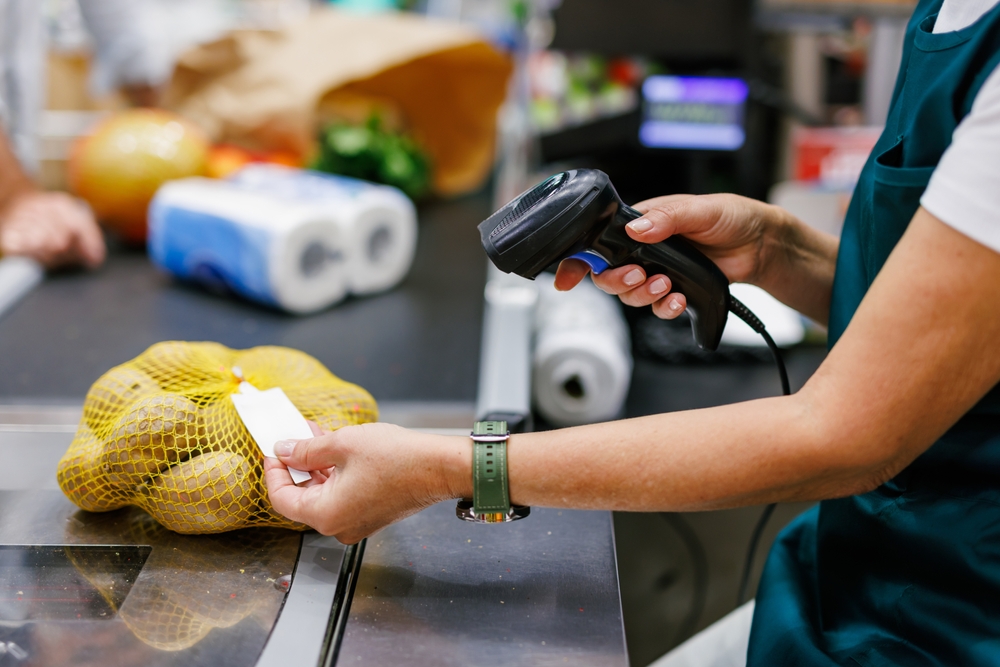
That speed transforms a routine shopping trip. You may compare items, choose one, and head to checkout—only to see the number shift between selecting the item and scanning it. It’s still the same bag of apples. But the price lives on a system that changes without notice.
5. Stock Levels Trigger Automatic Price Swings
When a product runs low, dynamic pricing may push costs higher to stretch supply. When a product overflows the backroom, the price may drop to clear shelf space. These swings happen even when the market outside the store stays stable.
Clearance sections reveal this pattern. A slow-selling item might take weeks to drop a few cents. Then the moment inventory reaches a tipping point, the price plummets. On the other hand, high-demand items like eggs, butter, or cereal can jump in cost after a single surge in purchases. The system responds instantly, even if shoppers don’t.
6. Weather and Events Influence Grocery Prices
Dynamic pricing reacts to big events—holiday rushes, storms, sports weekends, festival crowds. A heat wave can nudge up the cost of bottled water. A snowstorm forecast can bump up the price of soup or produce. Algorithms track these patterns and adjust accordingly.
It feels cold, almost mechanical, but that’s the intention. The system watches behavior, predicts demand spikes, and shifts prices before shoppers arrive. Two people walking into the same store during a weather alert might see costs that climbed only minutes earlier.
7. Online and In-Store Prices Don’t Match
Retailers treat online and in-store shopping as two different environments. Dynamic pricing lets them charge separate amounts for the same item. Online, prices may rise based on website traffic or location data. In-store, prices may shift based on foot traffic and shelf conditions.
It creates confusion. A shopper checks a price online, heads to the store, and finds a higher tag. Another orders online, sees shipping demand spike, and watches the total climb before hitting checkout. The separation gives retailers more room to adjust numbers without scrutiny.
What Shoppers Can Do Right Now
Dynamic pricing won’t disappear. But awareness helps blunt its impact. Check prices twice—once on the shelf and again at checkout. Take photos if you see a mismatch. Compare nearby stores. Watch for sudden jumps tied to time, weather, or events. Small steps create a record, and records matter when systems shift without warning.
Have you spotted dynamic pricing at your local store, and what changed your shopping habits most?
What to Read Next…
- Retailers Surveillance Pricing Personalized Deals Or Price Discrimination
- Why Your Grocery Stores Loyalty Program Is Secretly Costing You Money
- Price Matching Isn’t About You Its About Data Collection
- Retailers Are Secretly Raising Prices Before Discounting Them Here’s Proof
- Why Some Stores Are Getting Rid Of Coupons And What It Means For You
The post How “Dynamic Pricing” Means You May Pay More Than the Person Beside You appeared first on Grocery Coupon Guide.