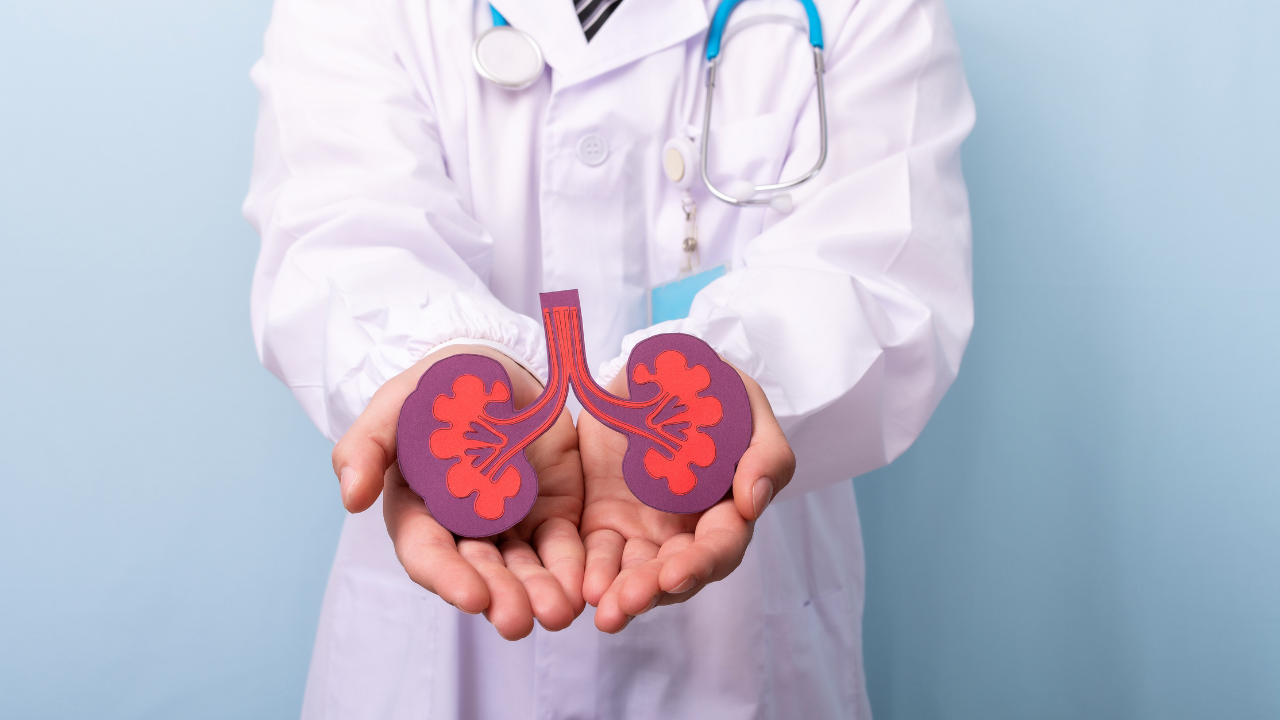
The rainy season is easily one of the most awaited times. However, if proper caution and precautions are not maintained, it can cause various health problems, including those impacting a person's long-term health and well-being. Kidney problems increase dramatically during the monsoon season, and some of the common ones include the following:
ACUTE KIDNEY INJURY (AKI)
Dr. Atul Ingale, Director-Nephrology & Consultant-Transplant Physician, Hiranandani Hospital Vashi – A Fortis Network Hospital says, “A sudden decline in Kidney function; various factors, including infections, dehydration, and poisoning, can cause AKI. This condition is more common during the monsoon season, as people are more likely to be exposed to contaminated water and food. Some symptoms of AKI include fatigue, diarrhoea, dehydration, and drowsiness.”
LEPTOSPIROSIS
A bacterial infection, Leptospirosis generally spreads through contact with contaminated water or soil. This bacterium can then enter the body through cuts or abrasions in the skin, eyes, nose, or mouth. Some symptoms of Leptospirosis include fever, headache, muscle aches, and vomiting. In some cases, Leptospirosis can lead to Kidney failure.
DENGUE
A mosquito-borne viral infection, Dengue causes many symptoms, including fever, headache, muscle aches, and rash. Although most Dengue cases can be treated at home with medications, in some cases, Dengue can lead to severe complications, such as Dengue Hemorrhagic Fever, which can damage the Kidneys.
TYPHOID
According to Dr. Ingale, “A bacterial infection that can be spread through contaminated food or water. Typhoid bacteria can spread through the bloodstream, making it highly dangerous and fatal. The bacterium Salmonella Typhi is the bacteria that causes Typhoid, which has a range of symptoms, including fever, headache, muscle aches, and fatigue. In some cases, Typhoid can lead to Kidney failure.”
“It is important to note that not everyone who contracts a monsoon disease will experience Kidney problems. However, people with underlying Kidney disease have a vulnerable immunity system which puts them at a higher risk of developing Kidney problems if they contract any of the above monsoon diseases,”says Dr. Ingale.
What are some monsoon diseases that can raise a risk of CKD
Diarrhea
Diarrhea can cause dehydration, which can be dangerous for people with CKD. This condition can make it difficult for a person to absorb nutrients, further damaging the Kidneys.
Malaria
is a mosquito-borne disease that can cause fever, chills, and other symptoms. It can also damage the Kidneys, especially in people with CKD.
Typhoid
A bacterial infection, some symptoms of Typhoid fever are fever, headache, nausea, weakness, and stomach pain. It can also damage the Kidneys, especially in people with CKD.
Hepatitis A
According to Dr. Ingale, “A viral infection, Hepatitis A can cause Liver damage. This can be especially dangerous for people with CKD, as their Kidneys may not be able to filter out the toxins released from the damaged Liver.”
Hepatitis B
A viral infection, Hepatitis B can also cause Liver damage. Like hepatitis A, this can be especially dangerous for people with CKD.
Tips to prevent kidney damage during the monsoon season
If you are experiencing any symptoms of a monsoon disease, it is essential to see a doctor immediately. Remember that early diagnosis and treatment can help to prevent serious complications, including kidney failure. Some other tips help to protect your kidneys during this season include:
Drinking plenty of fluids will go a long way to prevent dehydration
Avoid swimming in or drinking from stagnant water
Wash your hands frequently with soap & water
Using insect repellent helps to protect against mosquito bites, which can transmit Malaria and other diseases
Cooking food thoroughly is highly recommended as it is an effective method to kill any harmful bacteria that may be present
Avoid coming in contact with sick people
If you are taking medications, make sure to take them as directed
Getting vaccinated can help protect you from these diseases
“If you have any form of Kidney disease, whether AKD or CKD, keep an eye out for any of the above symptoms and seek help from a specialist if you develop any of them. If ignored, these symptoms can quickly become a severe infection, and early treatment is essential to prevent further Kidney damage, advised Dr. Ingale.