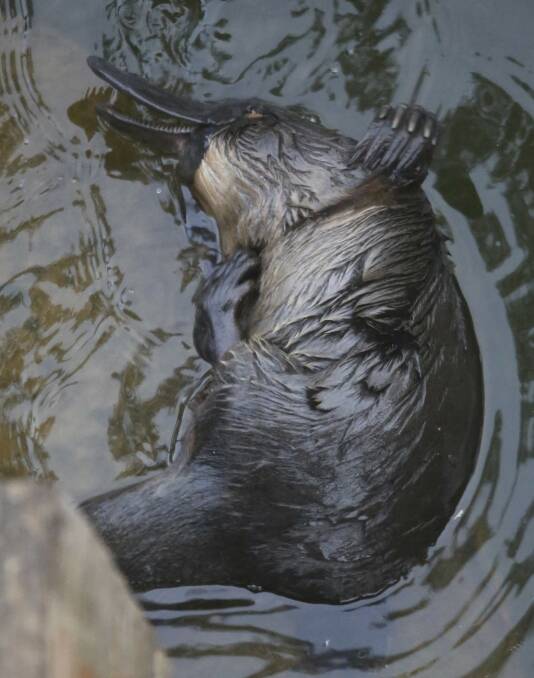
A research paper by Australian Platypus Conservancy biologists (published by Australian Mammalogy in April) has confirmed that platypus can suffer horrific injuries and potentially die after becoming entangled in rubbish.
Based on three decades of fieldwork, the study found that, on average, 4 per cent of the platypus encountered in live-trapping surveys in Greater Melbourne - or one in every 25 animals - was found to be encircled by rubbish. In some urban streams the problem was particularly horrendous, with more than a third of the known individuals in the population entangled at least once in their life.
Items measured 10cm to 24cm in circumference and comprised a depressingly broad range of products: fishing line, plastic cable-ties, a rubber bottling seal, plastic bracelets, elastic hair-ties, a hospital identification wrist-band, a six-pack holder, engine gaskets, sealing rings from food jars, a bicycle headlamp rim, a knotted piece of twine, and various synthetic loops or bands.
The average frequency of platypus litter entanglement was lower in rural areas (0.5 per cent) but included a higher proportion of very harmful materials such as fishing line.
Entanglement risk was also found to vary with platypus size and age: significantly more juveniles were entangled as compared to adults, and more adult females were victims as compared to adult males.
Because platypus mainly feed on bottom-dwelling invertebrates, they are often active in places where man-made debris tends to accumulate.
A platypus also finds it difficult to remove encircling loops or rings from its neck or body because its webbed front feet - designed for efficient paddling - are hopeless at gripping or grabbing. Instead, a platypus grooms using its hind feet, which cannot pull a loop forward past the its head.
Entangling loops therefore tend to move back along the platypus's body until they fit too tightly to move back any farther - and then start cutting into the skin.
Pollution traps can be installed to intercept water-borne rubbish as it travels from stormwater drains to natural waterways. However, such traps are typically not designed to remove the relatively fine materials that entangle a platypus.
Furthermore, many harmful items enter waterways from sources other than stormwater, such as discarded fishing line or hair ties lost while swimming.
You can do your bit to address this problem by adopting two simple habits. Firstly, pick up items of litter - especially any materials that could potentially encircle a platypus's bill, neck or body - whether or not they're found near water. Secondly, cut through ALL metal, rubber or plastic rings or loops of any size (just to be on the safe side) before disposing of them responsibly.
The Fuzzy Logic Science Show is at 11am Sundays on 2xx 98.3FM.
Send your questions to AskFuzzy@Zoho.com, Twitter @FuzzyLogicSci, Podcast FuzzyLogicOn2xx.Podbean.com