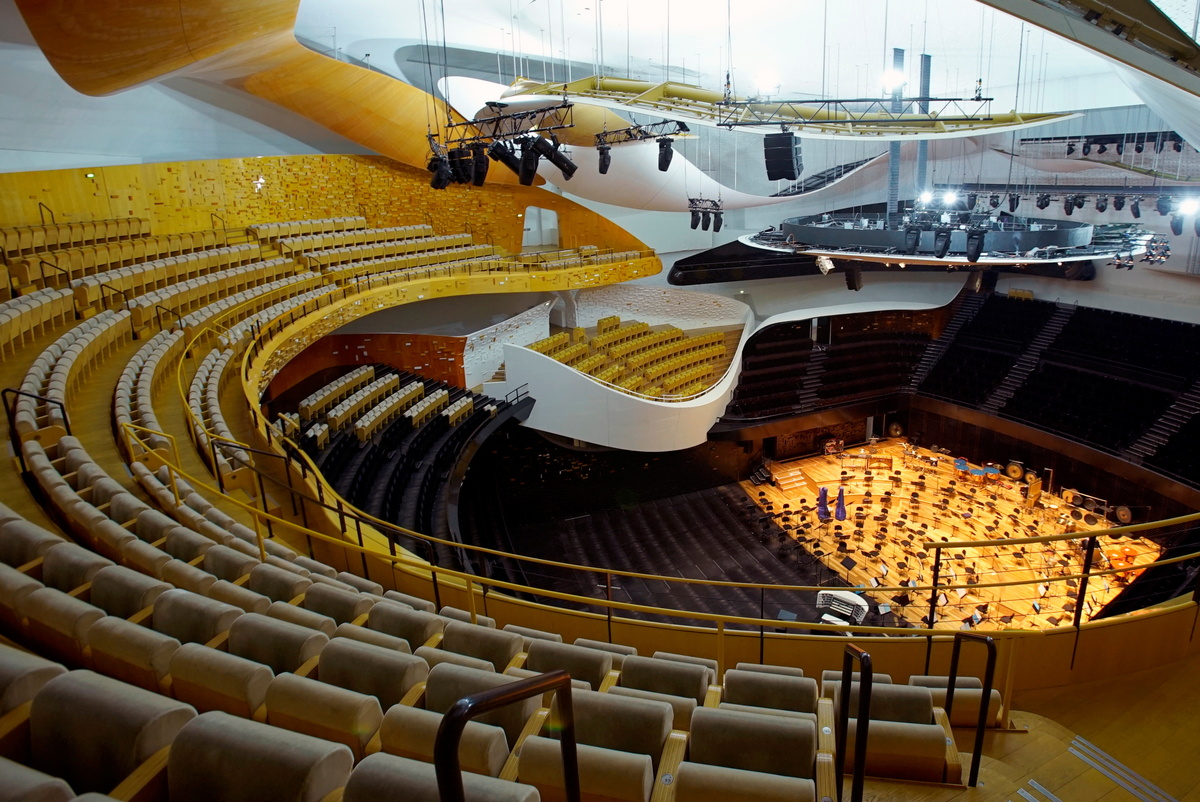
A scientific study into how COVID-19 could spread through the audience at a Paris concert hall has delivered a surprise: for that particular venue at least, the less ventilation there is, the better.
The study, by technology firm Dassault Systemes, used 3D modelling to simulate how airflows would move if there was a packed audience at the Philharmonie de Paris concert hall - currently shut along with the rest of France's performance spaces because of the pandemic.
The modelling showed that, if the power of the ventilation system in the 2,400-seat hall was turned down by 50%, the spread of droplets and airborne particles from an audience member coughing or sneezing was reduced. When combined with the audience wearing masks, the spread was lower still.
"People may think that by reducing the airflow you increase the risk of virus propagation," said senior Dassault Systemes executive Jacques Beltran. "In that room, it is the opposite."
The reason is that, because of the particular characteristics of the Paris concert hall, turning down the ventilation encourages potentially contaminated air to pool in empty spaces, for example staircases, before it is sucked out of the building, said Beltran.
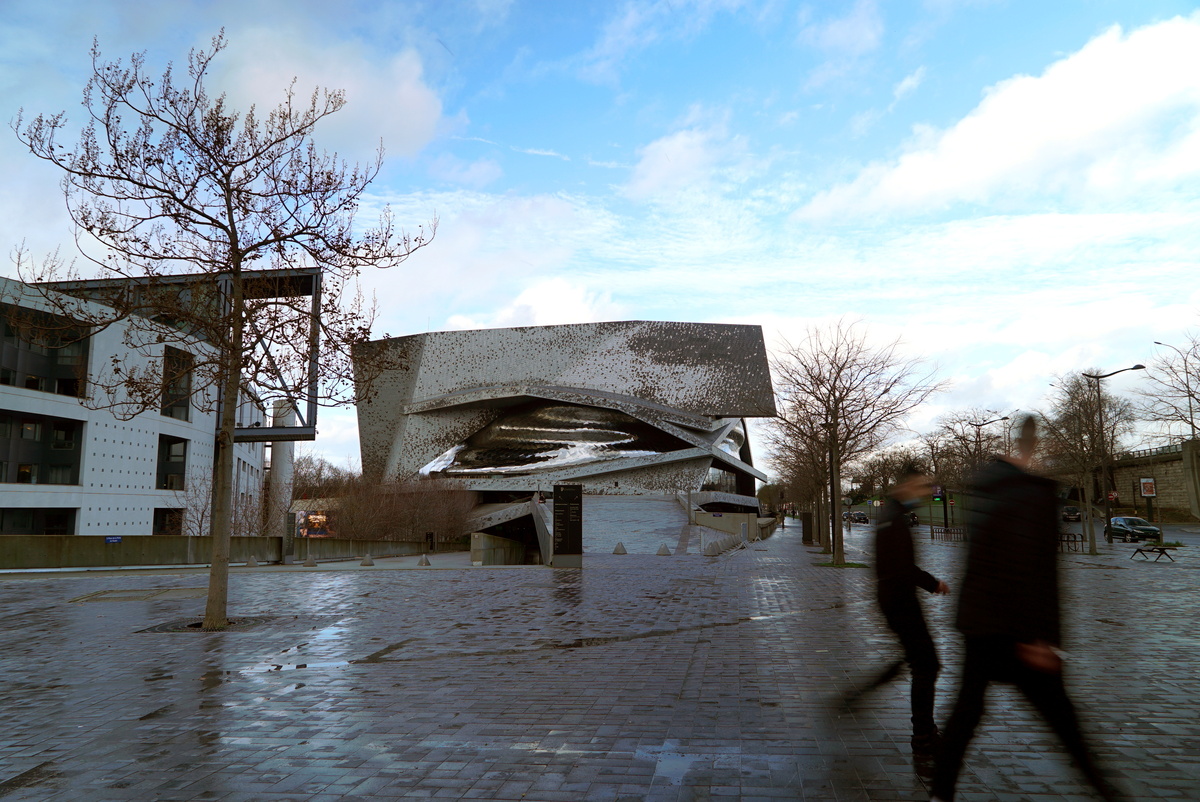
The conclusions about the Paris hall's ventilation system, which sees fresh air sucked in, then moved around the building before being expelled, the researchers said, cannot be applied to other venues, because each one has its own unique airflow.
But it does show that 3D modelling could provide a tool for cultural venues to make sure that, when they welcome audiences back again, they can do it in safety.
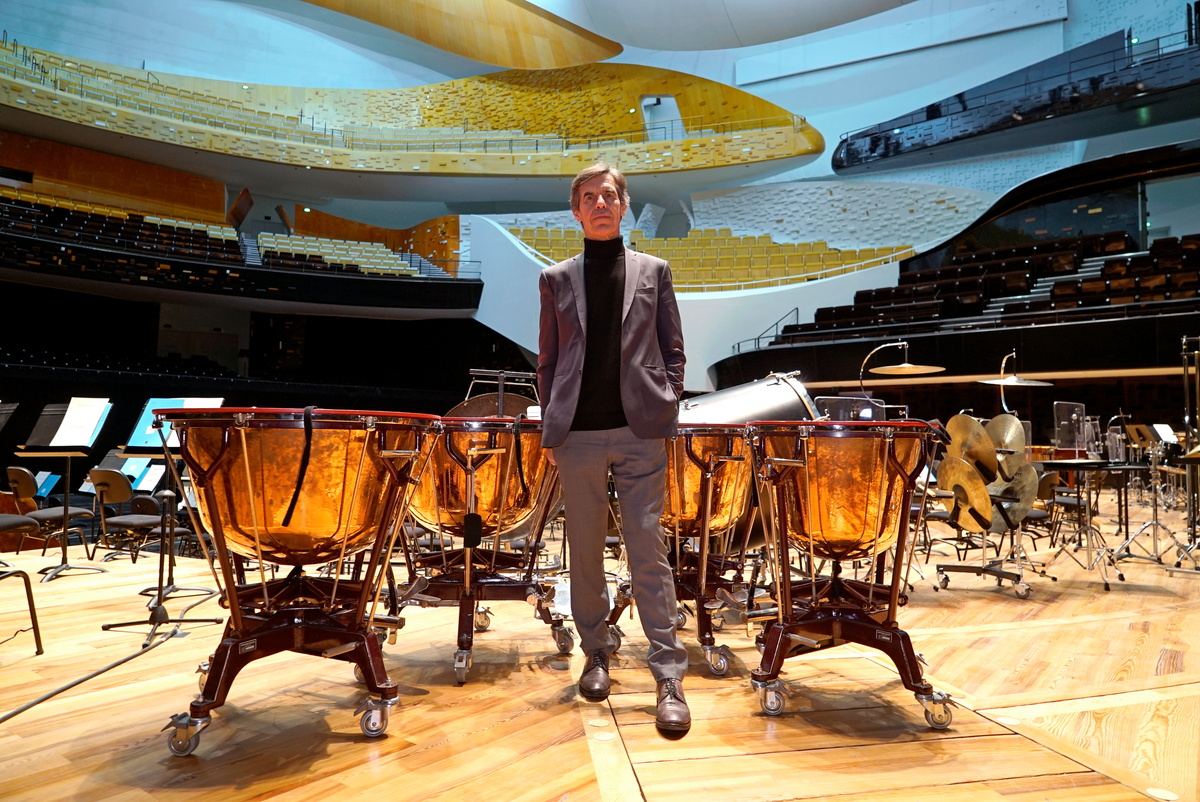
"We talk a lot about this question of whether it will be dangerous to have the public come to concert halls or museums," said Laurent Bayle, President of the Philharmonie de Paris.

Referring to studies like the one conducted on his concert hall, Bayle said: "This gives some keys, to think, to imagine about a return (to cultural events) that is a bit more stable, a bit more calm."
(Writing by Christian Lowe; Editing by Alexandra Hudson)