Boris Johnson has announced another national lockdown for England in response to the rapid spread of coronavirus infections.
This is the third time the whole country has gone under harsh restrictions within a year, although there have been differences between lockdowns.
What are the rules of the new lockdown, and how do they compare with previous ones?
Leaving the house
As in the first lockdown, people are instructed to only leave their house for essential purposes such as food shopping or to provide care to another person.
Non-essential retail has been closed as have entertainment venues.
Travelling to and from work is permitted, but only when absolutely necessary and only if work cannot be done from home (even the wording of the prime minister’s announcement was the same for this one).
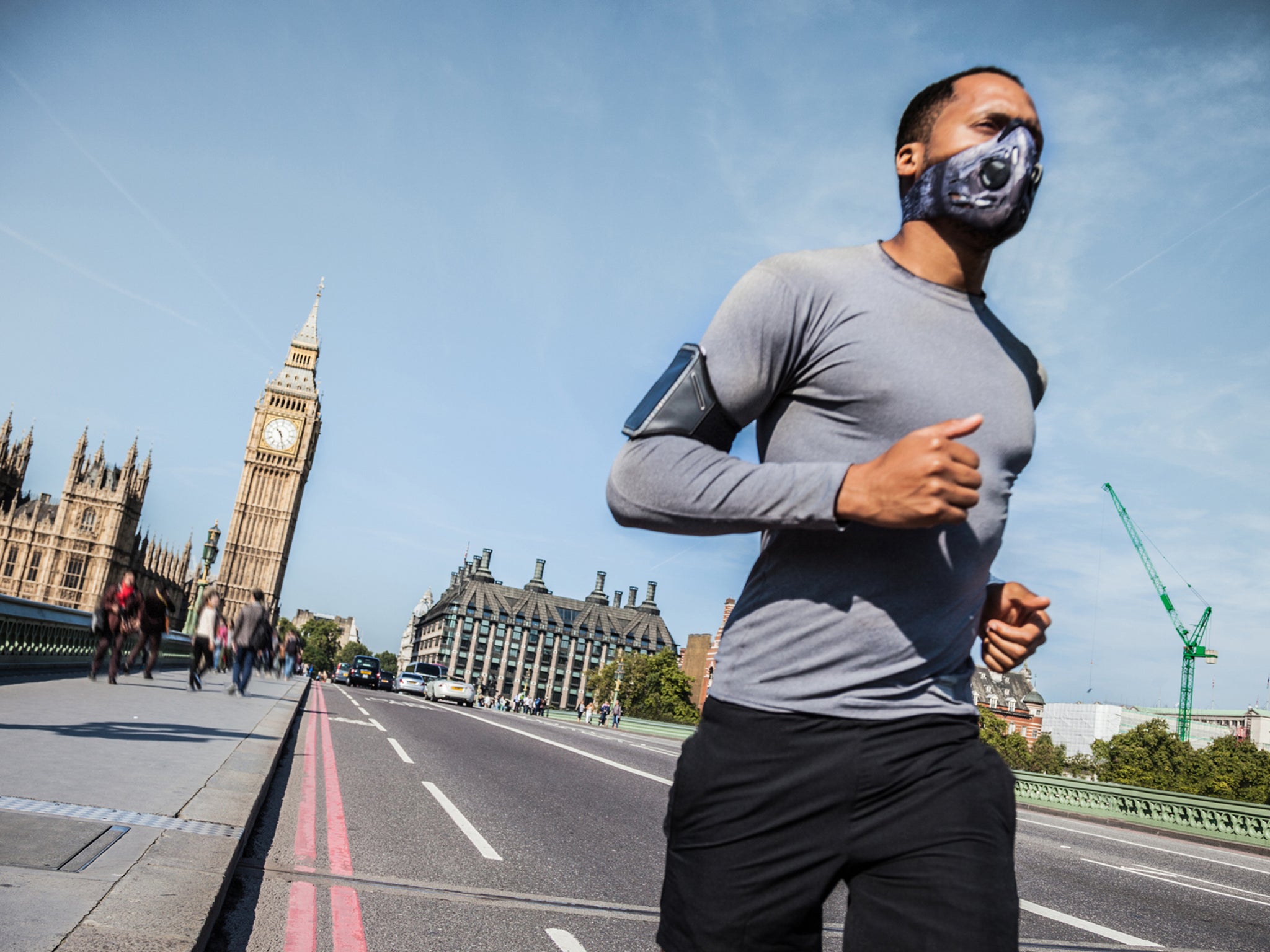
Outdoor exercise is permitted and individuals can meet with one person from another household. The meeting must be in an outdoor public space and cannot be for recreational or leisure reasons. In the first lockdown, exercise had only been permitted alone or with members of the same household.
Schools
Like last Spring, schools will be closed to all but vulnerable children and those of key workers.
Universities will not reopen for most face-to-face teaching and students should not return. Instead they should continue their studies from their homes.
In England's second lockdown in November, schools were allowed to remain open.
Length of lockdown
The prime minister first said the new measures will last until at least mid-February, although Michael Gove later said they will last until March.
Mr Johnson initially set a three-week review period for the original lockdown measures in March before extending them.
In November, the restrictions ended when scheduled on 2 December.
Support bubbles
There have been no changes to the rules on support and childcare bubbles, meaning they can stay in place. This differs from last spring when support bubbles had not been established.
Shielding
The extremely clinically vulnerable who were previously told to shield are advised to stay at home and only leave for medical appointments and exercise.
This is similar to the advice in November.
The new measures are slightly relaxed from last spring, when shielding patients were told to stay at home at all times and medical appointments were advised to be done at home.
Weddings and funerals
As in earlier lockdowns, weddings are not permitted save for in exceptional circumstances, and will then be limited to six guests.
Funerals are permitted with a maximum attendance of 30.
Places of worship
Unlike last spring and November, places of worship can remain open for prayer and services and for ceremonies such as weddings or funerals.
In the previous lockdowns, places of worship had to close apart from for funerals or to record a service for broadcast.