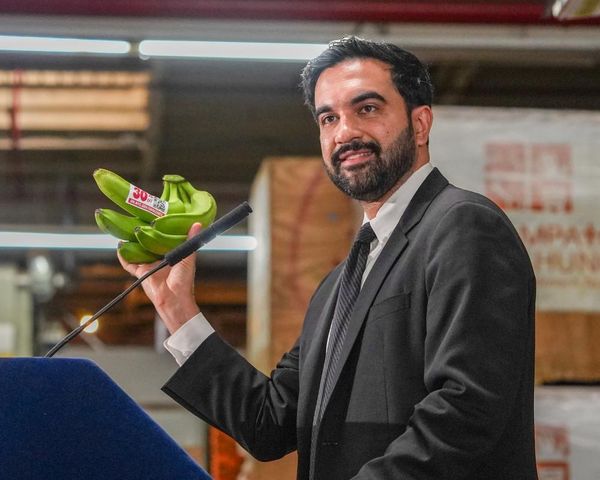
Matthew James Sullivan, a decorated US Air Force veteran who had agreed to testify before Congress about alleged secret government UFO programmes, died at his home in Falls Church, Virginia, on 12 May 2024 from an accidental drug overdose, according to the local medical examiner. Sullivan, 39, was said by associates to be preparing explosive evidence on so‑called 'legacy' UFO operations when he was found dead.
Sullivan's death came months before a planned congressional hearing in November 2024 examining long‑rumoured crash retrieval efforts and other classified UFO work inside the US government. Interest in alleged whistleblowers has surged since 2023, when former intelligence official David Grusch told lawmakers the United States was in possession of unidentified craft and 'non-human biologics' testimony that jolted UFO discussion from fringe territory into formal oversight hearings.
According to the Northern District Office of the Chief Medical Examiner in Virginia, Sullivan died after ingesting a lethal combination of alcohol, alprazolam, cyclobenzaprine and imipramine. Alprazolam is the generic form of the anti‑anxiety drug Xanax, cyclobenzaprine is a central nervous system muscle relaxant, and imipramine is often prescribed to children for anxiety and bedwetting. The manner of death was ruled accidental.
That official finding has not settled nerves in Washington. In a letter dated 16 April and obtained by the New York Post, Republican congressman Eric Burlison described the 'sudden and suspicious circumstances' of Sullivan's death as 'of grave concern' and said he had referred the case to the FBI because of its 'implications for national security.' Burlison wrote that the 'manner and circumstances of his death raise substantial questions, as he was preparing to provide testimony to Congress.'
Would-be UFO whistleblower died of accidental drug overdose after agreeing to testify to Congress https://t.co/loNAU9QE9F pic.twitter.com/iO1mUtnMLP
— New York Post (@nypost) April 25, 2026
Questions Over How Sullivan Died
The main facts of how Sullivan died are not in dispute: a fatal mix of prescribed drugs and alcohol in a private residence, examined by a local medical examiner and categorised as an accidental overdose. What is contested is what, if anything, that says about the wider world in which he was operating.
Posts claim Sullivan was involved in what insiders call a 'legacy UFO programme,' describing it as a crash-retrieval operation that has allegedly existed across multiple executive branch agencies for decades. Sullivan had reportedly seen UFOs in US government possession and intended to speak about them under oath at a hearing in November 2024.
None of those alleged programmes has been publicly confirmed. No documents verifying Sullivan's claimed access have been released. The idea that his death is linked to his planned testimony therefore remains unproven.
Still, the FBI has acknowledged it is examining a broader pattern. In a statement quoted by the Post, the bureau did not directly address Sullivan's case but said it was 'spearheading the effort to look for connections into the missing and deceased scientists' and was working with the Department of Energy, the Department of War and state and local law enforcement 'to find answers.' Whether Sullivan falls formally within that review has not been clarified.
UFO Whistleblower Role Deepens Mystery
What makes the death of Sullivan so charged is less the toxicology report and more his CV. An obituary records that he served in Operation Enduring Freedom and received the Bronze Star for valour, one of the US military's highest awards for bravery in combat. After his deployment, he moved into the intelligence world, working for the Air Force Intelligence Agency, the National Air and Space Intelligence Center and the National Security Agency.
At his funeral, retired Major General David Abba, who previously directed special programmes and then headed the Pentagon's Special Access Program Central Office, framed Sullivan's burden starkly. He said Sullivan carried 'the burden that a select few in this nation have of truly understanding what's going on.' Coming from a former guardian of some of the US government's most tightly held secrets, that line has been seized on by those who believe UFO crash retrieval efforts are real, sprawling and dangerous to expose.
Matthew James Sullivan, 39, an Air Force veteran who agreed to testify before Congress on alleged secret UFO programs, died of an accidental drug overdose before the hearings. pic.twitter.com/H2cp1VOxPQ
— non aesthetic things (@PicturesFoIder) April 25, 2026
The anxiety is not confined to Sullivan's circle. Grusch, whose 2023 testimony helped force Congress to take UFO claims more seriously, wrote to the Intelligence Community Inspector General (IC OIG) in May 2022 alleging he faced harsh reprisals after internally reporting evidence of UFOs. He later said he had received credible death threats prior to going public. A version of Grusch's letter sent to the IC OIG also referenced Sullivan's death, according to the Post.
Pressed on whether it was examining that material, the IC OIG gave a familiar response: 'IC OIG can neither confirm or deny the existence of any ongoing or potential investigations.' The answer adheres to classification rules but does little to ease suspicions among those who see a pattern in early deaths, missing scientists and long-denied crash-retrieval stories.
On one side is an official ruling of accidental overdose in Sullivan's case. On the other is an expanding constellation of unanswered questions about what he knew, what he intended to say and whether those who step forward on UFOs can rely on the institutions they once served to keep them alive long enough to speak.