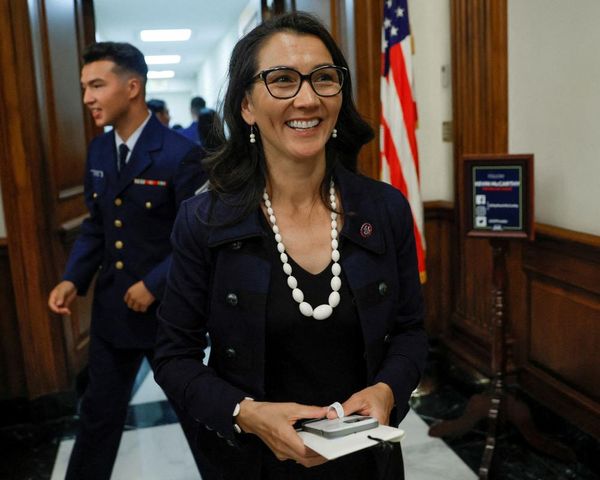
Following his victory in the Makerfield by-election last month, Andy Burnham is now widely expected to take over as Britain’s new prime minister in the coming weeks. While he has talked up his plans to change Britain for the better, promising “good growth in every postcode and hope in every heart”, the political landscape that awaits him will not be an easy one to navigate.
The public finances are tight, Labour is lagging in the polls as people become increasingly frustrated with mainstream parties and the cost of living crisis is biting.
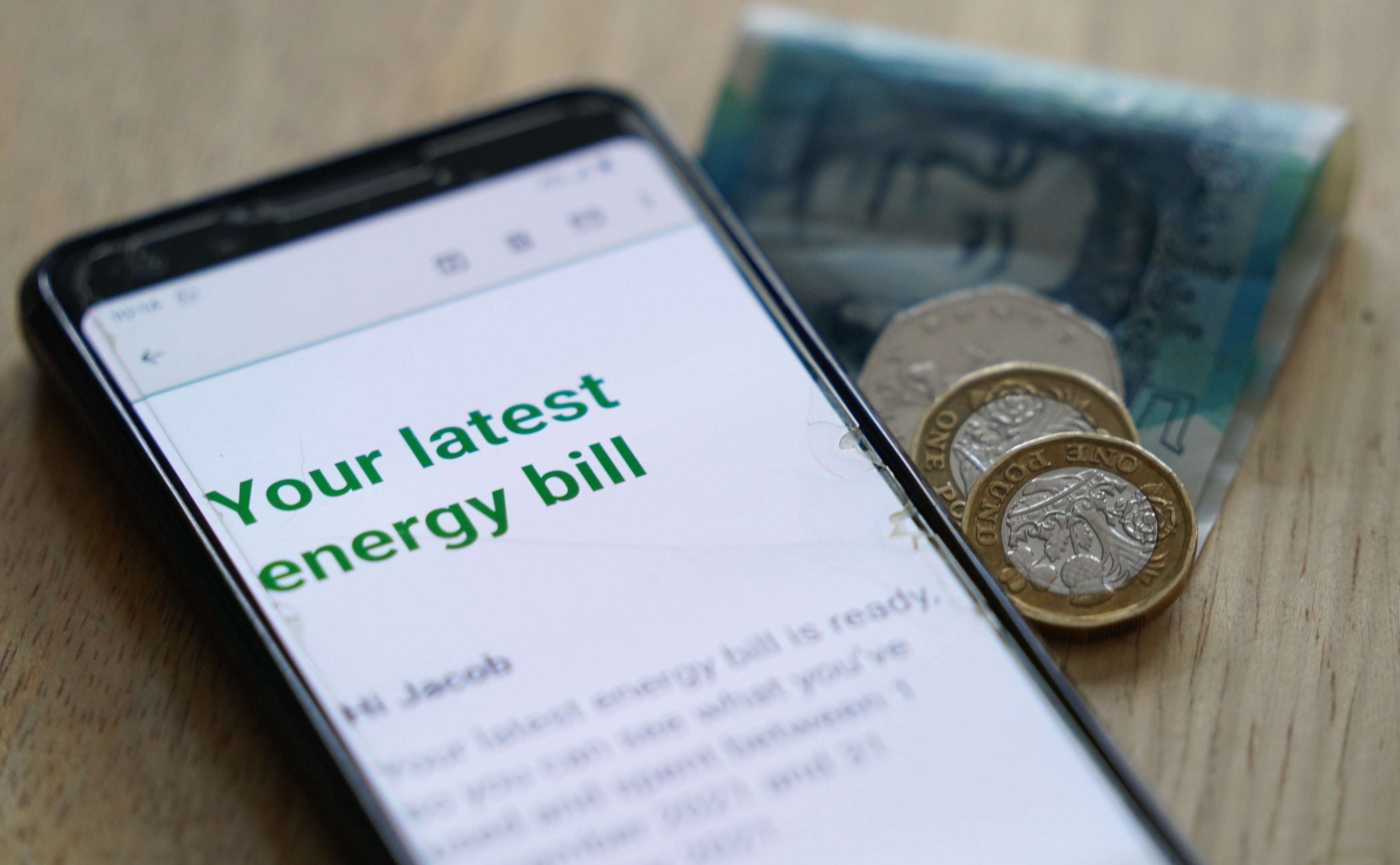
One thing that Mr Burnham will need to get a grip on when he enters office - just weeks before temperatures start getting colder as we head into Autumn and Winter - is the soaring cost of energy. The war in Iran has sent prices spiralling, and with limited funds available in the public purse, his options are finite.
Here, The Independent takes a look at some of the options available to the new MP for Makerfield.
North Sea drilling
There have long been calls to ramp up North Sea drilling amid growing concern over the price of energy, with many suggesting that doing so would cut bills. However, increasing North Sea drilling alone would not do so. Oil and gas are sold by private companies at prices set by the international market, rather than being discounted for British consumers. Nonetheless, Labour’s political opponents are still campaigning for it.
Tory leader Kemi Badenoch earlier this year set out a plan to “get Britain drilling” by opening new oil and gasfields in the North Sea. She has claimed that increased tax revenue from oil and gas extraction, plus the removal of VAT on bills, and some smaller adjustments, would deliver £200 cuts to household energy bills.
While this is something Mr Burnham could consider, a study published last month by the Smith School at the University of Oxford found that households would only see their bills falls by about £16 per year if North Sea drilling was maximised, tax revenues were redistributed and the windfall tax on energy companies was removed.
Policy costs
One route Andy Burnham could go down to cut energy bills would be to transfer so-called “policy costs” off people’s energy bills. These are costs associated with the transition from fossil fuels to cleaner energy. The money that is being used to fund these initiatives was initially passed onto consumers via their energy bills, but earlier this year - as part of an attempt to bring down spiralling bills by around £150 per households - the government trasnferred a portion of these costs off energy bills and onto general taxation, something which is generally seen to be a more progressive way of paying for it.
However, some of these costs still remain. If he wanted households to immediately feel some relief on their energy bills, transferring more of these costs off bills and onto general taxation would be one way of going about it.
Clean power
This is one of the key priorities of Sir Keir Starmer’s government. Investing in cheaper, homegrown energy sources like wind and solar power would minimise costs for households and reduce reliance on the volatile fossil fuel market which is so starkly impacted by geopolitical events.
However, this will not slash bills overnight. The government is currently aiming for 95 per cent clean power by 2030 - meaning it will most likely take at least three years for any significant reduction in bills to be felt.
An improvement in the geopolitical landscape
Sir Keir Starmer felt the full economic shock of the war in the Middle East, sending energy bills spiralling and inflation soaring. However, if luck is on Mr Burnham’s side, energy bills could come down with minimal intervention if a lasting peace deal is agreed in the Middle East.
A less volatile landscape in the region would allow bills to continue falling and inflation to come back down, as the likelihood of supply disruptions and physical damage to energy infrastructure would all be reduced.
However, Cabinet minister Darren Jones earlier this year revealed that the government estimates that price hikes as a result of the Iran war will be felt for at least eight months after the conflict ends - meaning any reduction in bills is unlikely to be felt immediately.
The chief secretary to the prime minister warned people will see higher energy, food and flight prices for more than half a year after the war ends “as a consequence of what Donald Trump has done in the Middle East” and said there will be a “long tail from this”.