
From wearing your coat indoors to hugging a hot water bottle at your desk, getting your work done in a cold office is not for the faint-hearted.
Icy cold temperatures and blankets of snow have covered everything from roads to cars in many parts of the UK, resulting in school closures and ongoing travel disruptions this week.
Commuters have also been warned to expect further disruption this week after the Met Office extended four weather warnings of snow and ice across most of the UK.
But how cold does it have to be to be sent home from work?
Here’s everything you need to know:
How cold or hot is a workplace allowed to get?
You may be disappointed to learn that there is no specific law outlining the maximum or minimum temperature an office should exceed.
That said, the Workplace (Health, Safety and Welfare) Regulations 1992’ Approved Code of Practice state: “During working hours, the temperature in all workplaces inside buildings shall be reasonable.”
The guidelines explain that a workplace should be at least 16C and at least 13C if a person’s work involves “rigorous physical effort”.
According to a survey in 2015, 53 per cent of employees say they are less productive when working in an office that is too cold.
Meanwhile, 71 per cent say they are less productive when working in an office that is too warm.
The government regulations don’t specify a maximum temperature, however, as some employees work in hot workplaces. According to the guidelines, work can continue “if the necessary precautions are taken”.
What is “thermal comfort”?
According to the Advisory, Conciliation and Arbitration Service (ACAS), “thermal comfort” is the sensation of being too hot or too cold. Environmental factors can influence someone’s thermal comfort, which can include:
- Humidity and sources of heat in the workplace.
- Personal factors such as clothing.
- Physical demands of the work.
It’s important to note that air temperature alone is not an accurate indicator of “thermal comfort” and should be used with other environmental and personal factors.
What can you do if your workplace is too hot or cold?
ACAS guidelines advises employees to raise any temperature issues with their boss or HR department in the first instance.
Employers can assess whether an office is too cold by carrying out a Thermal Comfort Risk Assessment.
If your workplace temperature drops below what is deemed “reasonable”, you are required by law to take extra measures to raise that temperature.
Do I still have a right to be paid if I can't get in to work?
The Advisory, Conciliation and Arbitration Service (ACAS) explains that there is no automatic legal right for a worker to be paid for working time they have missed due to travel disruption or bad weather.
However, if employer-provided transport is cancelled due to bad weather and an employee is "ready, willing and available to work", workers should be paid, states ACAS.
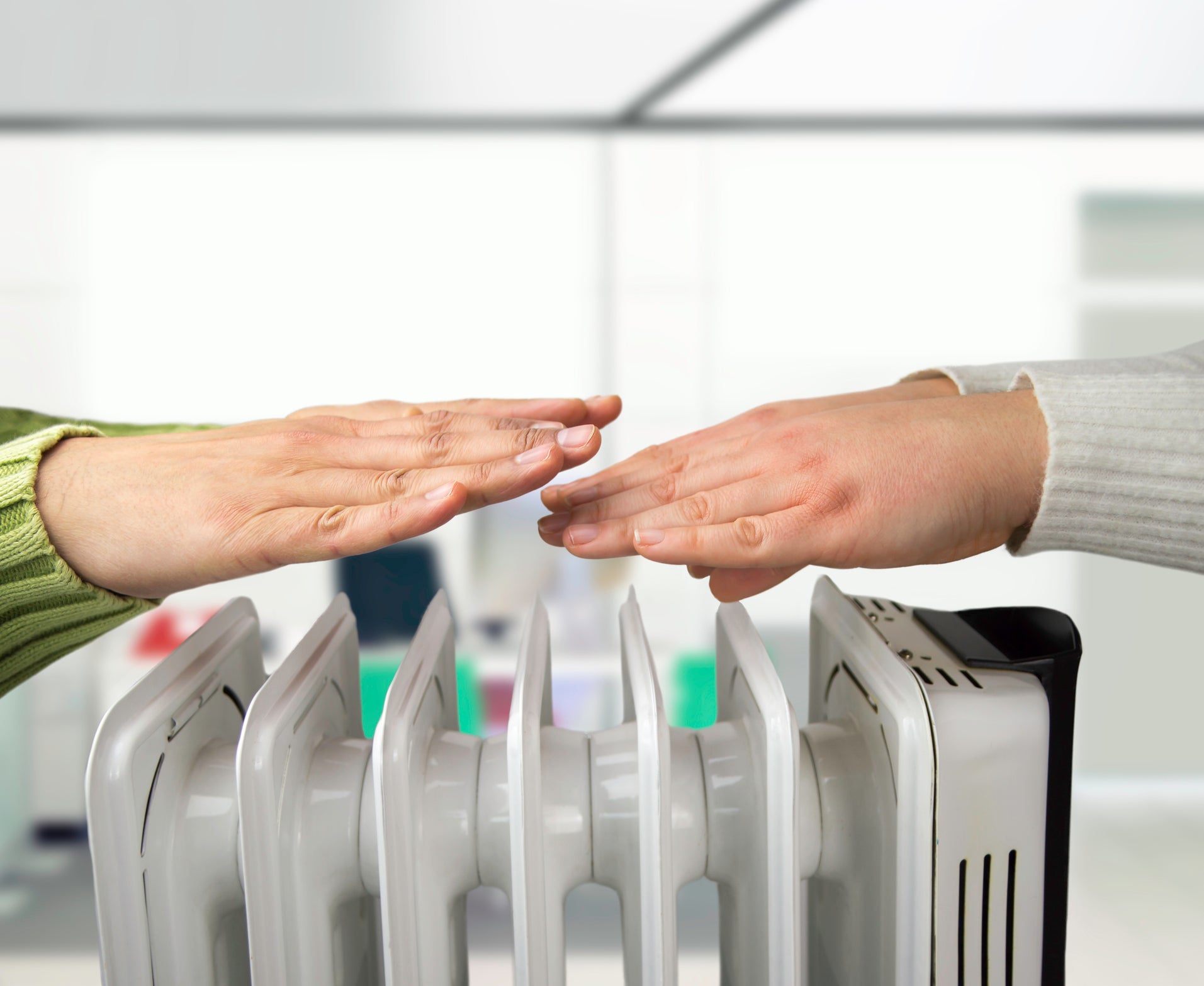
Employees should notify their employees as soon as possible if they are absent or late.
What if I need to take time off for last minute childcare?
ACAS says that in an emergency situation involving a dependent, anyone with employee status has the right to take unpaid time off.
This includes the following situations:
- A school is closed and a worker cannot leave their child
- Caring arrangements for a disabled relative are cancelled
- A partner is seriously injured as a result of bad weather
An employee should notify their employer of the absence and the length of time they envisage they’ll have to take off in leave. The pair should then agree that the time could be take off as annual leave so that the employee doesn’t miss out on pay.