What does a livehouse actually need to be?
A tiny room? A sticky floor? A band playing three metres away from your face? Someone yelling into a microphone while a hundred people lose their minds?
According to Daniel Ryn, the founder of MELT Livehouse, none of the above is essential. MELT is a live music venue in Bangkok, widely recognised for being a cornerstone of the Thai indie music scene.
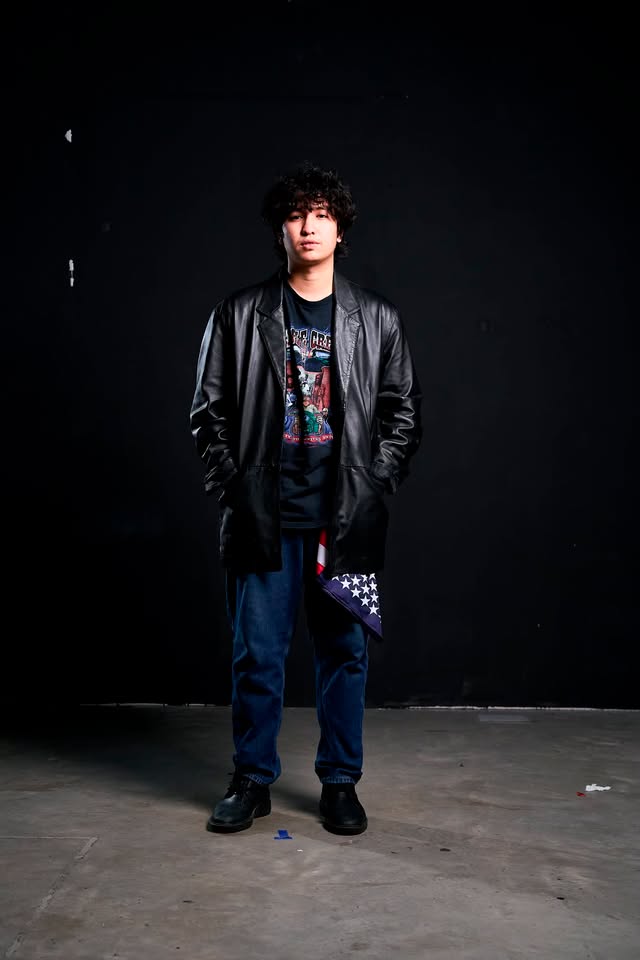
“It could be a big house — it could be a small house,” he says.
The more Daniel talks about livehouses, the more the the idea of intimacy begins to stretch beyond physical distance — into the feeling of being part of something.
A room can hold hundreds or thousands. What matters is whether the artist can still reach the audience, and whether the spectators still feel close enough to reach back and connect.
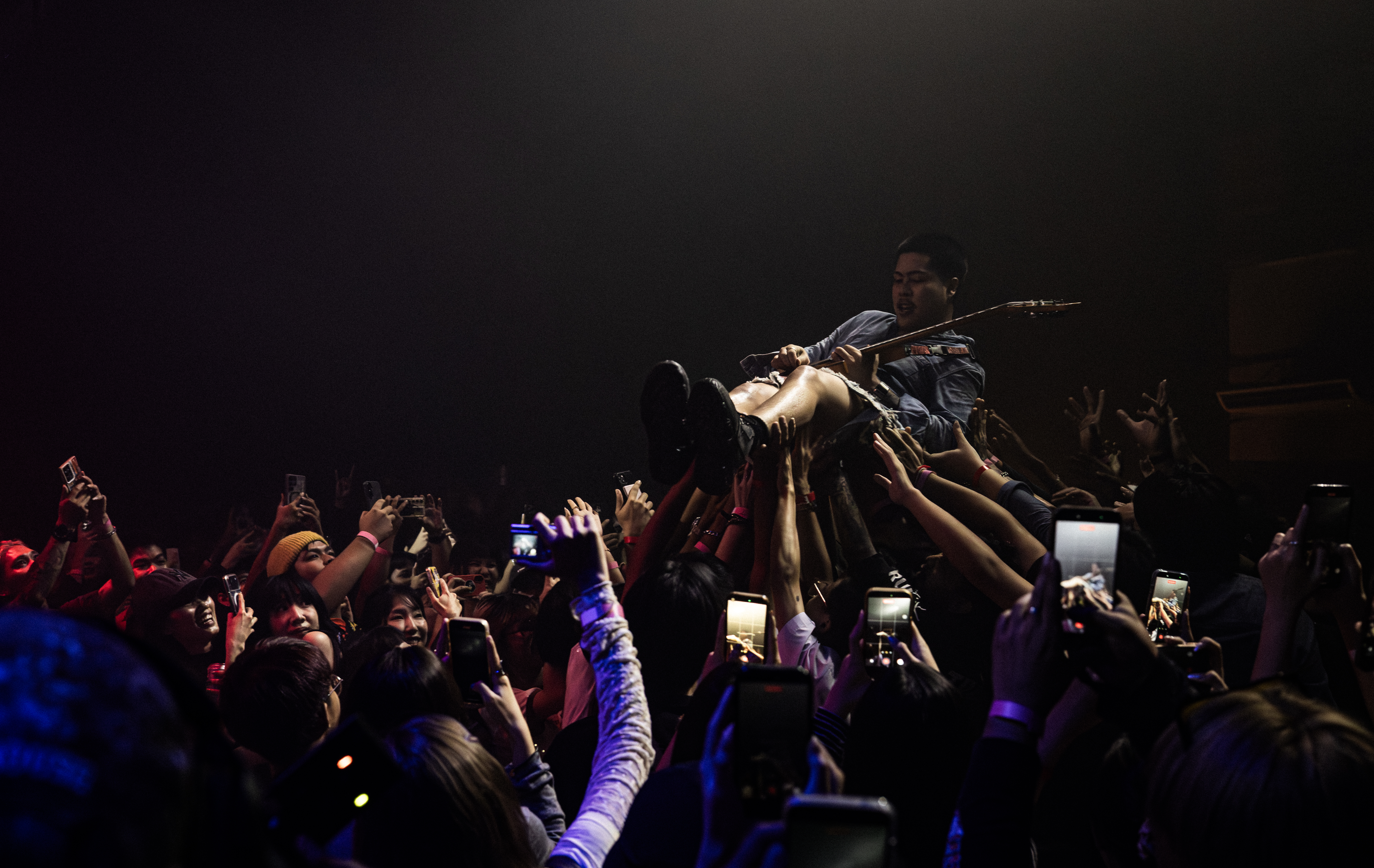
“Livehouse for me is intimacy,” he says. “It’s like you’re asking someone to come visit your home.”
It is a strange way to describe a music venue, especially one that now has a location on Rama IV Road and another at Cloud 11 that had just recently opened their doors. But then again, Daniel’s understanding of the livehouse has never been particularly constrained by rules.
For some, expectations of a livehouse would be a room of 150 or 200 people. For Daniel, it could be any amount. If the setting still allows an artist and an audience to connect, he argues, the room can still feel like a house.
That idea goes back to Japan, where Daniel first encountered the livehouse concept as a teenager touring with his former band. What stayed with him was not just the venues but also how normal they seemed.
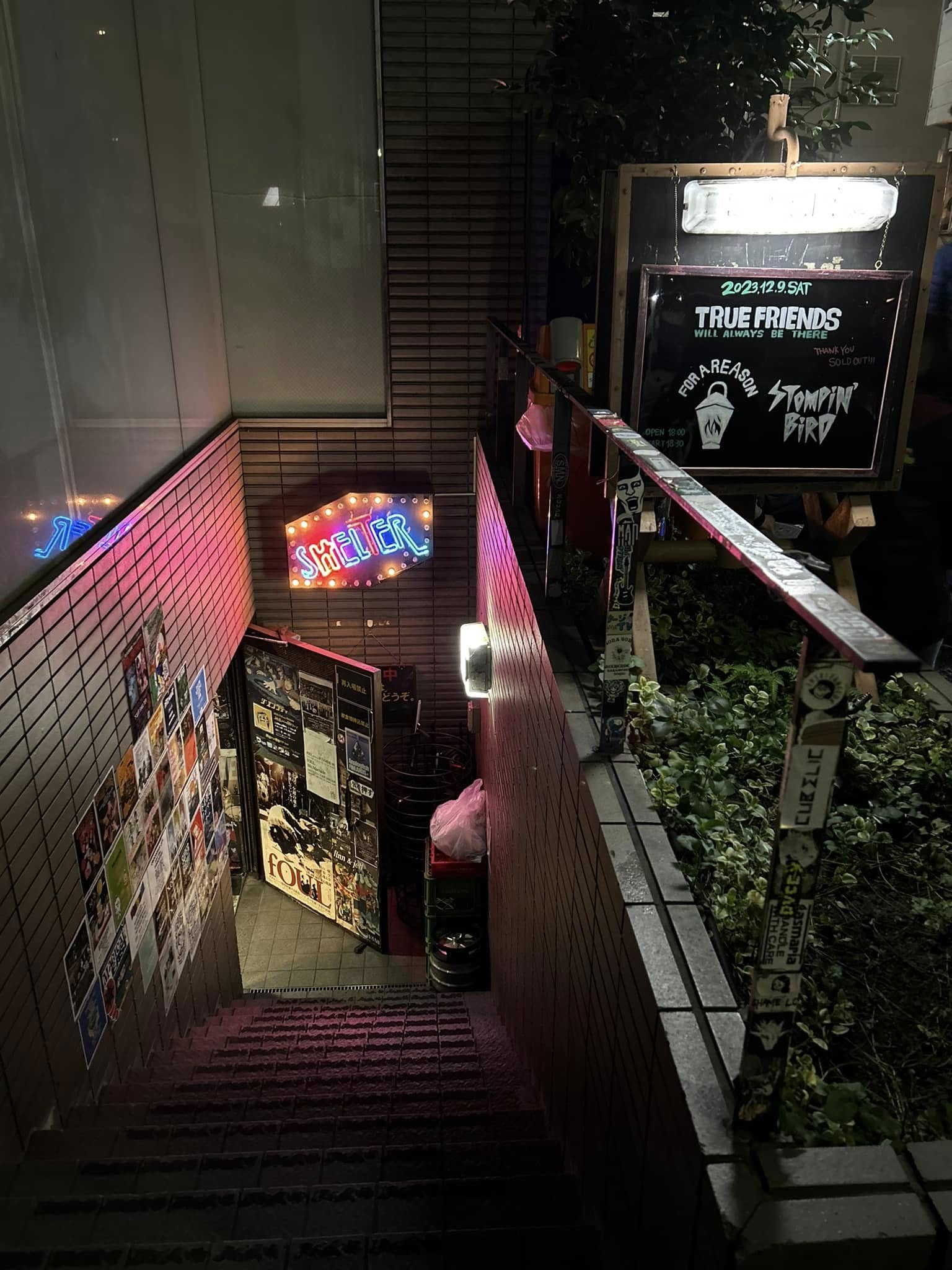
“You could just walk for a few minutes. There’s always livehouses everywhere,” he says. “People play music all over the city. So why not create all these spaces for them to have fun all the time?”
For Daniel, the ubiquity of livehouses in Japan is comparable to that of 7-Eleven. There is simply one wherever you happen to be.
Though the comparison is funny, the point is serious: live music should be accessible enough that you don’t have to think too hard about going to see it. Going “out for music” should be just as easy as going to the cinema.
You check what’s playing, decide what you want to see and go. It doesn’t have to be a major event requiring months of planning and saving up.
There should simply be something playing tonight.
It is a surprisingly radical idea in a music culture where live performance can often feel like an occasion rather than an everyday activity.
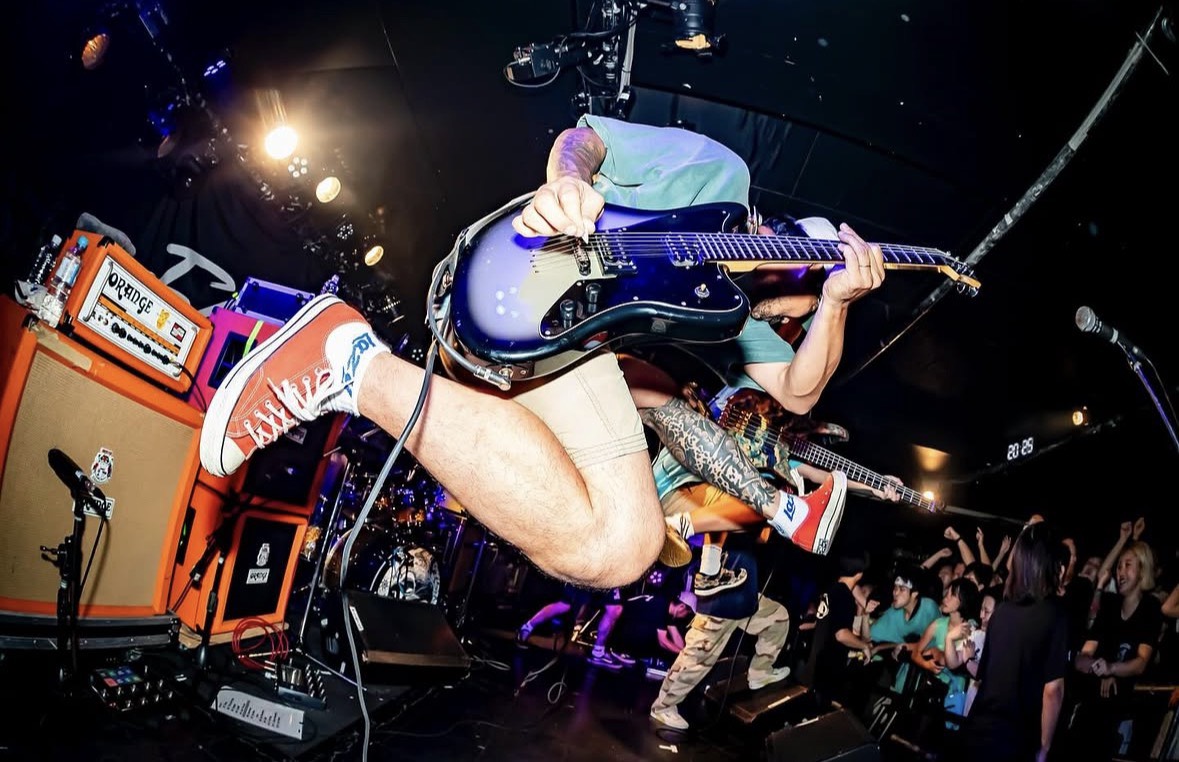
At one of the venues, he watched a woman who looked to be in her 50s run the entire show almost single-handedly. One minute she was behind the mixer, the next she was backstage, then somewhere else making sure the whole thing didn’t fall apart.
Watching her, something clicked. Thailand didn’t lack musicians. Maybe what it lacked was simply a place for them to go.
So he went home and started scouting.

MELT first found its home on Rama IV before expanding to Cloud 11, where the idea of the livehouse could stretch considerably further.
At the size of the large Cloud 11 venue, you might reasonably assume the intimacy would disappear. Daniel doesn’t.
“You can still connect well,” he says. “[The audience] still treat the show as if they played inside a livehouse.”
A livehouse isn’t necessarily small. It simply has to feel close.
The room can be raw and messy or polished and technologically impressive. What matters is whether the audience feels like they are participating in something rather than simply watching it from a distance.
In other words, intimacy isn’t necessarily something the architecture gives you. It is something the room has to create.
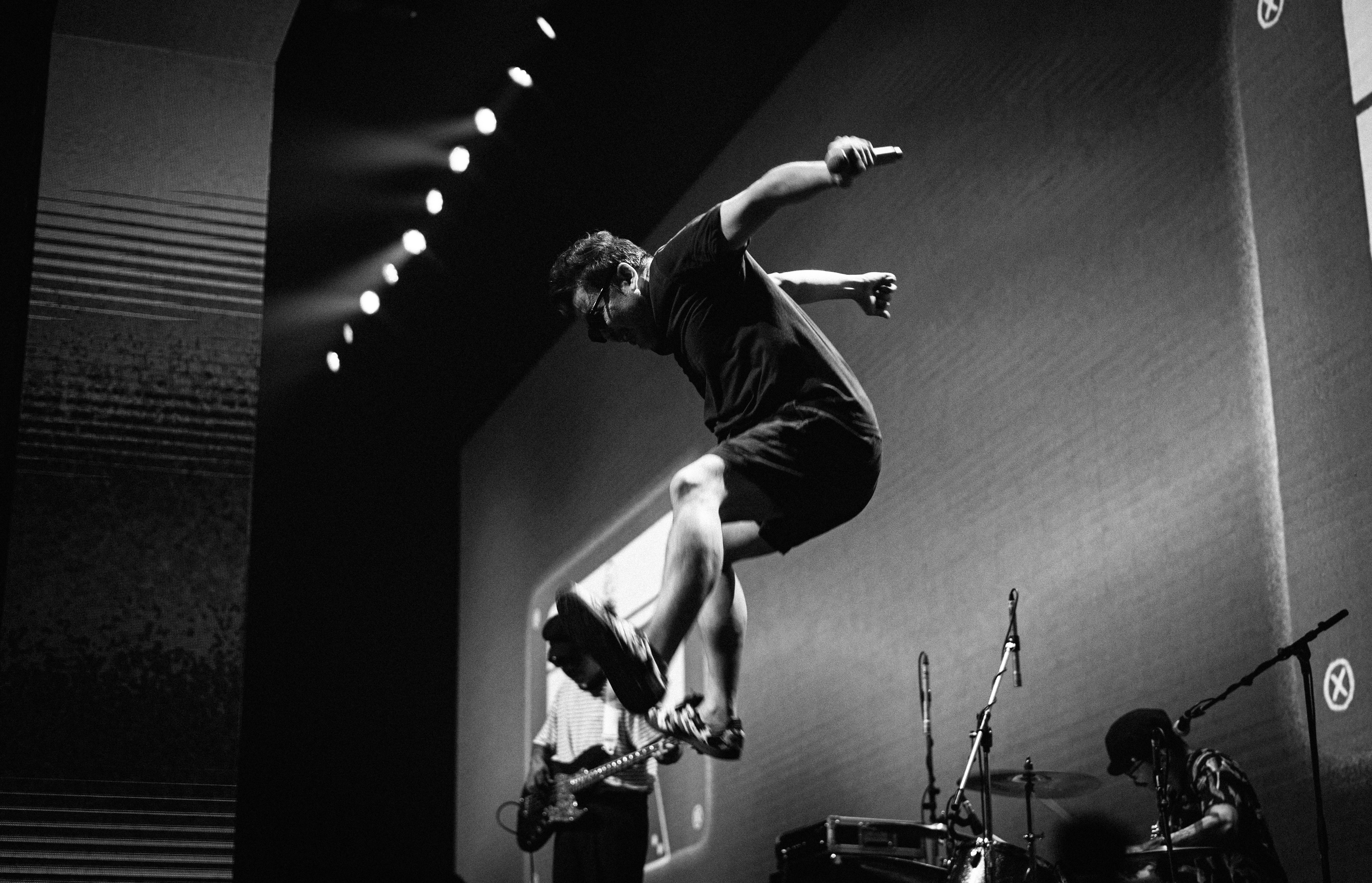
When asked about the growing number of livehouses within Thailand, Daniel said he isn’t threatened by the growing number of livehouses appearing across Thailand.
In fact, he wants more.
“I want to see livehouses at the corner of every street,” he says.
He would rather see more original spaces than a handful of venues copying one another.
Because the ultimate goal isn’t to create another exclusive corner of Bangkok’s music scene. It is to make live music “ordinary”.
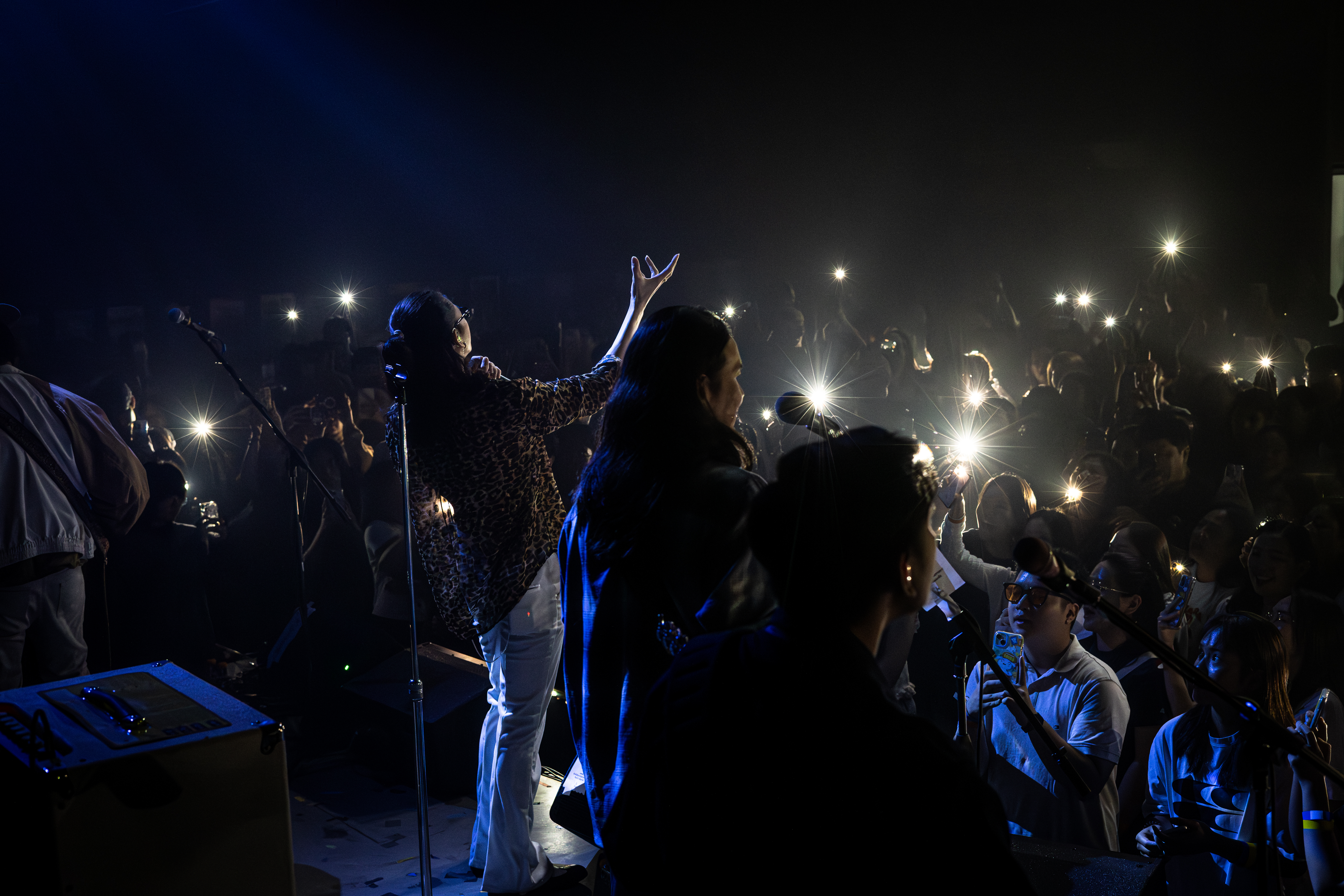
This weekend, MELT is turning its spotlight to the international stage, with Matt Maltese and Summer Salt headlining the programme. Both internationally recognised acts bring their own distinct take on indie music, adding another layer to Daniel’s vision of making global live music more accessible to Bangkok audiences.
For him, the challenge isn’t simply booking bigger names. It is creating a reason for people to come through the door.
Maybe they already love the artist. Maybe they have never heard of them. Either way, there should be something worth discovering.