- The Chernobyl exclusion zone, established after the 1986 nuclear disaster, remains too dangerous for human habitation but has become a thriving refuge for wildlife.
- Species including wolves, brown bears, lynx, moose, and red deer have returned to the vast, desolate territory spanning Ukraine and Belarus.
- Przewalski’s horses, a rare wild species, were introduced in 1998 and have successfully adapted to the environment, even utilising abandoned buildings for shelter.
- Scientists note that while radiation persists, wildlife exhibits subtle effects like darker frog skin rather than widespread die-offs, demonstrating nature's resilience.
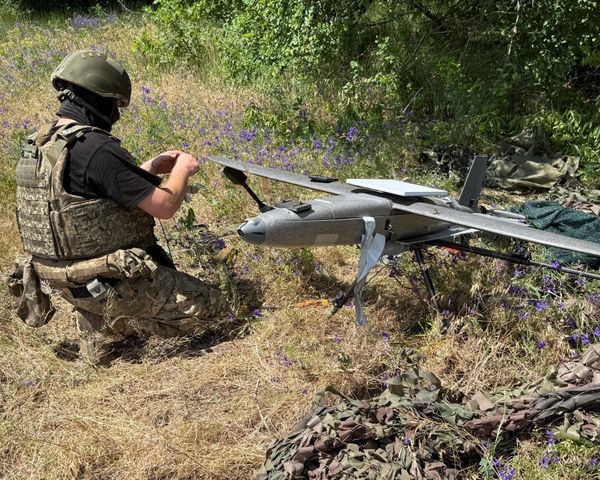
- Recent challenges include the 2022 Russian invasion, which caused fires and damage, transforming the zone into a heavily monitored military corridor alongside its role as a wildlife sanctuary.
IN FULL