We’ve all heard the popular saying “you only live once” – or for the social media savvy, #YOLO.
But what about death?
You also only die once (#YODO) but it’s not something many of us talk about. A recent project, Working together: improving end of life care through better integration, found that people involved in delivering end of life care found it helpful to talk to other workers and people with the experience of using those services, as it helped them understand how they could work together to provide better care and support.
The project brought together a wide range of people from different backgrounds including professionals and people with experience of end of life care. It gave them an opportunity to talk to each other about their own experiences and what mattered to them.
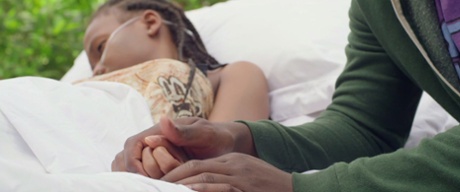
Dip, who has motor neurone disease, and his wife were part of the project and appeared in one of the two films produced. He said: “When I was first diagnosed I had to learn a whole new language relevant to my care, and I didn’t know how to access support. It was a challenge to know who to ring, and often the people I contacted didn’t know how to help or where to send me. Sometimes they didn’t ring back at all and I felt helpless.
“Eventually I made contact with a social worker who understood the various systems and could explain the different roles and right people to contact. He listened to what I needed, focused on what could be achieved and made sure I was kept up to date with available information.
“Having the support I need allows me to worry less about my health and make the most of every day, which is very important to me. It’s hard enough living with a condition, but try to imagine how hard it is when the services don’t communicate and fail. It’s important to remember that I’m a person, not a disease.”
Through the experiences of people like Dip, his wife and practitioners, the project identified the most important messages for frontline workers to help them work in an integrated way when supporting people at the end of their lives.
Working together
The Working together: improving end of life care through better integration project produced a number of resources that are available online here, including:
- A film, It helps to talk, looking at the importance of communication
- Another film, Understanding roles, working together for better end of life care, in which some of the key professional, alongside a person using end of life care and a carer describe their roles in end of life care. This film has an accompanying booklet
- Resources to use when developing training for practitioners about working together including PowerPoint, hand-outs and an interactive PDF.
This project was made possible by Health Education North Central and East London, which was awarded funding to run seven end of life care projects in its area. Skills for Care partnered with Skills for Health and worked in association with the National Council for Palliative Care.
Every year in May, Dying Matters hosts a range of events around the country with the aim of getting people talking about dying, death and bereavement and making plans for their end of life. Dying Matters Awareness Weekruns from 18 to 24 May 2015. Find out how you can support this week of awareness-raising here.
To find out more about the support we can offer you and your organisation please visit the Skills for Care website or the Skills for Health website.
Content on this page is produced and controlled by Skills for Care, sponsor of the Guardian Social Care Network leadership, learning and development hub