Hazardous child labour
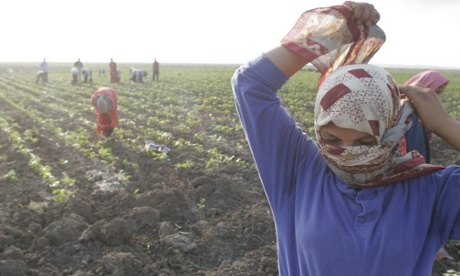
The ILO estimates that worldwide, 115 million children are engaged in hazardous work. ILO Convention 182 defines hazardous child labour as “work which, by its nature or the circumstances in which it is carried out, is likely to harm the health, safety or morals of children”. It constitutes one of the worst forms of child labour, and is prevalent in industries such as agriculture, mining, construction, manufacturing and services.
The number of children killed at work is believed to stand at 22,000 each year. There is no data on the number of children suffering injuries and sickness at work. Numerous products that involve hazardous child labour can end up in global supply chains, including agricultural produce, minerals and manufactured goods.
Working conditions for young workers
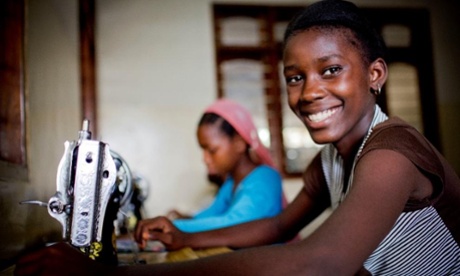
Not all work done by children constitutes child labour. Companies have an important role to play in promoting decent employment for young workers – defined as those who have reached the general minimum age for employment and are under 18-years-old. Young workers can be engaged in appropriate work as defined by ILO Convention 138. This ranges from light work combined with education to apprenticeships and other transitional programs by which children move from education into full time work.
Employment should provide young workers with a clear advantage for their future economic, social and personal development. Companies can create internal guidelines to ensure the protection of young workers in their supply chains, supported by the establishment of vocational and training programs to empower local youth.
Parents and caregivers
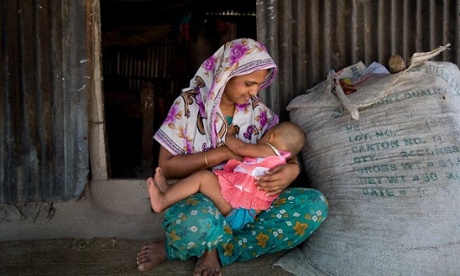
Parents and other adult caregivers have an indispensable role to play in protecting children and enabling their development. The family is a child’s primary source of both material and emotional support. Exploitative working conditions for parents can have a direct, negative impact on children. Companies can support families by providing fair employment terms and decent working conditions, including an adequate living wage.
They can also make a significant contribution to support children’s rights by going beyond legal compliance and establishing family-friendly workplaces that support employees in meeting both their work commitments and family responsibilities.
Environmental pollution
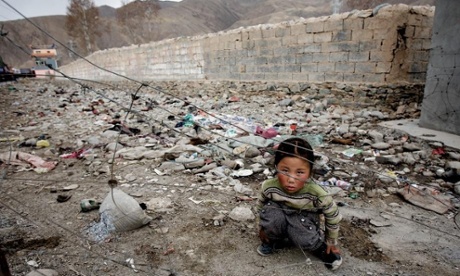
Children are at greater risk from environmental hazards than adults due to their physical size, developing bodies, metabolic rate, natural curiosity and lack of knowledge about the threats in their environment. For example, when children play on the ground, their potential intake of polluted soil and dust increases.
According to the World Health Organization, 24% of the global disease burden is due to environmental factors (pdf). Every year, about 3 million children under age 5 die from preventable environment-related causes and conditions. To mitigate this risk, companies can integrate children’s rights considerations into relevant environmental policies, or take into account children’s specific vulnerabilities in environmental and health impact assessments.
Children of migrant workers
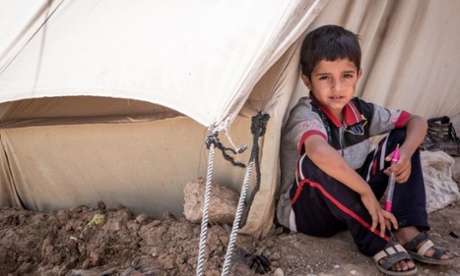
Refugee and migrant children, especially those who are unaccompanied, are most exposed to the worst forms of child labour. Isolated from their families and community, unaccompanied children are vulnerable to exploitation, coercion, deception and violence. They are at risk of becoming victims of trafficking and, if travelling across borders, they may lack legal status and legal protection.
Employers often control their payment, work conditions and housing arrangements. Employers may also withhold passports or wages from migrant workers, creating a situation of forced or bonded labour. Globally, it is estimated that children and young adults between 12 and 24 make up one third of migrant flows from developing countries.
Poverty
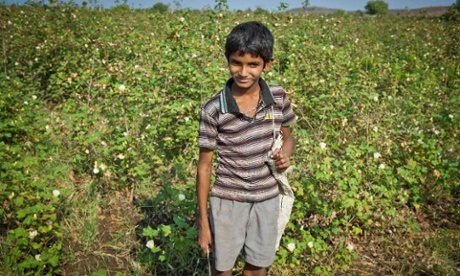
Child labour is both a cause and a consequence of poverty. Poverty pushes children into child labour, and with early entry into the labour force, many children delay starting school, fail to complete a basic education, or never attend school at all. Without an education, children have minimal possibilities for breaking the cycle of poverty.
Children in the workplace are also particularly vulnerable to exploitation, violence and abuse. Globally, 168 million children were engaged in child labour in 2012, according to the ILO. Child labour exists in many supply chains, especially in agriculture, services and industry, and is often concentrated in the informal economy that is outside the remit of labour market institutions.
Access to education
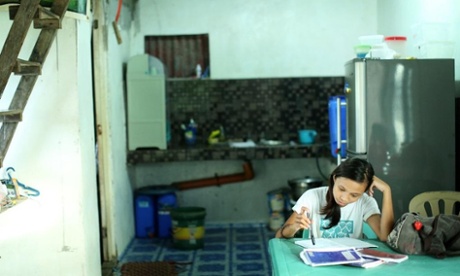
According to the Convention on the Rights of the Child (CRC), states have a legal obligation to ensure that primary education is free and compulsory. Yet worldwide, more than 100 million children are not attending primary school.
Companies can work together with governments and other partners to promote access to quality education. Working with business peers, communities, child rights organisations and others to promote access to education is not only an investment in the skills of the next generation, but also a sustainable solution to address the root causes of child labour.
Investing in women
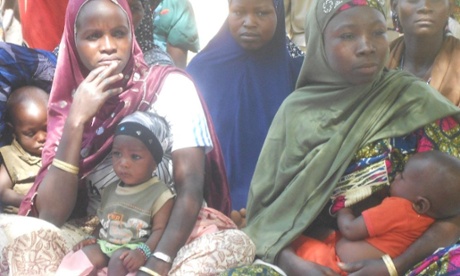
Investing in women is critical to achieving better outcomes for children. Women represent 60 to 80% of workers in global manufacturing supply chains. In Bangladesh, for example, approximately 80% of workers in the garment industry are women. UNICEF data shows that, globally, newborns of mothers with no education are almost twice as likely to die after birth as newborns of mothers with secondary schooling or higher.
Providing protection for mothers, including their right to paid maternity leave and to medical care, is a vital component of children’s health and wellbeing. Parental leave, breastfeeding policies and flexible workplace policies can further enable parents and caregivers to support children during the crucial phase of early childhood.
Childcare facilities
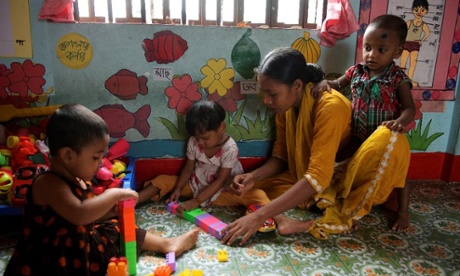
In many developing countries, employers create demand for young female workers who leave their homes and communities in search of employment. Lack of sufficient child care facilities can significantly impact young children. Quality child care services allow working parents to be better caregivers and enable children to thrive and develop to their full potential.
They can also boost the female workforce participation within the private sector. The provision of child care must support the principles of children’s best interest, equity and participation. Child care facilities should have in place a holistic program that ensures the developmental needs and cultural appropriateness of the child emphasising parental involvement.
Children’s rights in emergencies
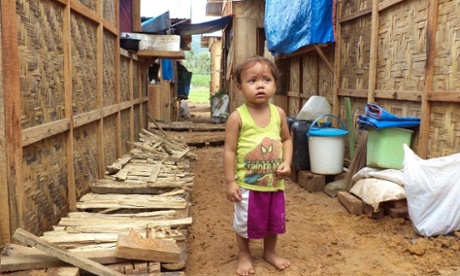
Emergency situations disproportionally affect children by making them more susceptible to disease, malnutrition, exploitation and violence. Children with disabilities, displaced, separated and unaccompanied children, and indigenous or ethnic minority children are among those who are typically most vulnerable.
As companies engage in new sourcing destinations, global supply chains increasingly extend to countries prone to conflict or natural disasters. Companies should recognise and address the heightened risks of adverse impacts on children during emergencies, and that certain groups are particularly vulnerable. For example, companies can include the needs of children, their families and communities in contingency planning and remediation activities.
To find out more about how companies can integrate children’s rights into their operations and supply chains, click here.
More from the UNICEF partner zone:
- Banks and financial institutions can empower children
- The dos and don’ts for business when designing products and services for children - infograph
- Why is it important for children and youth to have a voice in business?
Copy on this page is paid for and provided by UNICEF, sponsor of the children: the next business agenda hub