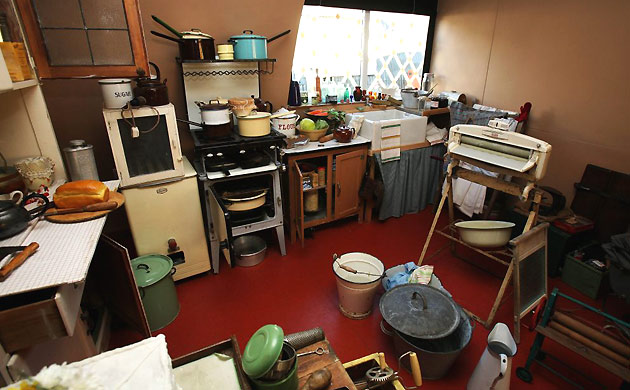
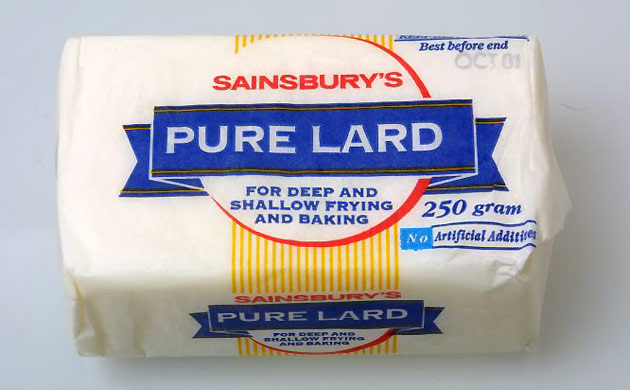
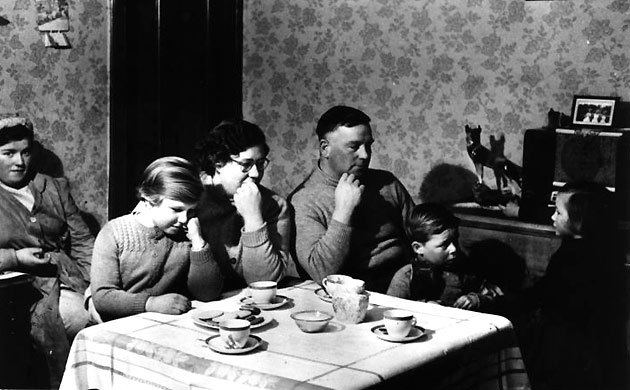
The 1947 basket - reflecting the austere post-war world of ration books, stodgy puddings and dripping - contained many items which are not present in today's index. Mangles and galvanised buckets were representative items until the early 1960sPhotograph: Graham Turner/GuardianIncreasing affluence and technology can be seen in the move away from tins towards fresh food. Spam was once a staple food in Britain. Luncheon meat was removed from the list in the 1990sPhotograph: Roger Tooth/GuardianLard entered the basket of the typical shopper in the 1950s. It had dropped off by 1987. Other casualties of changing tastes included wild rabbit meat and muttonPhotograph: Sean Smith/Guardian
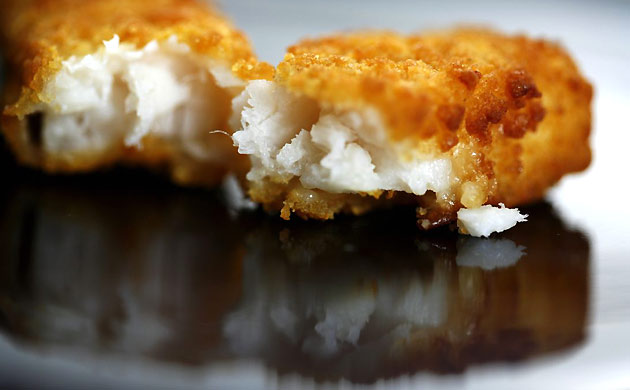
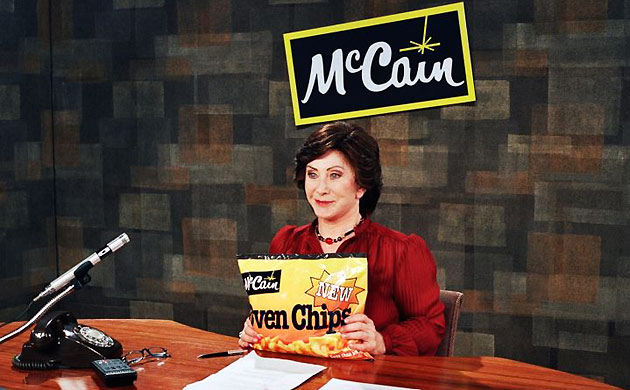
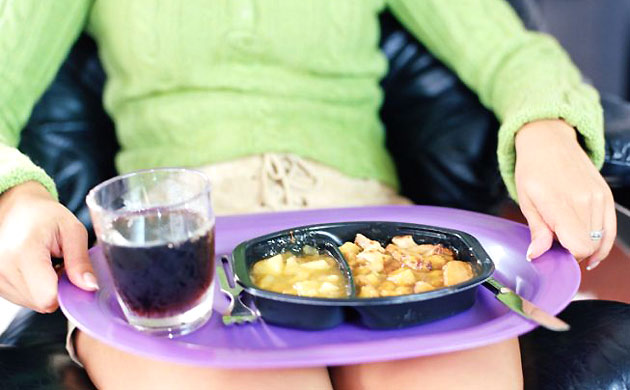
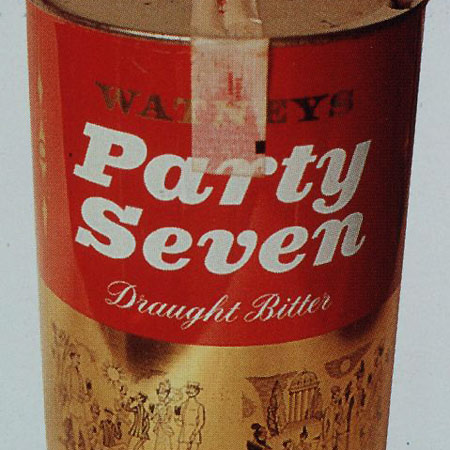
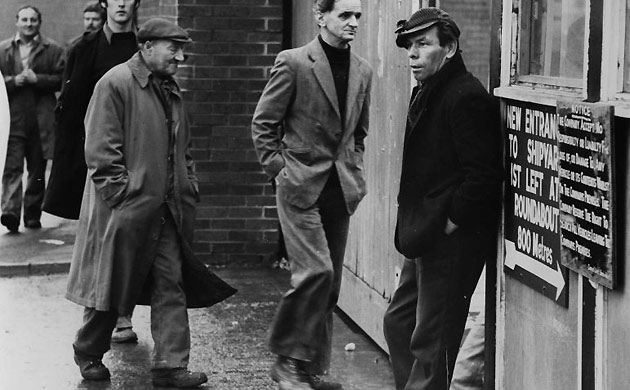
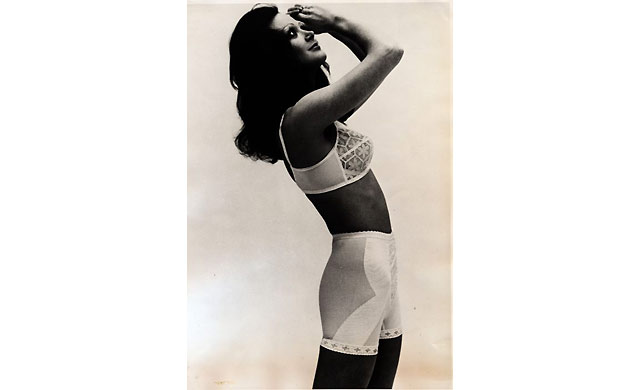
Fish fingers were added in the 1950s as the trend towards convenience shopping and prepared food continued. Sliced white bread made the list in the early 1960s and remains there stillPhotograph: David Levene/GuardianFrozen chips - here advertised by former Blue Peter presenter Valerie Singleton - were added in the late 1980sPhotograph: PRReady meals and cook-in sauces joined the list in the mid-1990s. Despite the recent popularity of TV cookery programmes they remain an important part of the modern British dietPhotograph: Alamy (Royalty free)No 1970s party would have been complete without oversized tins of beer - by 1987 they had been consigned to historyPhotograph: Public domainThe representative items index also reflects changing fashions in clothing. The price of caps was taken off the list in the early 1950s. The current basket includes tracksuit bottoms, replica football shirts and trainersPhotograph: Don McPhee/GuardianGirdles were removed in the 1980s - along with fabrics like rayon and winceyettePhotograph: Public domainRadio licences were included until the 1970s. The 'rental and licences' category now includes satellite and digital TV subscription fees and DVDsPhotograph: Hulton Getty
Sign up to read this article
Read news from 100’s of titles, curated specifically for you.