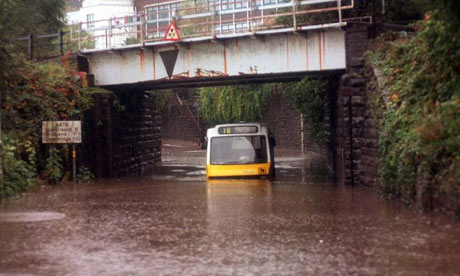
Cardiff was built on a flood plain. The last big flood in the city was 1979 and since then flood defences have been put in place, but flash flooding across the UK in the last few years has led Cardiff Council to seek advice on how best to prepare the city for such a disaster.
At the Environmental Scrutiny Committee meeting yesterday evening at County Hall, councillors were given guidelines on how to respond in the case of flooding.
Emergency Planning officer Gavin Macho told councillors it's up to householders to be prepared and councillors were given a checklist of advice for residents.
* Prepare a bag with essential emergency items, including copies of insurance documents, a torch, a battery radio, first aid, water and emergency contact numbers (floodline 0845 988 1188)
* During a flood residents should stay indoors and tune in to local news outlets on the radio
Flooding history
The River Taff and Ely will easily overflow when there is exceptionally heavy rain combined with high tides, but the main source of flooding for Cardiff is surface water, councillors were told.
You can see which areas of Cardiff are prone to flooding on this map on the Environment Agency website.
Key areas include Rumney, St Mellons, Canton, Riverside, Pontcanna, parts of Cathays, and Cardiff Bay. Councillor Jackie Parry has asked for a map of the flooding hotspots in Cardiff to be produced for public use.
Last June flash floods left some Cardiff homeowners stranded – 100 homes in South Wales were submerged. In September 2008 the River Ely burst its banks leaving Cardiffians mopping up floors. Flash flooding in Cockermouth and Sheffield have also highlighted the risk to the council.
Macho said: "Many lessons have been learnt and we need to keep advised about what is involved. Over the years these things have happened and we can make sure we don't make the same mistakes."