As autonomous vehicle companies plan for commercial robotaxi deployments, they're weighing everything from city layout to weather in selecting launch markets.
Why it matters: Robotaxis will not be available everywhere at the same time. AV companies must choose cities to start with — a critical business decision that will determine which populations are first exposed to this technology and how it further develops.
Details: Companies must balance a range of factors to determine which cities are most attractive.
- Market size: The larger the city, the greater the business opportunity.
- City layout: Densely populated cities enable ride-hailing fleets to serve the entire passenger base more efficiently. Simple city layouts and nearby airports are also advantageous.
- Regulations: U.S. states vary widely in their receptiveness to AVs, from extremely permissive (Arizona, Florida) to more demanding (California) to downright hostile (New York).
- Climate: Since sensors and computer vision systems still struggle with inclement weather, expect the first AVs in markets with no snow and little rain.
- Energy infrastructure: A robust electric grid is a key consideration for companies deploying EV fleets.
- Competition: City infrastructure and regulators may not support more than one major AV player in any given market, at least initially.
Where it stands: These criteria are already shaping deployment plans.
- Large populations, sunny weather and lax state regulatory regimes have led Waymo to Phoenix and lured Ford to Miami.
- Aptiv has made a big bet on Las Vegas. Though a smaller market, Las Vegas' ideal climate, strong tourist economy and flat gridlike layout make it a logical beachhead.
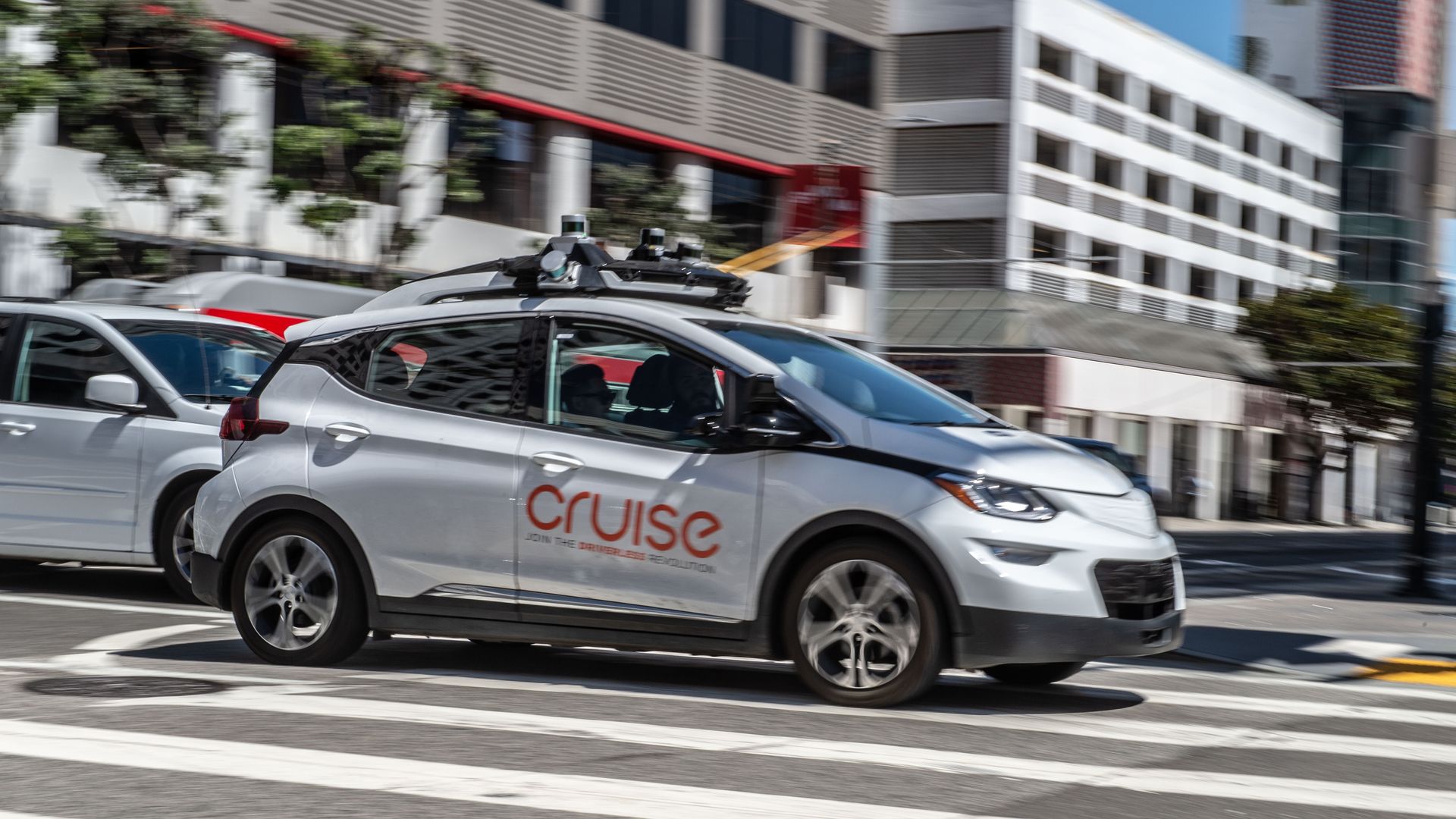
- Both Zoox and General Motors subsidiary Cruise have gone all-in on the more complicated San Francisco market, whose unofficial status as the global tech capital no doubt played a role. Its large metropolitan area and good weather are offset by challenging local regulations and a notoriously difficult driving environment.
What to watch: These companies will ramp up their presence in their chosen markets over time as they gradually push from testing to commercialization. Expect larger fleets, a bigger real estate footprint and, eventually, heavy advertising to consumers.
Rob Toews is an investor at Highland Capital. Previously, he worked on strategy at Zoox.