
Severe thunderstorms are a normal part of life in Central Texas, but the roof damage they leave behind is not always obvious. Large hail can crack shingles, damage metal components, and break tile, while smaller hail may leave subtler signs that are difficult to recognize from the ground.
The problem is that homeowners often face two bad options after a storm: ignore possible damage until a leak develops, or climb onto the roof and risk an injury.
Fortunately, there are several clues homeowners can safely check without leaving the ground. These signs cannot replace a professional roof inspection, but they can help determine whether a closer evaluation is warranted.
Start With the Date and Location of the Storm
Before inspecting the property, confirm whether hail was actually reported nearby.
Hailstorms can be highly localized. One neighborhood may experience damaging hail while homes only a few miles away receive heavy rain and wind. Even within the same subdivision, differences in hail size, wind direction, trees, and roof exposure can affect the amount of damage.
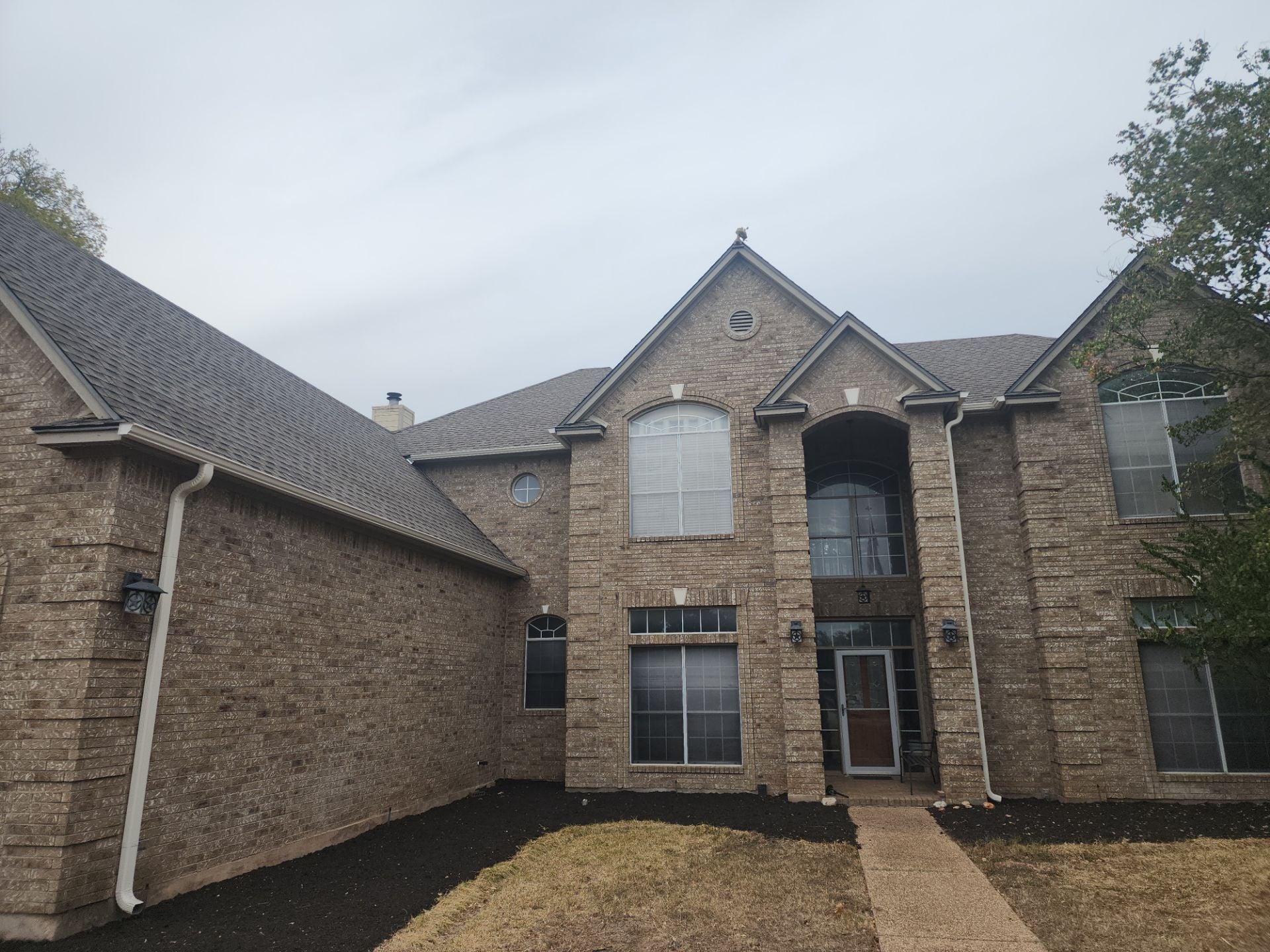
Homeowners should note:
- The approximate time and date of the storm
- Whether hail was visible or audible
- The estimated size of the hailstones
- How long the hail lasted
- Whether high winds accompanied the storm
- Whether nearby homes or vehicles were damaged
Photographs or videos taken during the storm may later help document that hail occurred at the property.
Inspect Gutters and Downspouts
Gutters are among the easiest components to inspect from the ground.
Look for fresh dents, chipped paint, displaced sections, or impact marks on metal gutters and downspouts. These signs do not prove that the roof is damaged, but they establish that hail struck the property with enough force to affect exterior materials.
Homeowners should also look near downspout discharge areas after the storm. An unusually large amount of shingle granules may indicate that the roof surface experienced impact or accelerated wear.
Some granule loss is normal, particularly on newer roofs and older shingles. The concern is a sudden or concentrated accumulation following a hail event.
Check Window Screens, Frames, and Outdoor Fixtures
Hail often leaves evidence on surfaces that are easier to see than the roof.
Inspect:
- Window screens for tears or stretched areas
- Aluminum window frames for dents
- Exterior light fixtures for cracks
- Metal vents and utility covers for impact marks
- Garage doors for dents
- Fences and painted surfaces for fresh chips
- Air-conditioning equipment for bent fins
- Patio furniture and grills for damage
If several of these components show fresh impact marks, the roof may also have been affected.
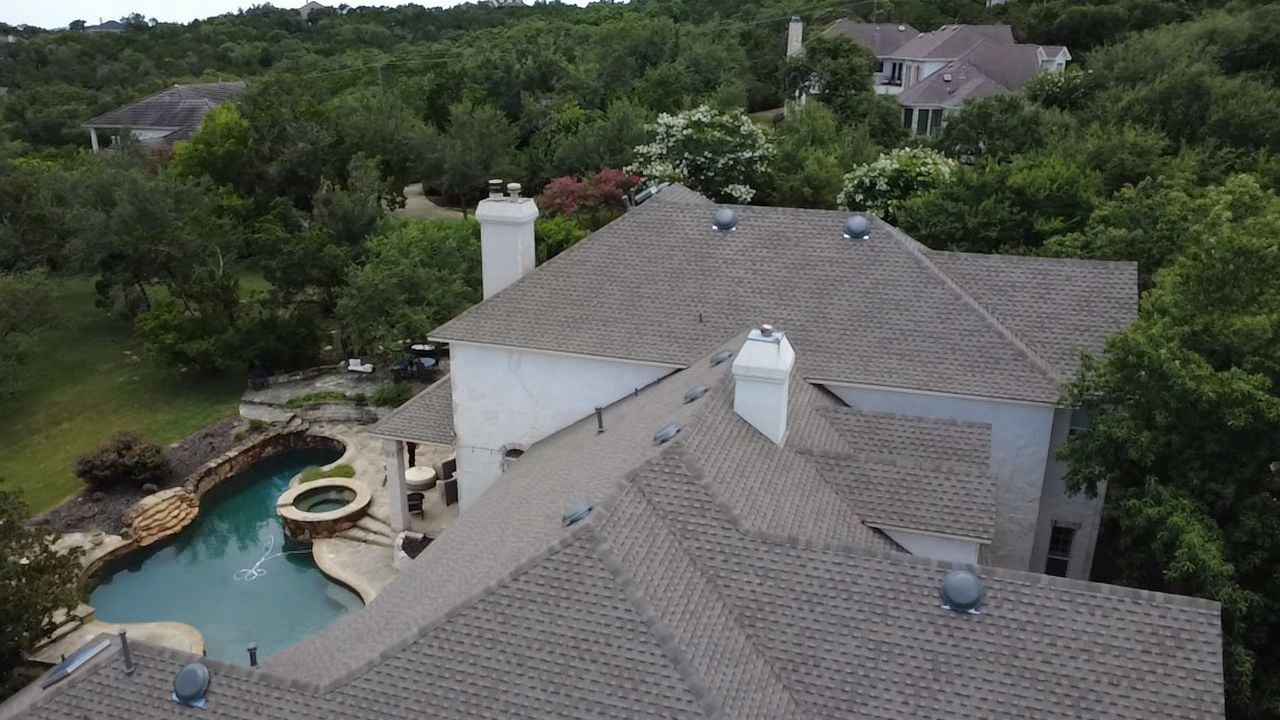
Look at Roof Vents and Flashing From the Ground
Metal roof components frequently reveal hail damage more clearly than asphalt shingles.
Using binoculars or a camera with a zoom lens, look for dents on:
- Box vents
- Turbine vents
- Metal ridge vents
- Pipe flashings
- Chimney caps
- Skylight flashing
- Exposed metal valleys
Fresh dents may appear brighter than the surrounding surface because the impact removed dust, oxidation, or finish material.
The presence of damaged roof vents does not necessarily mean the shingles require replacement, but it is a strong reason to arrange a closer inspection.
Examine the Shingles Without Walking on Them
From the ground, widespread shingle damage can sometimes be visible, particularly on lower roof sections or homes with steep slopes.
Warning signs include:
- Missing shingles
- Lifted or folded shingles
- Dark or irregular spots
- Exposed fiberglass
- Cracked shingle edges
- Areas that appear unusually shiny
- Heavy granule accumulation in gutters
True hail damage to asphalt shingles may look like a dark bruise where granules have been displaced and the asphalt mat has been affected. However, blistering, age-related granule loss, foot traffic, manufacturing irregularities, and mechanical damage can look similar.
That is why homeowners should avoid diagnosing the roof from photographs alone. Driftwood Builders Roofing’s guide on how to spot roof hail damage from the ground includes additional examples of what Austin homeowners can safely check after a storm.
Check the Attic and Interior Ceilings
Not all storm damage is immediately visible outside.
Homeowners should safely inspect accessible attic spaces and ceilings for:
- Fresh water stains
- Damp insulation
- Dripping around vents or chimneys
- Moisture near roof-to-wall intersections
- Wet decking
- Discoloration around skylights
- Musty odors
A roof can be damaged without leaking immediately. Underlayment may temporarily prevent water intrusion even when shingles have been compromised.
Conversely, a new ceiling stain does not automatically mean hail damaged the shingles. Wind-driven rain can enter through flashing, vents, siding transitions, or existing installation defects.
Do Not Climb onto the Roof
Walking on a roof after a storm creates unnecessary risks.
Wet shingles, loose granules, damaged tiles, steep slopes, and hidden weak areas can cause falls. Walking on the surface can also create additional damage or complicate the process of identifying what the storm caused.

Homeowners should avoid allowing unverified contractors to inspect the roof without permission or documentation. A reputable roofing contractor should explain what they found, provide photographs, and distinguish between storm damage, normal aging, and installation problems.
Understand the Difference Between Damage and Normal Aging
Not every mark on a roof was caused by the most recent storm.
Common conditions that may be confused with hail damage include:
- Blisters caused by trapped moisture
- General granule loss from aging
- Heat-related deterioration
- Tree-branch abrasion
- Foot traffic
- Manufacturing defects
- Nail pops
- Previous repairs
- Wind damage
Age-related deterioration tends to appear more consistently across the roof. Hail damage is often irregular and may be concentrated on roof slopes facing the direction of the storm.
The National Weather Service explains that hail forms inside strong thunderstorm updrafts and can vary significantly in size and severity over short distances. That variability is one reason neighboring properties may experience very different results from the same storm.
Repair or Replacement Depends on the Extent of Damage
Finding hail damage does not automatically mean the entire roof must be replaced.
A repair may be appropriate when:
- The affected area is limited
- Matching materials are available
- The surrounding roof remains in good condition
- The damage has not compromised the larger roofing system
Replacement may be more appropriate when:
- Damage is widespread across multiple slopes
- The roof is already near the end of its expected service life
- Shingles are brittle and cannot be repaired reliably
- Multiple components were affected
- The roof has a history of leaks or previous storm damage
Homeowners trying to understand the difference can review a detailed roof repair vs. replacement guide before deciding how much work may be necessary.
Document Everything Before Repairs Begin
Good documentation is especially important when insurance may be involved.
Homeowners should keep:
- Photos of hailstones and property damage
- The date and approximate time of the storm
- Contractor inspection photographs
- Written estimates
- Insurance correspondence
- Repair invoices
- Material and warranty information
Temporary measures may be necessary to prevent additional water intrusion, but permanent repairs should not begin until the damage has been thoroughly documented.
A contractor should photograph the roof before, during, and after any repair or replacement. This helps show what was damaged and how the affected components were corrected.
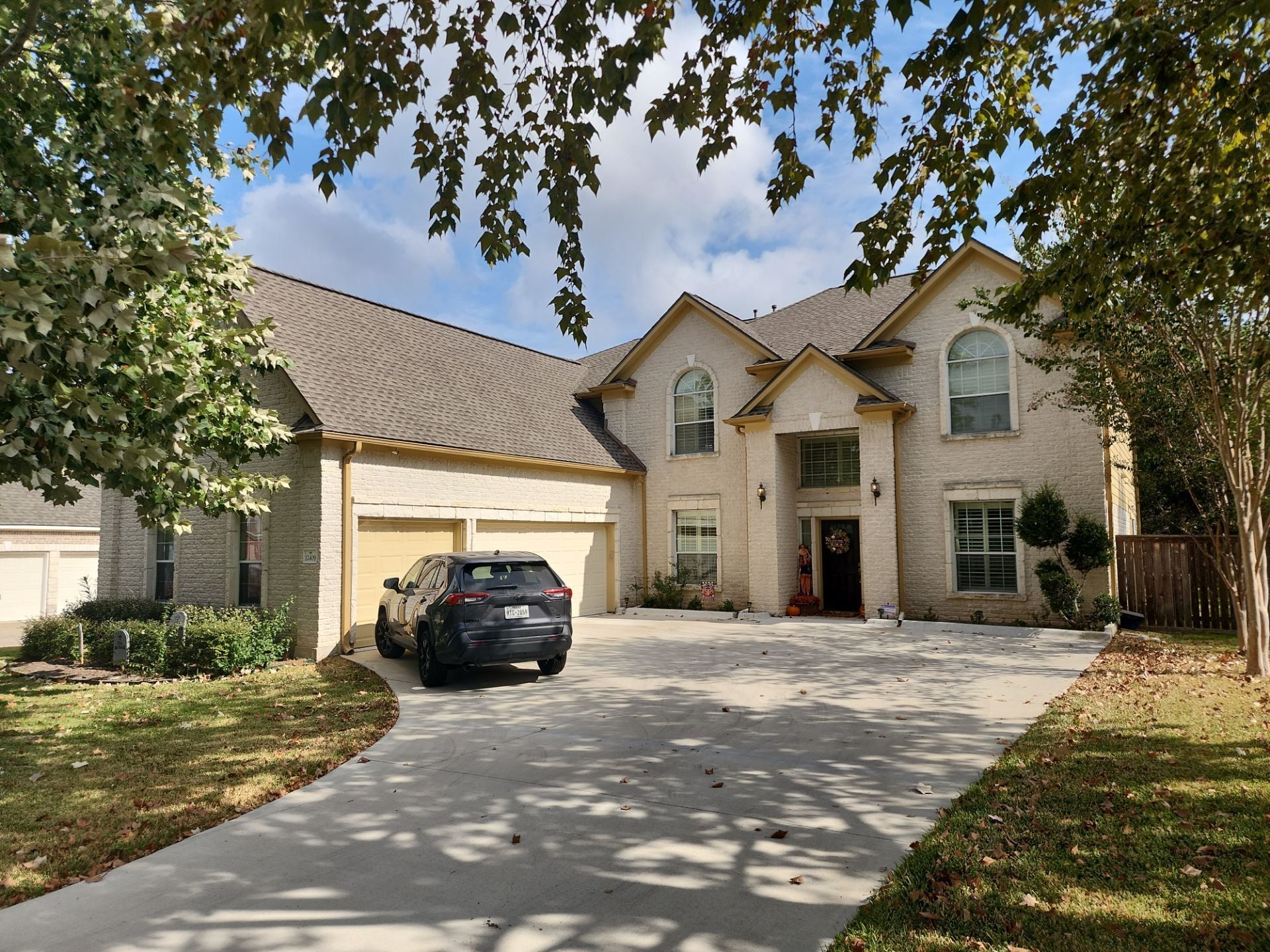
Know When to Request an Inspection
A professional inspection is reasonable when:
- Nearby homes are being repaired after the same storm
- Gutters or roof vents show fresh impact damage
- Shingles are missing or visibly disturbed
- New leaks or stains appear
- The roof is older and already showing wear
- The homeowner is unsure whether visible marks are hail damage
Homeowners can also use a roof-replacement assessment quiz as an initial screening tool, although the result should not replace an on-site evaluation.
For homeowners who need a professional evaluation, a local Austin roof inspection can document the roof’s condition and identify whether the issue is storm-related, age-related, or limited to a repairable component.
The Bottom Line
After a hailstorm, homeowners do not need to climb onto the roof to determine whether an inspection may be necessary.
Damage to gutters, vents, screens, outdoor equipment, and other exterior components can provide useful evidence from the ground. Interior stains or attic moisture may provide additional warning signs.
The safest approach is to document what can be seen, avoid walking on the roof, and request a qualified inspection when several signs point to possible damage.