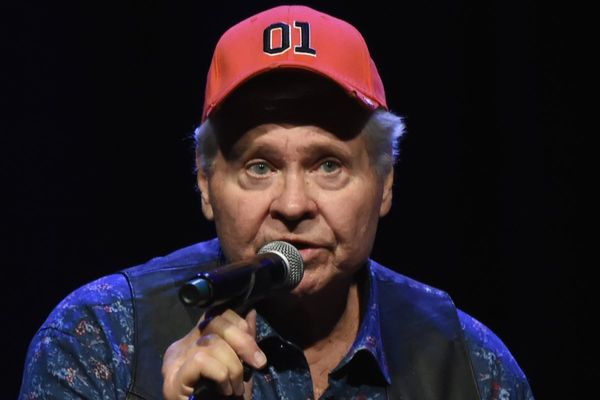

We often hear that leadership is about vision, strategy, and decision-making. While those qualities matter, research shows that appearance plays a surprisingly powerful role in how leaders are perceived. The way you dress, your hygiene habits, your hair, your demeanor. Every little thing has an impact on the way other people see you. And if you want to be seen as confident, trustworthy, and authoritative, then you need to make some changes. Here’s how attention to your appearance can make all the difference in the world.
Appearance Signals Confidence and Authority
Leaders who pay attention to appearance often project confidence without saying a word. A polished look communicates authority, making it easier for others to trust their judgment. Conversely, neglecting appearance can unintentionally signal insecurity or lack of professionalism. This doesn’t mean leaders must be flashy. When appearance matches authority, perception of leadership becomes stronger and more credible.
Grooming Builds Trust and Likeability
Trust is the foundation of effective leadership, and grooming plays a subtle but critical role. Well-groomed leaders are often perceived as more approachable and reliable, which helps build stronger relationships. Poor grooming, on the other hand, can distract from competence and weaken credibility. Leaders who invest in neatness and presentation show respect for themselves and those they lead. That respect translates into trust, which is essential for long-term influence.
Attire Reflects Professional Commitment
Clothing choices send powerful signals about how seriously leaders take their roles. A leader who consistently dresses with care demonstrates commitment to professionalism and responsibility. Casual or sloppy attire may suggest indifference, even if the leader is highly skilled. The key is aligning attire with the expectations of the environment, like a boardroom, public speaking, or team meetings. When attire reflects commitment, leadership perception improves dramatically.
Appearance Influences Career Advancement
Studies show that appearance impacts opportunities for promotion and leadership visibility. Leaders who look the part are often considered more ready for higher responsibility. This isn’t about vanity. Neglecting appearance can unintentionally stall career growth, even when performance is strong. Attention to appearance ensures leaders are seen as capable of representing the organization at the highest levels.
Cultural Expectations Shape Leadership Perception
Appearance standards vary across cultures, but the perception of leadership is universally influenced by presentation. In some environments, conservative attire signals respect, while in others, modern style conveys innovation. Leaders who understand cultural expectations can adapt their appearance to resonate with diverse audiences. Ignoring these nuances risks alienating stakeholders or appearing out of touch. Cultural awareness in appearance strengthens global leadership perception.
Physical Presence Extends Beyond Clothing
Leadership perception isn’t just about clothes. It includes posture, body language, and overall presence. A leader who stands tall and maintains eye contact conveys confidence and authority. Slouching or avoiding eye contact can undermine credibility, regardless of attire. Physical presence reinforces verbal communication, making leaders more persuasive and inspiring. Attention to appearance must therefore include how leaders carry themselves in every interaction.
Appearance Impacts Executive Presence
Executive presence is the intangible quality that makes leaders stand out, and appearance is a core component. Leaders with strong executive presence balance professionalism with authenticity, and appearance helps achieve that balance. When appearance aligns with role expectations, leaders are perceived as capable of handling pressure and inspiring confidence. Neglecting appearance weakens executive presence, even if skills and intelligence are strong. Attention to appearance ensures leaders project the full package of competence and influence.
Appearance as a Leadership Strategy
Attention to appearance isn’t about vanity. Leaders who understand this dynamic can use appearance to reinforce their credibility and strengthen executive presence. By aligning grooming, attire, and physical presence with professional expectations, leaders project confidence and earn respect. The result is not just better first impressions but long-term influence and career growth. In leadership, appearance is more than surface. It’s a signal of commitment and capability.
Do you think appearance plays too big a role in leadership perception, or is it a necessary part of influence? Share your thoughts in the comments!
What to Read Next
10 Appearance Habits That Boost Respect Instantly
Grooming Mistakes That Make You Look 10 Years Older (And How to Fix Them)
5 Fashion and Grooming Mistakes That Make Older Men Stand Out—In the Wrong Way
7 Game-Changing Grooming Products Men Over 40 Swear By
Shave It Off? Here’s What Your Beard (or Lack of One) Tells the World
The post How Attention To Appearance Impacts Leadership Perception appeared first on Clever Dude Personal Finance & Money.