Photo by Ari He on Unsplash
In today’s digital landscape, artists no longer have to rely solely on traditional gatekeepers like radio stations, record labels, or print outlets to find an audience. Online platforms have transformed how music is shared, discovered, and marketed, allowing artists of all genres and stages of career to connect directly with listeners around the world.
Much of this shift has been driven by tools that streamline publishing, distribution, and fan engagement, platforms like Official.fm that empower creators to upload, share, and promote their work with unprecedented reach and control. By leveraging these digital resources strategically, musicians can build their brand, cultivate loyal followings, and expand opportunities without sacrificing their artistic identity.
Direct access to global audiences
One of the most significant advantages of online platforms is the ability to reach a global audience instantly. In the pre-internet era, artists often needed substantial label support or physical distribution channels to circulate recordings beyond local markets. Today, digital platforms eliminate many of those barriers. Artists can upload music and share it with fans across continents, attracting listeners who might otherwise never encounter their work. This direct access accelerates growth and helps musicians build diverse audiences without geographic limitations.
Global reach also supports niche genres and cross-cultural collaborations, enabling artists to find communities that resonate with their sound even when those audiences are dispersed across the world.
Control over creative direction and presentation
Online platforms give artists control over how their work is presented and experienced. Rather than adhering to formats or schedules dictated by external entities, creators can choose how and when to release music, accompany it with visuals, and tell the story behind each track. This autonomy enhances authenticity and allows artists to refine their brand in ways that feel closely aligned with their identity.
When artists shape their narrative directly, fans are more likely to feel connected to the music because the experience feels personal rather than mass-produced. This personal connection is a powerful driver of long-term loyalty.
Building community and fan interaction
Unlike traditional broadcasting mediums, digital platforms allow for two-way engagement. Artists can communicate with fans directly through comments, messages, and integrated social features. This dynamic interaction builds community, turning passive listeners into active supporters who feel invested in the artist’s journey.
Artists who take time to respond to fans, share creative insights, or provide exclusive content foster a sense of belonging that extends beyond the music itself. Community engagement becomes a cornerstone of the artist’s brand and helps sustain momentum over time.
Data insights and informed decision-making
Another transformative aspect of online platforms is the access they provide to data analytics. Metrics such as listener demographics, play counts, and engagement patterns give artists insight into who is listening and how. This information helps musicians make informed decisions about touring, content planning, and promotion.
Rather than guessing where their audience lives or what content resonates best, artists can analyze trends and tailor their strategies accordingly. Data-driven decision-making supports smarter growth and helps align creative output with audience interest without compromising artistic integrity.
Diversifying revenue streams
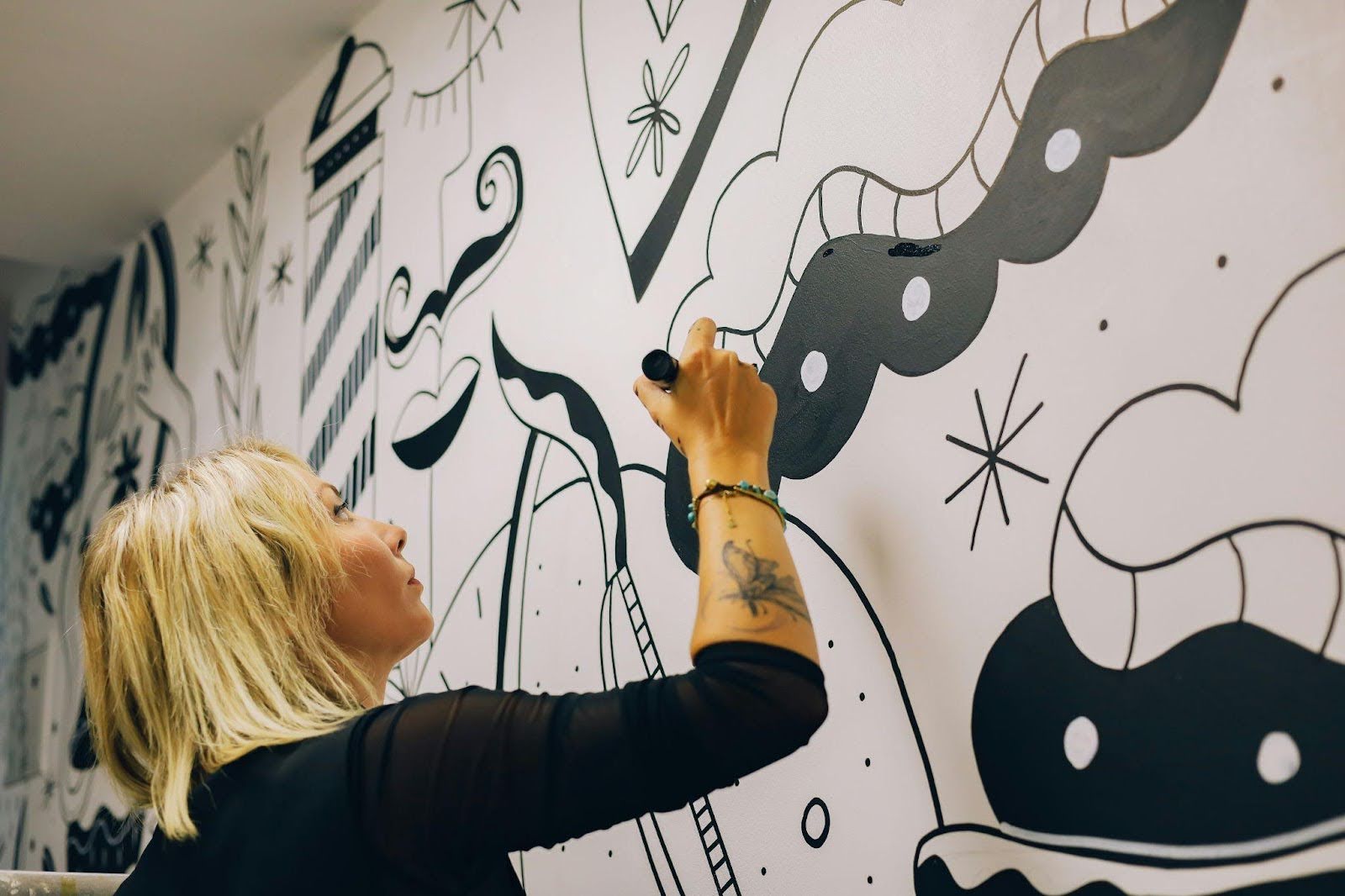
Photo by Tom PREJEANT on Unsplash
Online platforms also support diversified revenue models. In addition to traditional streaming payouts, options such as direct fan support, exclusive releases, merchandise integrations, and connections to crowdfunding services enable artists to generate income in multiple ways. Instead of relying solely on record sales, artists can build sustainable livelihoods through a combination of digital plays, fan patronage, and associated products.
This flexibility allows artists to focus on creativity while exploring financial strategies that reflect modern listening habits.
The role of discoverability and algorithmic exposure
Many online platforms use recommendation systems and algorithmic playlists to help listeners discover new music. While algorithms are not a substitute for craft or community building, they increase the likelihood that music will reach ears beyond an artist’s immediate network.
When combined with thoughtful tagging, relevant metadata, and strategic releases, algorithmic exposure becomes an amplifier. It introduces music to people who might not have found it through traditional channels, expanding an artist’s footprint over time.
Creating a cohesive digital presence
To maximize impact, artists often integrate multiple online channels into a cohesive brand ecosystem. Websites, social feeds, streaming profiles, and direct distribution platforms work together to create a unified experience. Consistent visuals, messaging, and release timing help reinforce the artist’s identity and make it easier for fans to connect with new content.
A strong digital presence not only enhances discoverability but also supports credibility. When audiences encounter an artist who appears polished and intentional online, they are more likely to engage and share.
Navigating challenges and competition
While online platforms offer unprecedented opportunity, they also present challenges. The sheer volume of music being uploaded daily means that standing out demands strategy, persistence, and creativity. Artists must think beyond simply posting a track; they need to consider timing, audience engagement, and ongoing content planning.
Successful artists approach digital platforms the way entrepreneurs approach a business: with goals, metrics, and the flexibility to adapt. Experimentation, learning from feedback, and evolving strategies help artists refine their approach over time.
Why online platforms matter for artists of all levels
From emerging musicians to established performers, online platforms democratize opportunity. They level the promotional playing field and allow artists to take ownership of their brand while reaching listeners in ways that were once impractical or cost-prohibitive.
Industry organizations such as the Recording Academy highlight how digital innovation continues to shape the music landscape, emphasizing that artists who understand and leverage these tools gain a competitive edge in building audiences and careers:
A dynamic toolset for a dynamic art form
Ultimately, online platforms have transformed the way artists interact with audiences, build communities, and shape their careers. By combining direct access, control over presentation, data insights, and engagement tools, modern musicians can craft compelling brand experiences that resonate deeply with fans. As technology continues to evolve, artists who embrace these platforms thoughtfully position themselves to thrive creatively and professionally in an increasingly connected world.