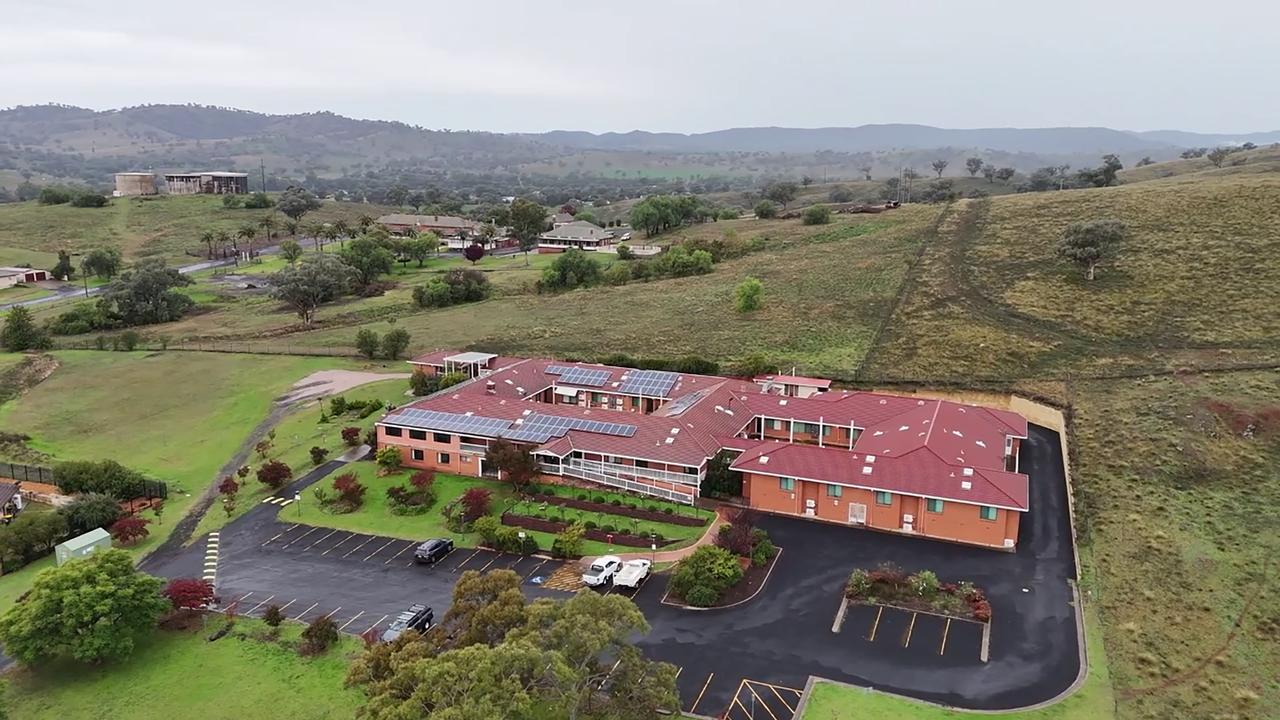
Walking down the street in a small country town, roughly every fifth person you pass is working on a renewable energy project.
The extra 800 workers descending on Wellington, a town of 4000 in central west NSW, poses a pressing question: where will they all live?
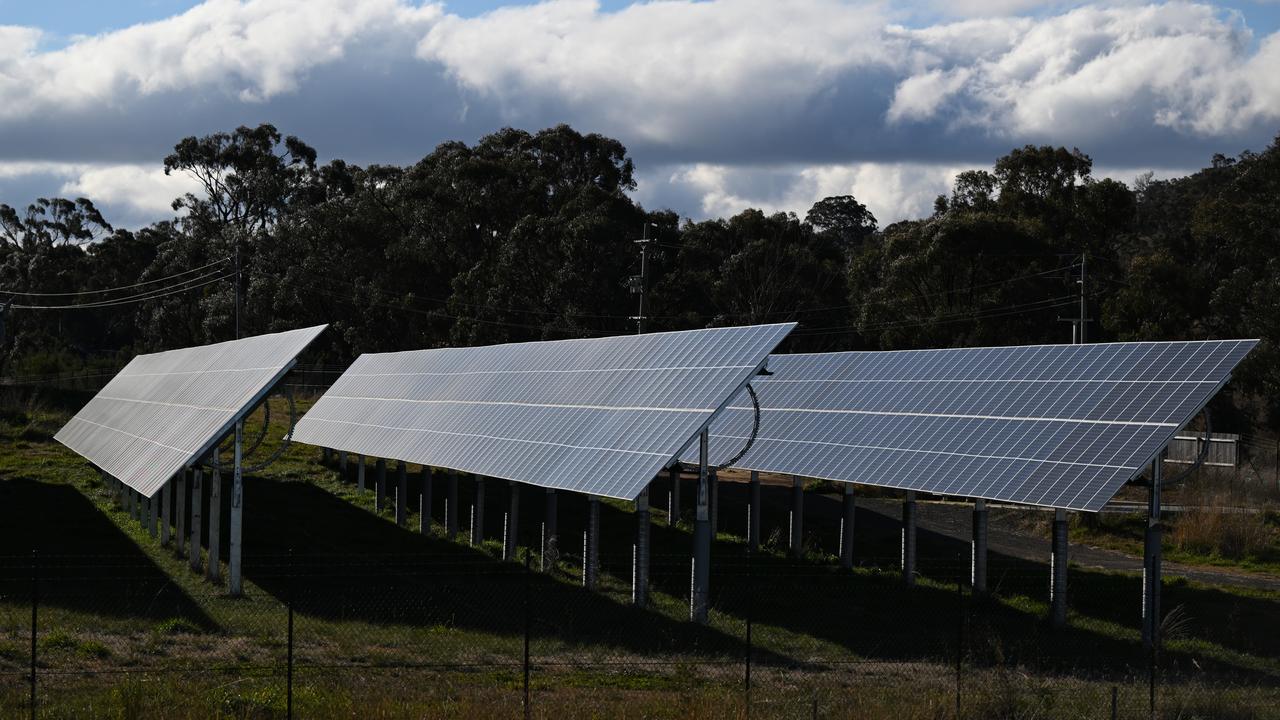
At the centre of a renewables zone and with solar, wind and battery projects under way, Squadron Energy looked to a disused nursing home on a hillside for an answer to Wellington's housing supply.
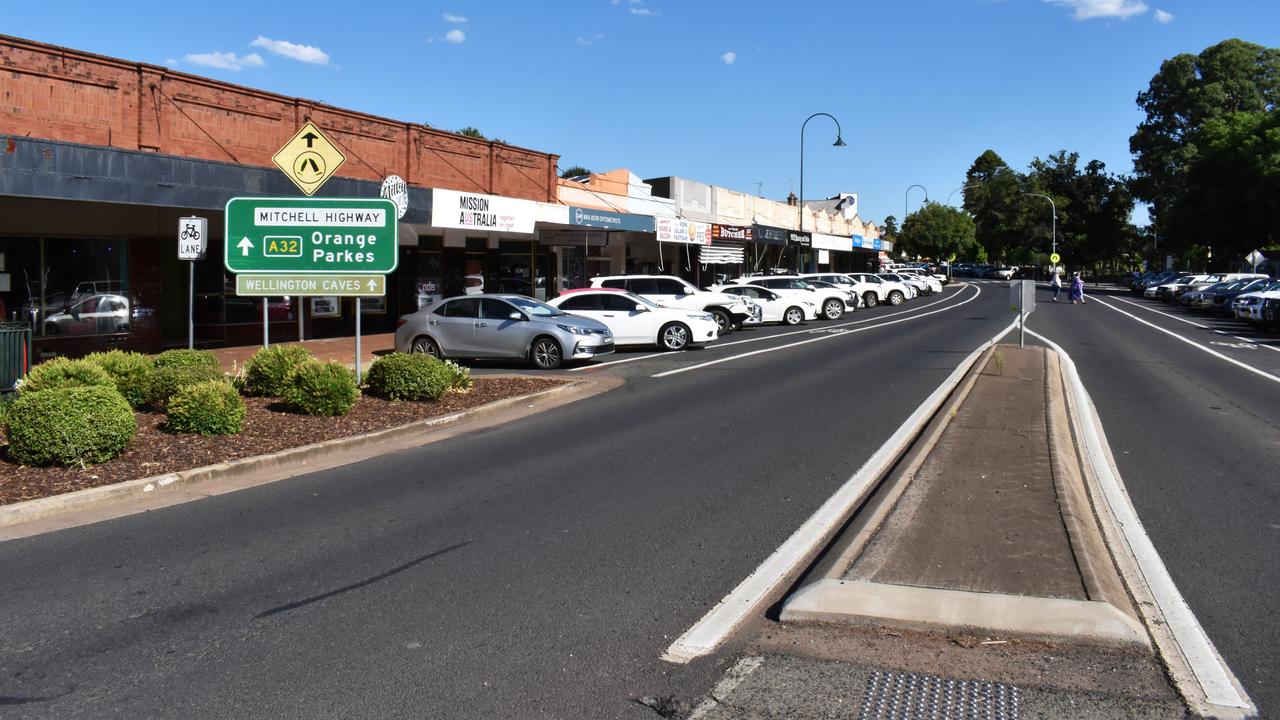
The energy company, which is building the 69-turbine Uungula wind farm in the region, leased the former Bellhaven aged care facility to refurbish and transform it into workers' accommodation.
The 32-room development is being held up as an example of how renewable energy projects across rural Australia can drive housing supply and provide economic opportunities for communities.
Refurbishing Bellhaven supports Wellington by using an existing facility, employing First Nations builders and freeing up local homes, Squadron's Bart Skyes said.
"It's been unoccupied since 2018, so it's eased pressure on the local market," Mr Skyes told a seminar on renewables and rural housing on Tuesday.
"But there's also excitement from locals around what the future of the project will be past the construction of Uungula.
"I don't think it will go unused and there's some legacy there for the community."

The first workers are set to move in from March.
Once the wind farm is complete, the accommodation could be used for social and affordable housing or to support a skilled workforce training centre slated for the Dubbo shire.
The seminar hosted by not-for-profit Re-Alliance, which advocates for a responsible shift to renewables, heard of several innovative housing developments near energy zones in NSW, Queensland and Victoria.
Two villages have been developed in Rockhampton and Gracemere, in central Queensland, using pre-fabricated housing designed for later use as family homes.
Tilt Renewables directed $500,000 for a housing development helping women escape domestic violence, recognising its wind farm in southwest Victoria would put pressure on rural emergency accommodation.
Re-Alliance national director Andrew Bray said meaningful engagement in the renewables planning process boosted the benefits for rural communities.
"The national housing crisis is just as real in rural and regional towns as it is in the cities, and it would be even if there weren't major infrastructure projects coming to a town near you," Mr Bray told the seminar, which drew on the organisation's 2025 report on renewables and housing.
"Of course, renewable energy projects are only some of the projects calling on local housing, with mines, rail and road projects also going ahead.
"So we really saw the importance of making sure that renewable energy projects were part of the solution and not part of the problem."