LOS ANGELES _ With the stroke of a pen, California Gov. Gray Davis signed legislation that gave prison guards, park rangers, Cal State professors and other state employees the kind of retirement security normally reserved for the wealthy.
More than 200,000 civil servants became eligible to retire at 55 _ and in many cases collect more than half their highest salary for life. California Highway Patrol officers could retire at 50 and receive as much as 90 percent of their peak pay for as long as they lived.
Proponents sold the measure in 1999 with the promise that it would impose no new costs on California taxpayers. The state employees' pension fund, they said, would grow fast enough to pay the bill in full.
They were off _ by billions of dollars _ and taxpayers will bear the consequences for decades to come.
This year, state employee pensions will cost taxpayers $5.4 billion, according to the Department of Finance. That's more than the state will spend on environmental protection, fighting wildfires and the emergency response to the drought combined.
And it's more than 30 times what the state paid for retirement benefits in 2000, before the effects of the new pension law, SB 400, had kicked in, according to data from the California Public Employees' Retirement System.
Cities, counties and school districts across California are in the same financial vise. After state workers won richer retirement benefits, unions representing teachers, police, firefighters and other local employees demanded similar benefits, and got them in many cases.
Today, the difference between what all California government agencies have set aside for pensions and what they will eventually owe amounts to $241 billion, according to the state controller.
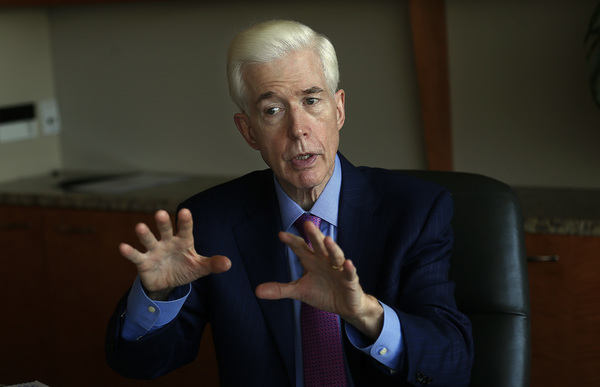
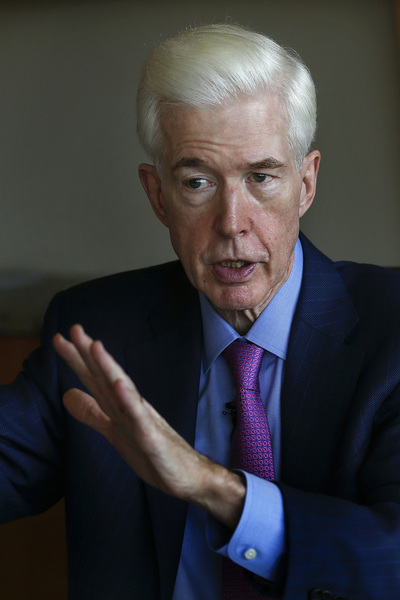
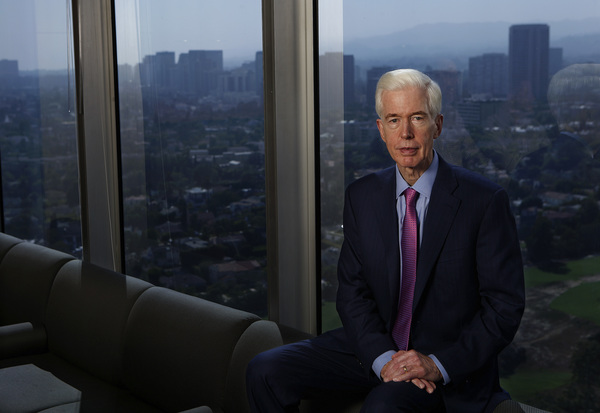
Davis, a Democrat who was elected in 1998 with more than $5 million in campaign contributions from public employee unions, says that if he had it to do over, he would not support the pension improvements.
"If you're asking me, with everything I've learned in the last 17 years, would I have signed SB 400 ... no, I would not have signed it," Davis, now 73, said in a recent interview at his Century City law office.
The law took effect in 2000, and that same year CalPERS investments were hammered by the bursting of the dot.com bubble. Eight years later, the housing market collapsed and the Great Recession set in, putting the pension fund in a deep hole.
CalPERS had projected in 1999 that the improved benefits would cause no increase in the state's annual pension contributions over the next 11 years. In fact, the state had to boost its payments by a total of $18 billion over that period to fill the gap, according to an analysis of CalPERS data.
The pension fund has not been able to catch up, even though financial markets eventually rebounded. That's because during the lean years, older employees kept retiring and younger ones continued to build up credit toward their own pensions. Pay raises and extended lifespans have magnified the impact of the sweetened benefits.
One of the few voices of restraint back in 1999 belonged to Ronald Seeling, then CalPERS' chief actuary.
Asked to study differing scenarios for the financial markets, Seeling told the CalPERS board that if the pension fund's investments grew at about half the projected rate of 8.25 percent per year on average, the consequences would be "fairly catastrophic."
The warning made no discernible impression on the board, dominated by union leaders and their political allies.
"There was no real taxpayer representation in that room," Seeling, now retired and living in a Dallas suburb, said in a recent interview. "It was all union people. The greed was overwhelming."
The enhanced benefits stand in stark contrast to the financial insecurity facing most Americans in retirement. The vast majority of private sector workers have no pensions and very little retirement savings, and will depend largely on Social Security payments, which average about $16,000 per year.
Union leaders say their generous pensions are preserving the middle-class dream of a comfortable retirement.
"People should not have to work their whole life and never be able to retire," said Dave Low, executive director of the California School Employees Association.
"We need to fix the system ... but fixing it doesn't mean taking secure retirements away from the last people who have them."