It has always been hard to break into the museum sector and, like most industries, it has become more difficult in the current economic climate. Even my museum studies MA from Durham is not enough to qualify for organising a museum collection or an exhibition. The key to career success is getting as much practical experience as possible – which often means volunteering.
But even then, how impressive this looks on a CV depends on the extent of your responsibilities. It's not often a museum will trust a student to write the text of the exhibition that they hope will be the biggest heritage event of the year. But this year, I was offered just that opportunity.
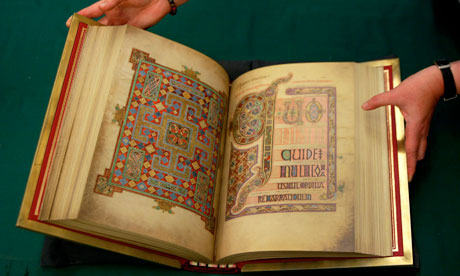
Next summer, the Lindisfarne Gospels will be on display at Durham University's Palace Green Library on a three-month loan from the British Library. The gospels were made to honour St Cuthbert on the small island of Lindisfarne, off the north-east coast of England, in roughly the early eighth century. They remained with St Cuthbert's shrine in Durham until the sixteenth century and are one of the most spectacular early medieval books surviving today.
I was already a volunteer exhibition researcher at Palace Green Library when I was asked to be one of the two text writers for the Lindisfarne Gospels exhibition: an unprecedented opportunity for someone at the start of their museum career, and a very easy thing to say yes to.
I learned that the theory of museum text writing is not always applicable to the realities of what you need to achieve in an exhibition. For example, I was told that captions for the objects would have to be a maximum of 60 words long. "Are you sure?" I asked sceptically. "Aren't we supposed to keep it below 30, or no one will bother to read it?" A week later I was eating those words.
I had written exhibition text before, but never for anything so complicated. A few hundred years after the the book was created, a monk called Aldred translated it from Latin into old English and copied this between the lines of the original book. This is a process known as 'glossing'. How do you explain what 'glossing' is in a 60 word caption when you also have other points to make (it took 38 words just then)? And, with an audience of academic specialists as well as the general public, using an incorrect term is not an option, but neither is to leave it unexplained.
An extra challenge was making sure the exhibition had a coherent story that would make sense to the visitor. We marched through 800 years of history at quite a brisk pace, so it was important to make sure there was a clear narrative.
But aside from developing ruthless text editing skills, I stumbled upon a real fascination with the early Christian heritage of north east England. This took me a little by surprise – my true love was always gender history (and on top of that I am a non-religious southerner). This is the beauty of museum work – you are exposed to new facets of history that you would never have discovered of your own accord.
The month I spent working on the initial drafts of the Lindisfarne Gospels' text made me realise that writing for museum exhibitions is always a compromise between providing your visitors with as much content as possible while also ensuring it remains accessible for an audience with no previous knowledge. Sometimes that means it's necessary to ignore the theory you've spent years learning. But I have now got the confidence in my own writing and editing skills to take on this challenge – and hopefully potential employers will agree.
In the short term however, I need to keep volunteering. Fortunately I can afford to only work part-time at the moment, but for many people volunteering can be a financial challenge. I still have to decide what sort of placement to look for: my Lindisfarne Gospels expirience showed me that I love exhibition work, but I am concerned about specialising so early in my career. At any rate, the main thing is to keep volunteering (if you can afford it), keep applying for jobs, and not give up.
This content is brought to you by Guardian Professional. To get more content and advice like this direct to your inbox, sign up for our weekly Careers update.