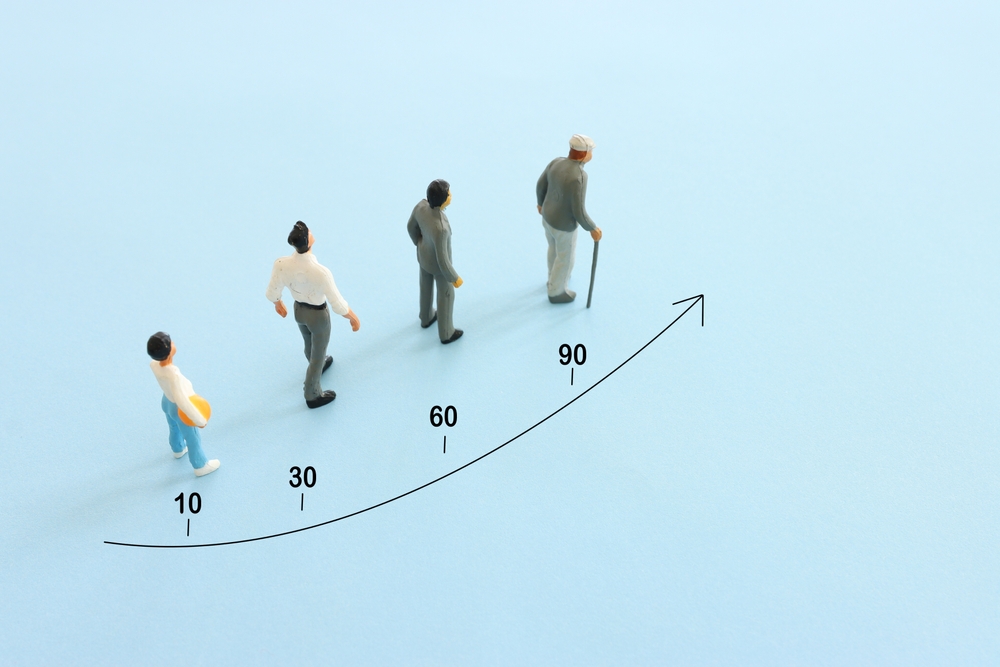
People modify their aging beliefs, which shape their professional conduct, approach to healthcare, and everyday routines. The entire society transforms as people now work longer hours and remain active throughout their retirement years. Medical breakthroughs provide solutions, but human emotional reactions tend to be more powerful than most people anticipate. People today enter their seventies with the same energetic spirit that once defined people of earlier times. The concept reveals new possibilities for senior life by challenging traditional beliefs about aging.
The transformation is important because it determines financial planning outcomes and community development paths, and shows how people want to use their lifespans. The established story no longer holds validity. People now redefine their life purpose through their changing views about aging.
1. Longer Lifespans Reshape Expectations
Lifespan increases alone don’t explain why 70 feels like 50 for many, but they set the stage. More people remain healthy and active well into their later years, and that alters the timeline society once relied on. Retirement at 65 used to signal a slow fade from public life. Now it often marks the beginning of a second or third act.
Changing perceptions of aging shift how individuals prepare for that stage. Instead of counting down to an endpoint, many plan for decades of ongoing activity. That includes work, travel, and personal projects once reserved for earlier years.
2. Health Spans Improve Alongside Lifespans
A key part of the story lies in health span—the years someone lives without major health limitations. It’s rising, and that changes what daily life looks like after 70. Mobility, mental clarity, and energy stay stronger for longer. People build routines that support independence rather than manage decline.
Changing perceptions of aging grow out of these shifts. If someone feels capable, they act capable, and society responds to that energy. Expectations adjust. The benchmark for what “old” means moves further out.
3. Older Adults Stay in the Workforce Longer
The workplace tells one of the clearest stories. Many 70-year-olds continue working—not out of necessity but preference. They want to stay engaged. They carry experience that remains valuable. Modern offices and remote work make this easier, allowing people to work at their own pace while still contributing meaningfully.
This changes how companies view older employees. Instead of seeing retirement as the default, employers see continuity and stability. The shift challenges assumptions about productivity and ability tied to age.
4. Financial Realities Push New Planning Strategies
If 70 is the new 50, financial plans must last longer. Savings, investments, and income streams need to stretch across potentially 30 years of post-retirement life. That changes spending habits and risk calculations. People choose different insurance options. They consider long-term care earlier. They shift from short-term thinking to multi-decade strategies that match longer lives.
This broader planning horizon supports independence. It also gives people the freedom to pursue projects and goals without the pressure of fitting everything into the years immediately after retirement.
5. Social Circles Stay Active and Connected
Social isolation once seemed inevitable in older age. That assumption breaks down when people stay active well into their seventies. They build new friendships, join community groups, and maintain connections across generations. Technology helps, but the motivation comes from a sense of relevance and participation.
These relationships reinforce changing perceptions of aging. Active social lives help maintain cognitive health and emotional stability. People stay rooted in the world rather than stepping back from it.
6. Technology Levels the Playing Field
Technology often seems aimed at younger users, but older adults have adopted digital tools at high rates. Smartphones, telehealth, and online learning platforms open doors that were once closed as people aged. Information becomes accessible. Services arrive without physical travel. Work-from-home jobs stay within reach.
With those tools, 70-year-olds maintain independence that the previous generation lacked. That independence shifts how they see themselves and how others see them. Age becomes less about limitations and more about choices.
7. Fitness and Movement Become Lifelong Habits
Exercise no longer targets only the young. People in their seventies spin, swim, hike, lift weights, or take long walks nearly every day. Movement keeps bodies flexible and minds sharp. A routine like that reshapes self-image. Instead of slowing down, people build strength.
These habits reinforce the broader trend. When someone feels strong, the idea of being “old” feels irrelevant. The body sets new expectations, and society eventually follows.
8. Purpose Extends Across More Years
A sense of purpose shapes mental and physical health. For many, later life now provides greater purpose than earlier decades. People mentor others, build businesses, care for family members, or commit to volunteer work. They start creative projects. They study subjects they once put aside.
Purpose drives engagement. Engagement supports health. The cycle keeps people active and grounded, pushing changing perceptions of aging forward.
Identity in a Longer Life
People transform their age-related beliefs, leading to new ways to define themselves. People across age groups develop distinct personal identities that differ from those of their ancestors. People today understand that age 70 brings fresh opportunities along with vitality and drive, which society used to consider impossible. People now view aging differently, enabling them to make positive changes in their lives.
What changes have occurred in your perspective on aging regarding your personal beliefs?
What to Read Next…
- The True Cost of Using Doordash for Senior Care Errands
- How Homeowners Associations Are Targeting Retirees With Fines
- 7 Retirement Perks That Come With Shocking Hidden Costs
- Why Are So Many Seniors Being Sued Over Student Loans They Didn’t Take Out?
- 9 Reasons Boomers Are Now Facing Eviction at Record Levels
The post How 70 Is the New 50: Changing Perceptions of Aging appeared first on The Free Financial Advisor.