Houthi militias, backed by Iran, have upgraded their pro-starvation policy exacted on Yemen’s war-ravaged population by issuing a series of unconstitutional decisions that include unsolicited religious tariffs.
After already having withheld the salaries of civil servants in their territory, Houthis have hiked Zakat al-Fitr rates collected by coupists from 300 Yemeni rials to 500 rials per person.
For Muslims, Zakat al-Fitr is a mandatory charity taken for the poor few days before the end of fasting in the Islamic holy month of Ramadan.
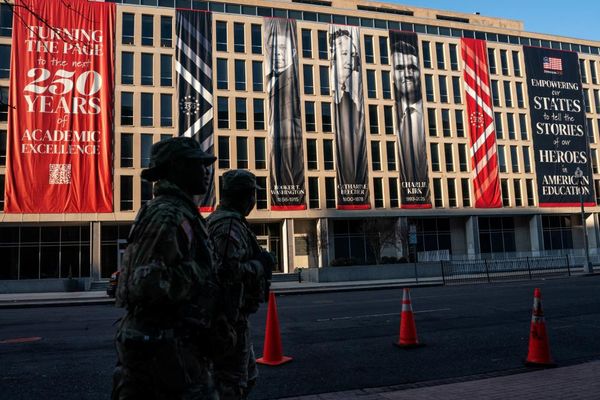
Banners bearing slogans that urge anguished civilians to pay the charity to collectors sent by a recently established Houthi center, dubbed Zakat Commission, flooded streets in Sanaa.
Next to flyers and banners, Houthis promoted the newly formed body also through social media campaigns.
Locals in Sanaa and other Houthi-run areas decried the Houthi Zakat commission as unofficial and categorically rejected all its services.
As for increased rates Yemenis said they were unfair and illegitimate, adding that it is part and parcel of a Houthi campaign designed to gather funds to finance their war efforts and armed mobilizations.
Several Sanaa locals, speaking to Asharq Al-Awsat under conditions of anonymity for security reasons, blamed Houthi insurgents for dragging Yemen through the mud and leaving it to myriad chaos that is difficult to unfold.
Other than staging a nationwide war effort, Houthis continue to tank the country’s already ailing economy by pillaging state institutions and resources.
A recent study published by the Future Center for Yemeni Studies and Research confirmed that Houthis have diversified their income making activities. The group, next to raiding public centers, has been belligerent in exploiting religious endowments paid by devotees.
Every Ramadan, Islam’s holy month of fasting, Houthis have doubled zakat rates in areas under their control. Despite the charity being collected for the poor, no signs of improvement of dire humanitarian conditions were cited in Houthi areas.
Yemeni Activists, state institutions and legal bodies, for their part, urged civilians in coup-controlled areas to stand up to militias and reject dealing with any Houthi-fangled authority.