HOUSTON _ The boys sprint in white and yellow uniforms down the green turf, grunting and sweating as the coach shouts from the sidelines. "Buscalo, buscalo," he yells in Spanish, urging the players to sprint for the ball.
"Umusitari!" comes a voice on the sidelines _ run down the line _ from Biganiro Espoir, a native of the Democratic Republic of Congo.
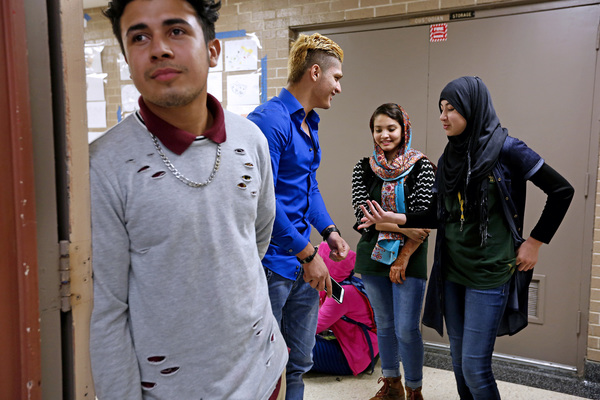
The Margaret Long Wisdom High School soccer team hails from Central America, Mexico, Africa and points between. Its bench hums with Spanish, Kinyarwanda, Swahili and often English. But its real unifying language _ soccer, played hard _ is universal.
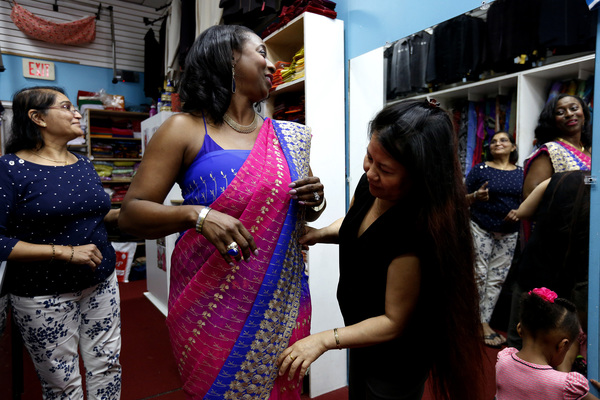
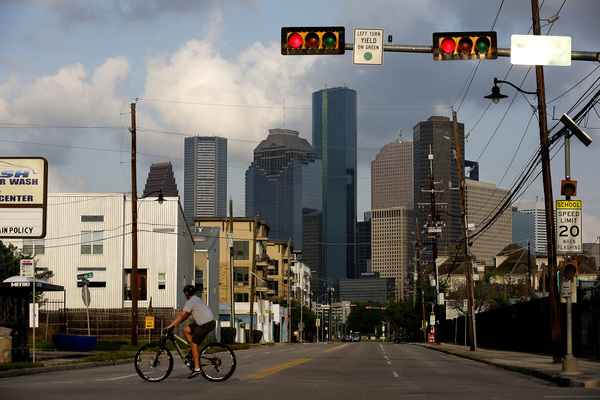
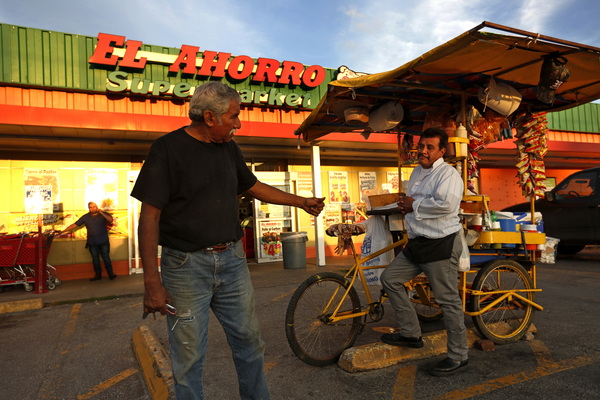
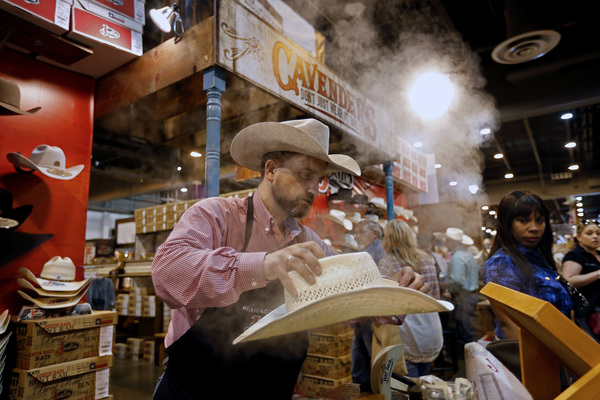
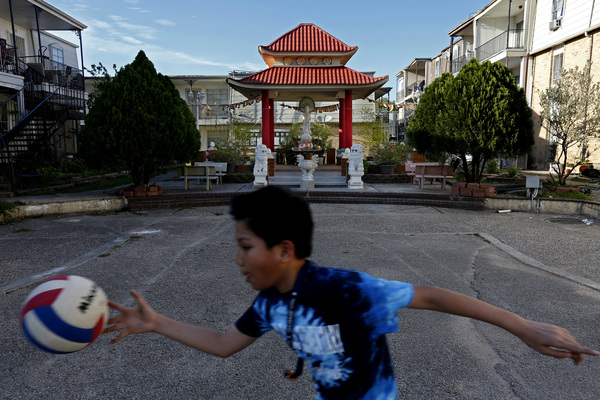
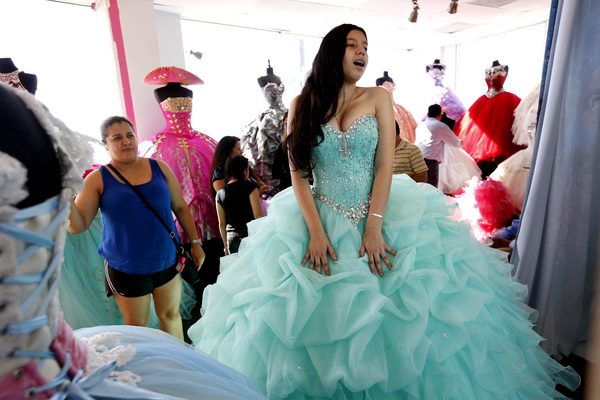
The high school is in southwest Houston, a city whose stunning growth and high-volume immigration has turned it into the most racially and ethnically diverse major metropolis in the country, surpassing New York in 2010.
"It's really surprising to see a place like this in the South, where you consider it to be racist and xenophobic," said Michael Negussie, a Wisdom High School senior from Ethiopia. "Stereotypes of Texas don't apply here."
Of course in some ways they still do. Houston _ with a black, Democratic mayor and a powerfully pro-immigrant population _ has potentially become one of the battlefronts in Texas over the city's "don't ask" policy, which prohibits police from inquiring about the immigration status of a person who hasn't been arrested.
Texas Gov. Greg Abbott has led an aggressive charge to end such policies, and on Sunday signed a bill to punish so-called sanctuary cities.
Under the new law, set to take effect Sept. 1, local law enforcement officers are allowed to ask people about their immigration status during a lawful detention, even a routine traffic stop. Local entities that prohibit enforcement of immigration laws could be fined up to $25,500 a day.
The sanctuary issue has roiled Texas, which has the country's longest border with Mexico and an estimated 1.5 million immigrants who are in the country illegally. Much of the debate has focused on liberal islands such as Austin, where the governor has blocked $1.5 million in funding over sanctuary policies. In Houston, Mayor Sylvester Turner has balked at ordering his police officers to take on the role of U.S. Immigration and Customs Enforcement agents in carrying out immigration laws.
"What I've consistently said is that we will obey federal and state laws as long as those federal and state laws are consistent with the United States Supreme Court," Turner said in an interview, "and consistent with the United States Constitution."
The story of how his city turned from a town of oil industry roughnecks and white blue-collar workers into a major political centrifuge for immigration reform, demographic analysts say, is nothing less than the story of the American city of the future.