More Canberrans are citing housing unaffordability as the reason for seeking homelessness support, while support organisations are increasingly supporting people for longer periods, new data shows.
ACT Shelter's analysis of recently released data from the Australian Institute of Health and Welfare found the number of people seeking help from specialist homelessness services in the ACT due to housing affordability stress more than doubled between July 2017 and March 2026.

"While reasons for seeking support fluctuate over time, housing affordability stress has increased steadily since 2017, overtaking all other categories from 2023 onwards to become the most commonly identified reason," the organisation's report said.
"This reflects the growing impact of housing costs on Canberrans on lower incomes."
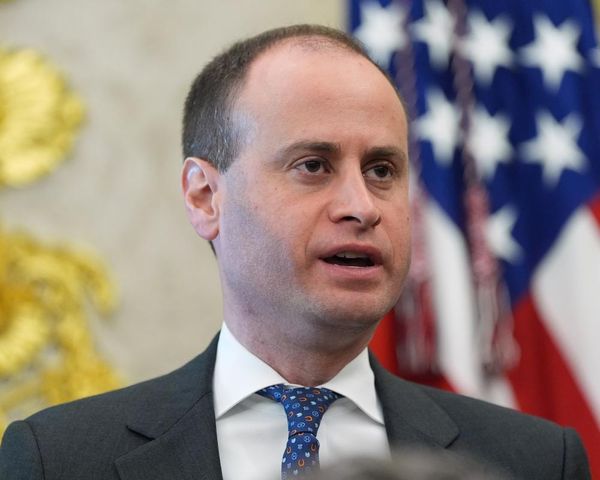
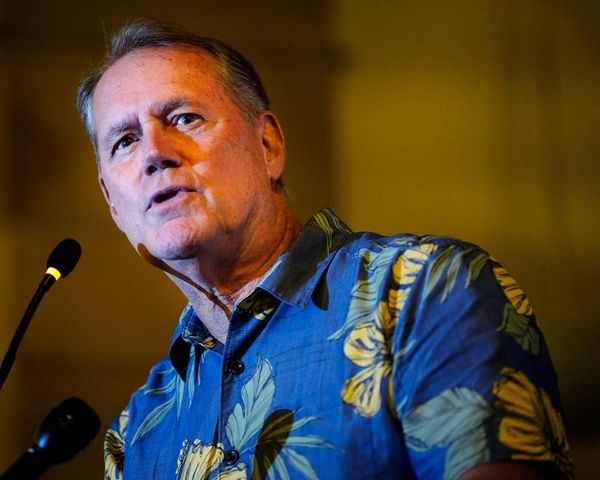
ACT Shelter chief executive Corinne Dobson said the ACT's frontline homelessness services were also being asked to help more people with more complex needs for longer, with a shrinking supply of housing to move people into.
Analysis revealed while the annual number of people receiving housing support had fallen 25 per cent since 2011-12, monthly client numbers had grown in 2026 as people were requiring support for longer periods.
ACT clients were supported for a median of 117 days in 2024-25, compared to 58 days nationally.
"Our homelessness services are increasingly occupied by people who have nowhere affordable to move on to. That creates bottlenecks throughout the system, leaving fewer places for people newly facing homelessness," Ms Dobson said.
"Crisis services are carrying the weight of a housing system that isn't delivering enough affordable homes."
Ms Dobson recently warned that hundreds of new homes announced in the 2026-27 ACT budget would do little to reverse a long-term decline in the territory's public housing numbers.
While making up a smaller proportion of support seekers, monthly service data revealed a "striking increase" in the number of older people within the ACT homelessness system.
The proportion of people aged 65 and over requiring support almost tripled between mid-2018 and early 2026, increasing from 1.6 per cent to 4.4 per cent of the monthly caseload and far exceeding general client growth of 23 per cent over the same period.
Growth has been particularly pronounced among older women at 365 per cent, the analysis noted, although the number of older men had also increased substantially by 180 per cent.
About one in five, or 19.1 per cent, of people seeking assistance from specialist homelessness services in the ACT were also in paid employment, the highest proportion of any Australian jurisdiction in 2024-25. The national average is 15.9 per cent.
The report concluded that high housing costs were placing even working Canberrans under severe financial pressure.
On Tuesday, August 4, Ms Dobson called for the deaths of homeless people to be reportable under the Coronial Act, to ensure the accurate recording of mortality data.
She argued mandatory coronial reporting would not require every death to proceed to an inquest, but would ensure homelessness mortalities were identified, recorded and examined where relevant, allowing systemic patterns to be identified and future deaths prevented.