The American housing market has thrown a curve ball - in a good way - and experienced a bump in listings this month after fears that economic and geopolitical conditions could slow the market.
New listings of homes for sale, which indicate how active the market is, rose 8.7 percent from March to April, and 1.1 per cent year-on-year, according to new data from Realtor.com Thursday.
The encouraging sign came after concerns in the real estate industry over how plummeting consumer confidence, rising gas prices and the Trump administration’s Iran war would impact the housing market.
“The hope was that sellers would continue coming to market at the strong March pace, and that buyers would keep engaging despite the volatility,” Realtor.com chief economist Danielle Hale said. “By those measures, April delivered.”
While the market appears to be weathering broader economic woes, the median house listing price dropped for the sixth consecutive month, indicating that sellers are still willing to lower prices to attract buyers, the research found.
While listings were up nationally, growth varied by region and city. The Northeast saw the biggest jump in new listings year on year, rising 9.4 percent, according to Realtor.com. The West saw the biggest drop, with new listings falling 3.5 percent compared to April 2025.
Midwest metros were the top five markets for growth in April:
- Indianapolis/Carmel/Greenwood, Indiana, (21.1 percent)
- Louisville/Jefferson County, Kentucky/Indiana (19.2 percent)
- Columbus, Ohio (18 percent)
- Milwaukee/Waukesha, Wisconsin (14.3 percent)
- Cincinnati, Ohio (13.7 percent).
The Indianapolis area has shown signs of growth beyond the housing market. It was named the fastest-growing metro area for small businesses by lender BlueVine in December 2025.
The areas seeing the biggest year-on-year drop in new listings were:
- Austin, Texas (-13.5 percent)
- Denver/Aurora/Centennial, Colorado (-12.6 percent)
- Orlando/Kissimmee/Sanford, Florida -(9.0 percent)
- Las Vegas/Henderson/North Las Vegas, Nevada (-8.8%)
- Jacksonville, Florida (-8.1 percent).
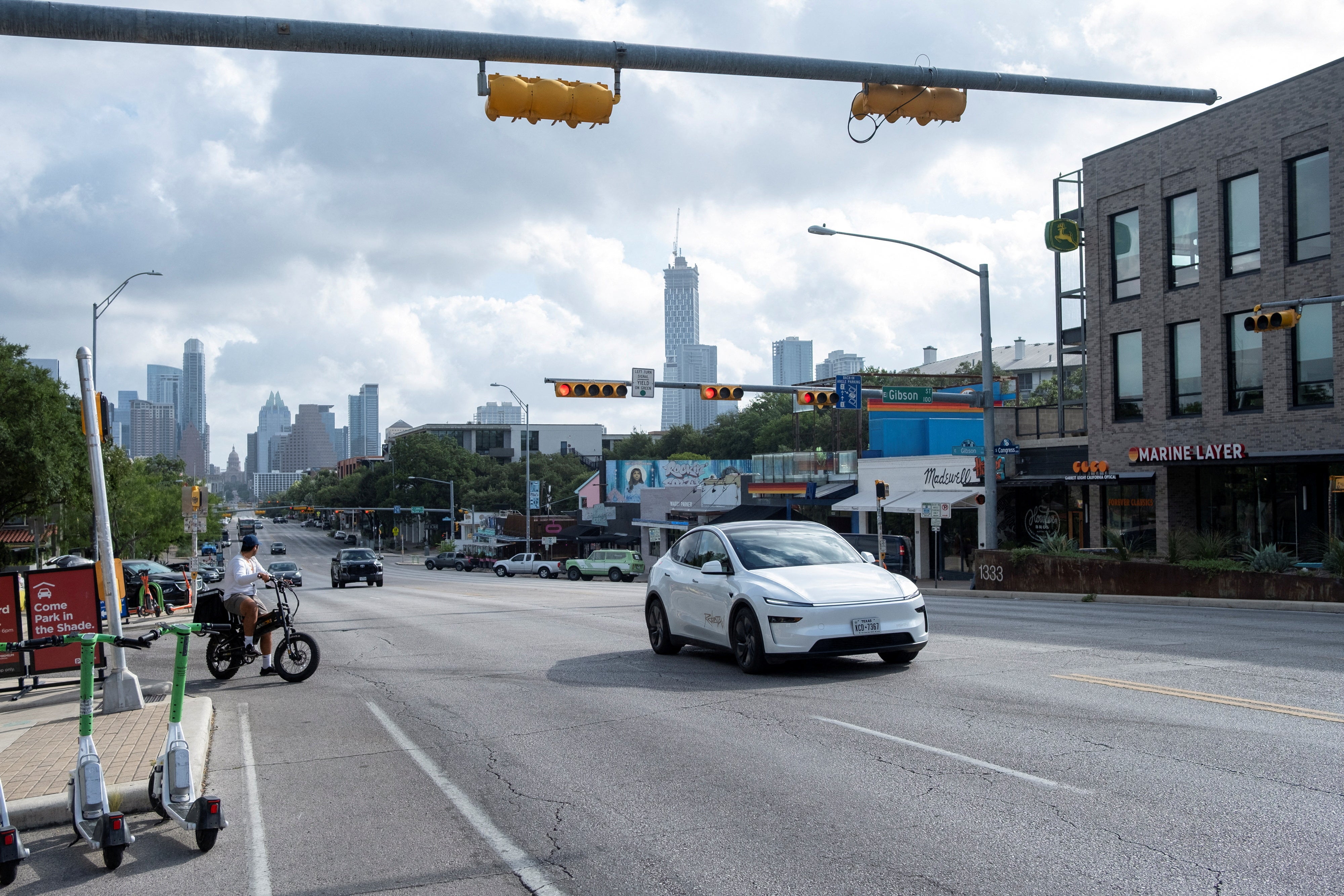
Austin’s housing struggles have been well-documented. Prices and new listings plummeted this year since a boom from the start of the pandemic. Some 337,500 new residents moved to the Texas city in the last five years, according to the Austin Business Journal.
Austin’s housing price index, which measures home prices relative to a specific date in the past, shot up 60 percent from 2020 to 2022 to reach all-time highs but then fell 11 percent by the end of 2025, according to the Federal Reserve Bank of St. Louis data.
The U.S. housing market isn’t on safe ground yet, though. If mortgage rates continue to climb and the economy gets more unstable, it could cause new listings to decline, a sharp drop in home prices and more contract cancellations during closing, Realtor.com said.