Houses in the clouds: Sou Fujimoto's best buildings
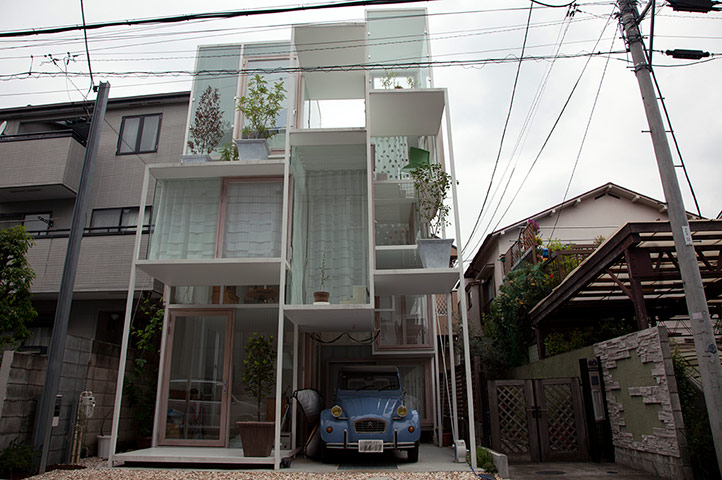
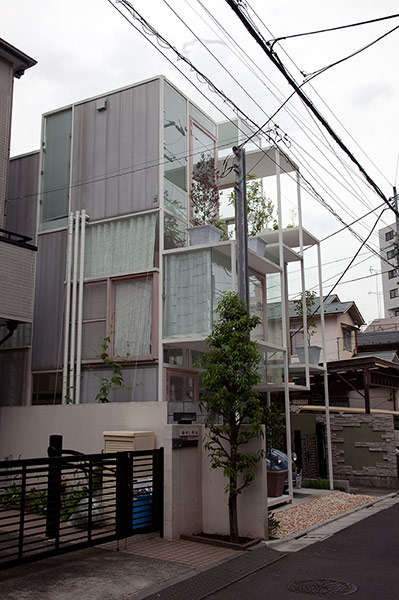
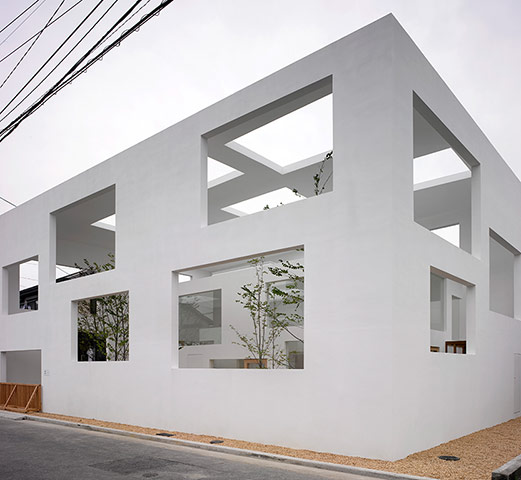
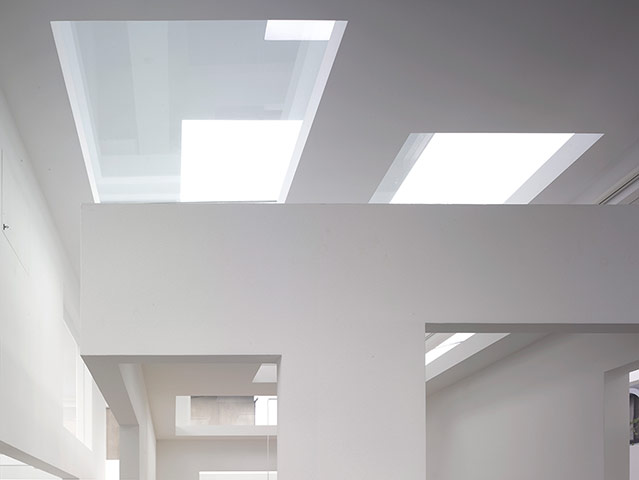
The transparent House NA designed by Fujimoto in a residential area of Tokyo, Japan: 'an inhabitable climbing frame' … 'not suitable for anyone shy or retiring,' according to critic Rowan Moore. Photograph: Rodrigo Reyes Mar/AFLO/Nippon News/CorbisHouse NA in Tokyo. Fujimoto says: “It is like living in a tree: you can choose branches here and there where you can do different things. People can gather together or they can stay on different branches and chat.” Photograph: Rodrigo Reyes Mar/AFLO/Nippon News/CorbisN House, in the town of Oita, Japan, was built for a couple in the sixties and their dog. Fujimoto calls it “a box within a box with a box”. Photograph: Edmund Sumner/Universal Images Group
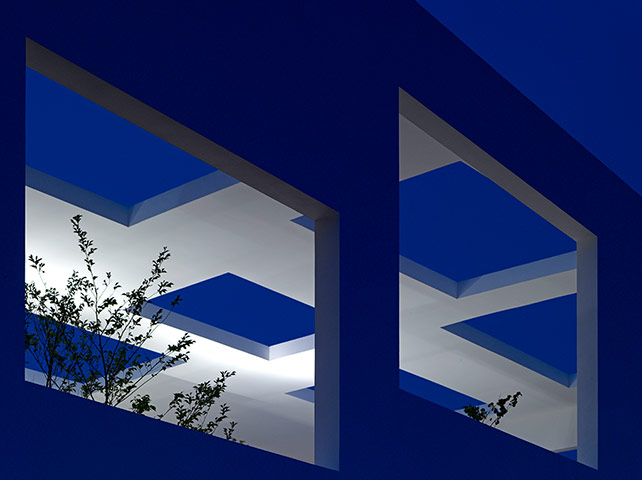
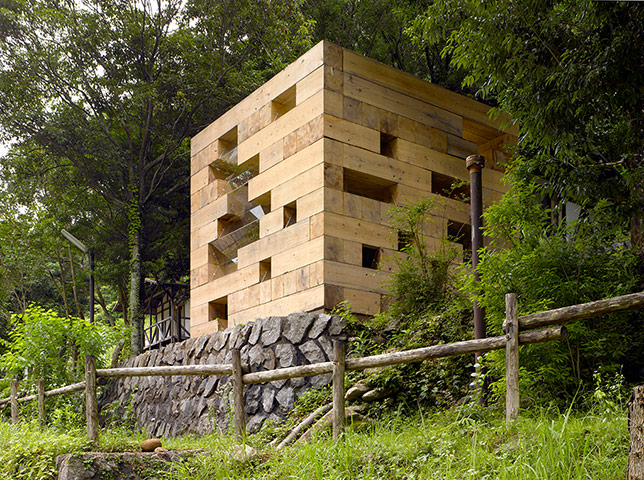
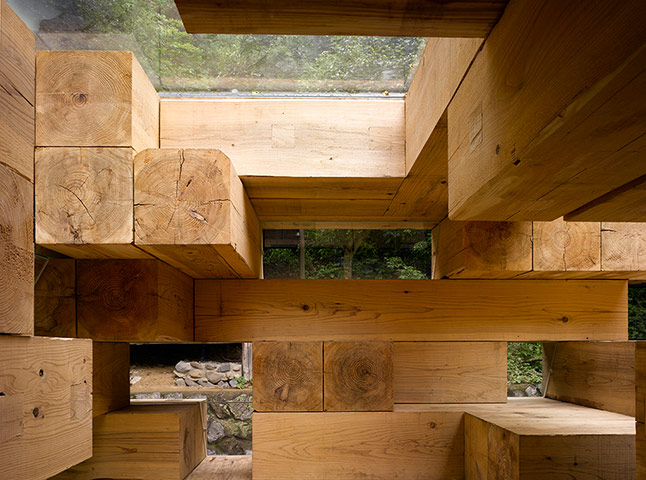
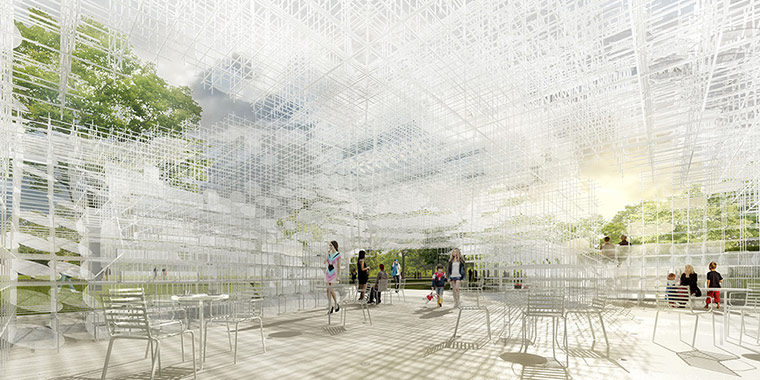
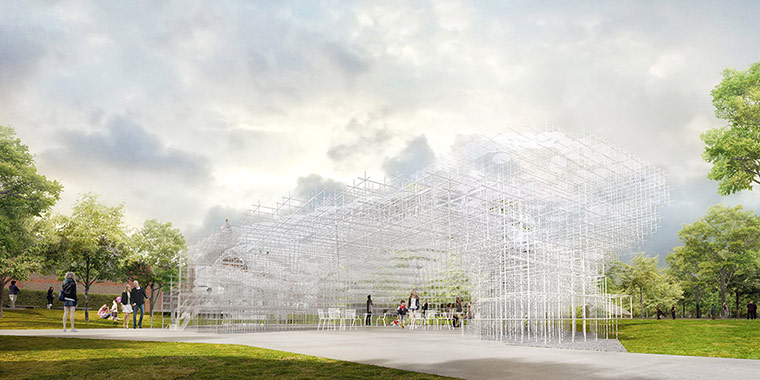
The N House, Oita, Japan: garden at night. Subtle lighting helps blur the boundary between interior and exteriorPhotograph: Edmund Sumner/Universal Images GroupN House, Oita, Japan. Each of its layers is perforated with rectangular openings, so inside and outside overlap, and the actual line between house and garden becomes indistinct. Photograph: Edmund Sumner/Universal Images GroupOne of Fujimoto's first projects, the Final Wooden House of 2008, was made from a simple stack of timber beams, creating a series of nooks and hollows where "inhabitants discover, rather than being prescribed". Photograph: Edmund Sumner/Universal Images GroupThe unfurnished interior of the Final Wooden House, Kumamoto, Japan.Photograph: Edmund Sumner/Universal Images GroupFujimoto's design for the Serpentine gallery pavilion. Observer architecture critic Rowan Moore describes it as "a lattice made of skinny steel poles that will appear to hover over the ground." The aim is “not to create a building but to create a place”.Photograph: Sou FujimotoFujimoto says the Serpentine pavilion will “have a small scale that fits to human bodies, soft and ambiguous, with a nice co-existence of order and disorder”. Photograph: Sou Fujimoto
Sign up to read this article
Read news from 100’s of titles, curated specifically for you.