While the House speaker does not have a formal role in certifying the presidential results, their presence is crucial for the chamber to be called into session to count the electoral votes and finalize the win. In the absence of a speaker, the House is limited in its actions, only able to vote to elect a speaker, recess, or adjourn. Lawmakers cannot be sworn in or establish House rules without a speaker in place.
During the House's previous speaker-less situation in 2023, a temporary leader, Rep. Patrick McHenry, assumed the role of speaker pro tempore after former Speaker Kevin McCarthy was removed. However, in the upcoming 119th Congress, a speaker must first be elected before appointing a pro tempore.
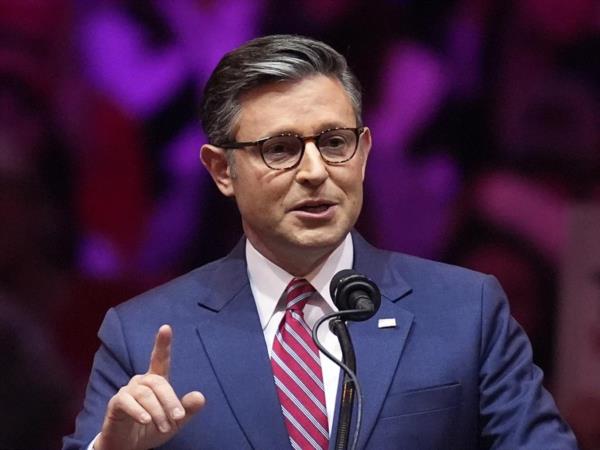

Some experts suggest that the House could elect a temporary speaker to oversee the certification process before selecting a permanent leader. Privately, some Republicans are exploring ways to navigate procedural challenges to certify Trump's win without a speaker. One proposed option involves allowing the House to vote for a special session as an 'emergency break glass' measure, although this may face resistance from traditionalist Republicans.
Another idea circulating in Washington is to potentially delay the certification of President-elect Donald Trump's election. While the Constitution does not specify January 6 as the mandatory certification date, as long as the process is completed before the inauguration on January 20, there is flexibility in the timeline.