Everyone wants to improve hospital food – and the good news is that new government standards are expected to make a difference to the quality of food patients are given.
But while hospitals may take care to ensure food is nutritious and tasty when it leaves the kitchen, there’s another problem to tackle – which is what the food is like by the time it reaches the patient. Is it still hot? Is it attractively presented, or has it just been slopped onto the plate? Are mealtimes interrupted by the daily drugs round? Andy Jones, chairman of the Hospital Caterers Association (HCA), says: “No caterer goes out to provide poor food, but a lot of the time, the problem is that when it arrives on the ward it’s left around or served incorrectly by the catering staff.”
That part of the food journey – what’s become known as “the last nine yards” – is particularly important because patients may already have a poor appetite. Being served a plate of lukewarm grey mush or a sandwich curling at the edges is the last thing to encourage them to eat. As Lee Sheppard, director of public policy and external affairs at apetito, points out: “The nutritional value of food left uneaten is nil.”
While some hospitals have developed good practice, others have struggled. Anne Donelan, a retired dietitian who worked both for the health service and an NHS food supplier, says: “The food can leave the kitchen absolutely fine. It’s the whole of the food journey right up to the patient eating it [that’s the problem] – there’s just too much variation in practice.” Donelan has visited many hospitals and says there can even be variation in the same hospital: “You can go across a corridor in a hospital and it’s like chalk and cheese between two wards.”
But work is afoot to change all that. After the Food Standards Panel completed its report last year, NHS England set up a nutrition and hydration working group, which is looking at improving the way food is served in wards. The HCA has created its own group dedicated to the last nine yards.
apetito is keenly aware of the importance of presenting food in an appetising manner, and in many hospitals its role extends far beyond being a food supplier. Its team of training and operations managers act as catering consultants for the hospital, explaining to staff how to keep food hot and present it attractively. At Musgrove Park hospital in Taunton, for example, it has worked with staff to make sure that the food is served and presented in the most appetising way.
Sheppard says there needs to be more collaboration between the kitchen staff and the serving staff. Catering departments work hard to create nutritious and delicious meals and he would like to see a better joined up approach between catering and ward staff who serve the patients. One proven way of tackling that, Sheppard says, is to create a food committee that has representatives from both sides, and that can meet with patients once a month to discuss improvements.
It’s also about tackling the logistics of making sure that food is still hot by the time it reaches the patient. Sometimes the kitchen is a very long way from the wards, so apetito uses a system called “cook-freeze”, which means that its meals can be cooked in mobile ovens just before they reach the ward. The food can then be served to patients at just the right temperature and optimum quality.
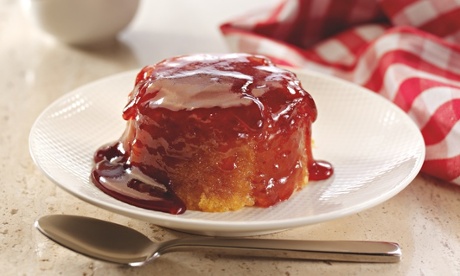
Then there’s the question of how the food is presented on the plate. Sheppard has run plate presentation training, in which participants compete to create a meal and present it beautifully on the plate – followed by a lesson in the basics, such as using the “clock” method of presentation. Simple things like adding a garnish can transform a meal, he says.
Everyone involved in a patient’s care needs to understand the importance of nutrition for patients. Those serving the food need to be trained to present it well, but healthcare professionals and catering staff need to work together to find the best system to ensure food reaches every patient in the same way it left the kitchen.
Donelan says: “The key thing is getting it safely and securely served to a patient with help, encouragement to eat, and not slamming it down and then taking it away because it hasn’t been eaten.” Some hospitals, she says, keep food charts at the end of the bed, so that health professionals can see how well patients are eating.
Protected meal times – making sure that meals are not interrupted by nurses administering drugs, for example, or doctors on their ward round – can also play a part in making mealtime a more enjoyable experience. On the other hand, says Sheppard, visitors should not be excluded – sometimes a family member can play a vital part in encouraging a patient to eat.
Tackling the last nine yards is harder than improving nutritional standards, because there is so much variation in practice. But it’s essential to get it right, Sheppard argues: “Food is a crucial part of recovery. It’s not just a task to get through the lunchtime service. It’s a key part of the patient’s care package.”
Content on this page is paid for and produced to a brief agreed by apetito