The government believes that the current third COVID-19 state of emergency has had some effect in containing the flow of people. Even so, it has been forced to extend the state of emergency due to the spread of highly infectious virus variants and "corona fatigue" among the public. In order to break the deadlock, the government is pinning its hopes on the vaccination of the elderly population.
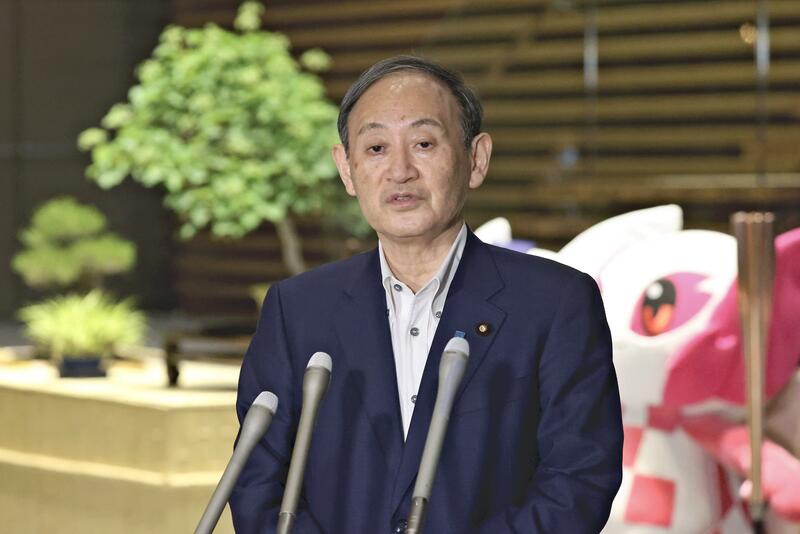
"The number of people going out is clearly decreasing. The state of emergency is having an effect," Yasutoshi Nishimura, the minister in charge of coronavirus measures, said Wednesday evening at the Prime Minister's Office while Prime Minister Yoshihide Suga listened intently along with other ministers.
The latest state of emergency was initially scheduled to last 17 days. It is said that two weeks are needed for the effects of the measures to be felt.
According to an official, the government acknowledged the possibility that the duration was "too short." To compensate, it implemented stronger measures, requesting a wide range of industries to suspend operations to curb the flow of the people during the Golden Week holidays.
However, the number of novel coronavirus cases has not decreased as much as expected. Nishimura called for an extension of the state of emergency at a meeting of relevant ministers on Wednesday. "There are still many things that can be done," said Nishimura, who was prepared to take stronger measures.
However, several ministers opposed the proposal. "If we continue with the emergency, businesses will face difficulties. They are screaming out," a minister said. In the end, the decision was postponed.
After dwelling on the issue, Suga decided on a "compromise plan" to extend the state of emergency while relaxing some of the measures.
There is no certainty that the extension will lead to a reduction in cases. There is even a possibility of cases rebounding when the flow of people increases due to the loosening of measures. "It's a headache," Suga reportedly bemoaned.
The government hopes the elderly vaccination program set to start in earnest nationwide on Monday will be the key to overcoming the situation. "Once the elderly are inoculated, the numbers of seriously ill patients and deaths will go down drastically, changing the landscape," a government source said.
Putting his back to the wall, Suga announced that the vaccination of the elderly will be completed by the end of July. He has been directly contacting heads of local governments to ask them to bring forward their inoculation plans, according to sources.
Of the 1,741 municipalities in the country, as of April 28, only about 60% were expecting to complete the inoculation of elderly residents by the end of July. "We need to make municipalities compete with each other for swift vaccination," a Liberal Democratic Party lawmaker close to Suga said.
Read more from The Japan News at https://japannews.yomiuri.co.jp/