Kelvin Davis says the latest damning report into Oranga Tamariki, and the Government's plans for an overhaul in response, represent "generational change". Some on the front lines are less sure, with the coming months a test of whether the Crown can walk the talk on devolving to Māori.
Even if the latest report into Oranga Tamariki contained little in the way of surprising revelations, its words would have stung nonetheless.
The ministerial advisory board tasked by Children's Minister Kelvin Davis with assessing the ministry's culture and processes found a “self-centred” organisation with weak systems, failing to properly engage with Māori and too easily blown off course by unexpected events.
Its solutions – a greater role for Māori and more emphasis on professional development for social workers, among other recommendations – would also be no shock to those who had followed the results of prior inquiries into the care and protection system.
So can this report result in meaningful change where previous inquiries had not?
Speaking to Newsroom, Davis was confident that would be the case, citing the Government’s commitment to devolve more decision-making and resources to Māori as the catalyst for irreversible change.
“Once we let the cat out of the bag, communities won't accept being dictated to anymore by governments: once Māori just see exactly what we can achieve together in a true equitable Treaty partnership like that, no one will want to go back, and that’ll hold us to account as well.”
While Oranga Tamariki had “pepper-potted these little agreements all around the country” with iwi and Māori organisations, the contestable funding model on which they were based had not allowed for a sufficient assessment of how to best meet the needs in particular areas – an approach which served nobody well.
"A Māori- and community-based system is about sitting down and having conversations and forming relationships, and instead of Oranga Tamariki saying, ‘Well, we're the centre of power and we can invite people in, it's like, ‘No, we're just part of the community helping’.”
Such shortcomings were identified by the advisory board, which said Oranga Tamariki had “no strategy to partner with Māori and the community”, as well as by the Waitangi Tribunal in its own inquiry.
The tribunal recommended the creation of a new Māori authority, a proposal not put forward by the board and which Davis did not believe was necessary.
Instead, he was confident Oranga Tamariki’s culture could be changed to meet the community’s needs – not by Māori fitting into “Fortress Oranga Tamariki”, but by the Crown adapting to the needs of Māori.
“I think we over-complicate things, because really, a Māori- and community-based system is about sitting down and having conversations and forming relationships, and instead of Oranga Tamariki saying, ‘Well, we're the centre of power and we can invite people in, it's like, ‘No, we're just part of the community helping’.”
He was hopeful the latest report could “draw a line in the sand” after the constant stream of reports and reviews into the ministry, allowing both it and the Government to forge ahead with meaningful reform after
“This is generational change, this is systemic change and it's – you know, it's always been thrown at me ever since I got into politics, you'll never be able to change the system, and I beg to differ.”
But some of those at the front lines of the care and protection system are less confident that Davis will be able to succeed where others have tried and failed.

Midwife Jean Te Huia, who fought against the controversial 2019 attempt to uplift a newborn Māori baby in Hastings, told Newsroom she agreed with the report’s recommendation of empowering communities for a collective response, but was less sure of how that would be achieved.
“Some of the needs of whānau are basic, like housing, adequate education and employment so they’ve got something to aspire to and are not simply living off benefits but really having a meaningful life and meaningful existence...
“There’s going to be a lot put on the shoulders of these Māori providers, and no amount of money thrown at community providers is going to solve this problem.”
Te Huia said there was nothing new in the board’s findings, which mirrored previous reports like 1988’s Puao-te-Ata-tu where clear directions for success had been provided but not followed more than three decades on.
“As many reports as I’ve read – and I’ve read them all – they all show intent but whether or not that ends in outcomes is a different story ... the time for report writing is over, now is the time for doing."
Vivienne Martini, a former Oranga Tamariki development trainer and long-time social worker, told Newsroom she was pleased with the recommendations to upskill staff which followed years of neglect by ministry officials.
“We need bold, visionary and committed leadership to actually make [these changes] happen – otherwise it will just be yet another report full of aspirational ideas that go nowhere.”
Martini said the learning and development unit had been disestablished under former chief executive Grainne Moss, with training and professional development taking a back seat.
“New trainers were employed who had no social work experience. Skilled and competent people had their roles disestablished and many were made redundant.”
She had heard from social workers whose supervisors focused on numerical targets and KPIs rather than clinical practice, with ideology and compliance trumping good analysis when making decisions about tamariki and whānau.
“The bottom line is statutory social work requires specialist knowledge, therefore quality training delivered by knowledgeable skilled social workers who have qualifications in adult education is fundamental to good safe practice.”
Martini said the Oranga Tamariki leadership team also needed an overhaul, as nothing would change at the ministry “until there is a commitment to putting the right people into the right positions”.
“We need bold, visionary and committed leadership to actually make [these changes] happen – otherwise it will just be yet another report full of aspirational ideas that go nowhere.”
The anonymous whistleblower who alerted Newsroom to the alleged assault of a child in one of Oranga Tamariki’s care and protection residences said the organisation’s social workers needed more manageable caseloads and increased training and supervision.
While it was positive the need for management changes had been identified, “from my experience this means shifting those people not performing to similar roles within the organisation, so nothing really changes”.
“If I go back to my school teaching days, there was a saying that it would take a school seven years to build a reputation and one year to lose it, so it's gonna take some time to rebuild and restore the trust and confidence that Oranga Tamariki should have.”
Social workers did not require another change of systems which would occupy their time, but additional accountability duties for the new governance board would likely take them away from the actual work required.
“I believe this is a way for the Government to push the care of children and families facing difficulties away from their responsibility and back to being the community’s problem. This will require trained professionals working in community agencies being funded appropriately; community agencies are already stretched.”
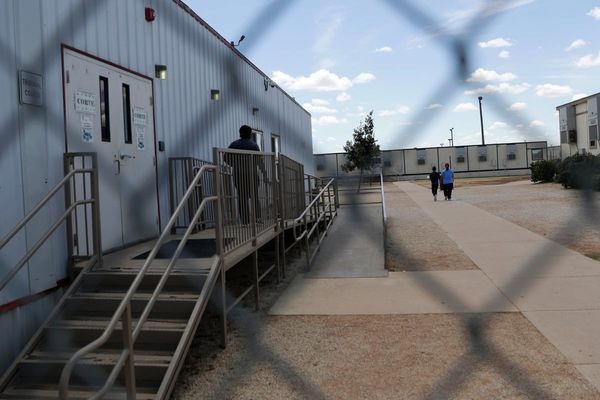
The whistleblower was also concerned about the plan to close all care and protection residences and move children to community houses, saying those in the Oranga Tamariki residences were “our most vulnerable children and young people in the country with extremely complex needs, who require these specialist facilities for a short period in their life”.
“There is a lack of mental health facilities for these children who often have severe traumatic backgrounds and are a danger to themselves or others.”
Davis understood why Māori and others would be sceptical about Oranga Tamariki’s reform, saying “it would be silly to think that now we’ve launched this, all is forgiven”.
But with a critical few months of engagement work with communities lying ahead, and the challenge to not just “listen” but act on what they heard, the Crown could begin to show it was committed to change.
“If I go back to my school teaching days, there was a saying that it would take a school seven years to build a reputation and one year to lose it, so it's gonna take some time to rebuild and restore the trust and confidence that Oranga Tamariki should have.”