A month is a long time in the lives of butterflies, and my hope in May’s column that 2015 could become a classic year for them has been washed away by cool, wet weather.
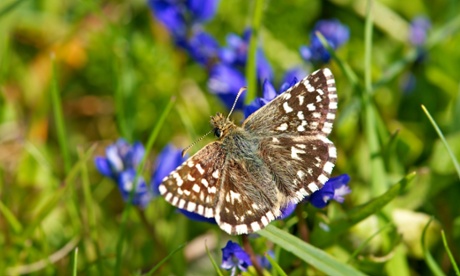
The “June gap” is a well-known phenomenon in the butterfly world – a period of a few weeks where spring species such as orange tips and grizzled skippers have died off and high summer butterflies, from meadow browns to purple emperors, have yet to emerge.
This year, it is particularly pronounced. I’ve been searching for swallowtails on the Norfolk Broads, but very few are on the wing in such chilly, windy weather.
“Winged insects generally are having a bad time,” says Matthew Oates, author of a new memoir about his life in pursuit of butterflies. (Butterfly-lovers can at least shelter from the weather and read a good book this year: three excellent new works explore our passion for butterflies.)
The wind may not matter – butterflies are surprisingly adept at finding shelter in tussocky grass even on exposed sites – but another year of vigorous grass growth is bad news for rarer species. This benefits common grass-feeding species, such as large and small skippers, marbled whites and ringlets, but is terrible for violet-feeding fritillaries, which rely on flowers flourishing on patches of bare ground.
But there is hope on the horizon – literally: migratory butterflies and moths are building in number on the continent, and when the weather changes as forecast, large numbers of painted ladies, red admirals and clouded yellow should fly into Britain. Oates’s advice? Set your moth trap this weekend.