Australian researchers have discovered a new weapon in the fight against melanoma.
It is hoped the discovery will help prevent the spread of one of the country's deadliest cancers in its early stages.
Less than a decade ago, advanced melanoma was an almost certain death sentence. But thanks to immunotherapy drug breakthroughs more than half of patients now enjoy a considerably healthier prognosis.
However, there are no immunotherapy drugs currently approved for use in early-stage melanoma patients. But promising results from a clinical trial - which included researchers and patients from Melanoma Institute Australia (MIA) - is set to change that. The research demonstrated giving high-risk stage-two melanoma patients the same immunotherapy drugs approved for use in those with advanced melanoma reduced the risk of death or recurrence by 35 per cent.
A year after surgery to remove their tumour, fewer than 10 per cent of patients who were given the immunotherapy drug - called pembrolizumab - had their melanoma progress, compared to about 17 per cent in the placebo group.
The research was this weekend presented at the world's biggest medical oncology conference, and it is hoped pembrolizumab will soon be approved for use for early-stage patients in Australia.
Australia has the highest melanoma rates in the world, with one person diagnosed every 30 minutes.
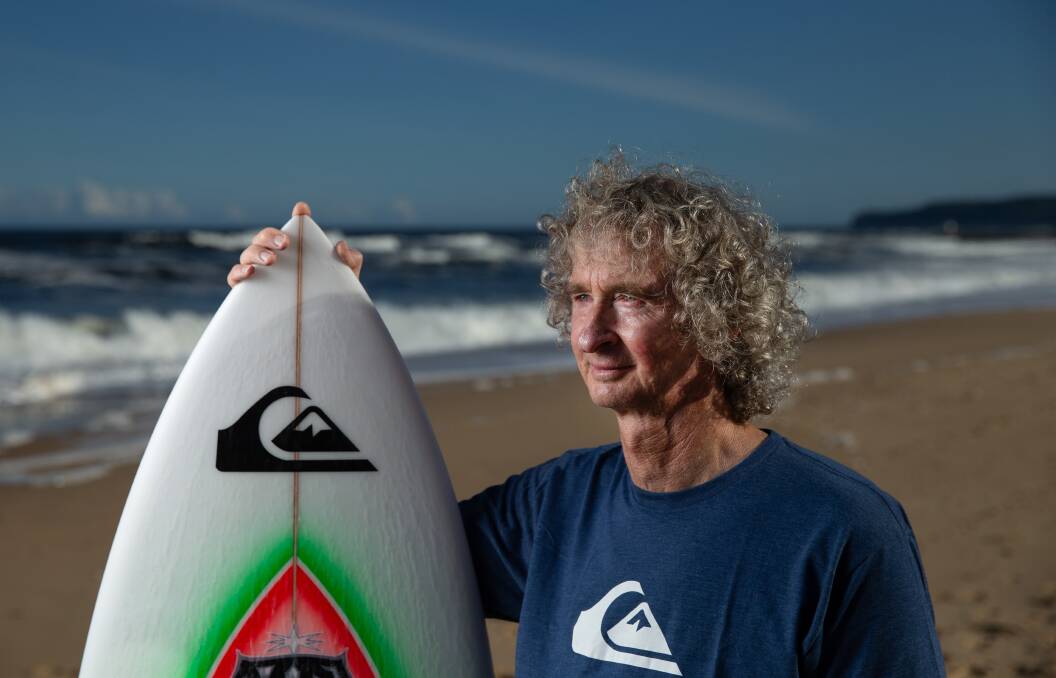
Earlier this year, Newcastle surfing great Mark Richards told the Herald his desire to help save lives was behind his move to join the Hunter Melanoma Foundation.
Data shows one in 25 males and one in 30 females in the Hunter Region will suffer from melanoma, which is the most common cancer among those aged 15 to 39.
Richards told the Herald he had three skin cancers removed, all of which were squamous cell carcinomas. "I've been lucky that none of them have been melanoma," he said.
Impact of successive disasters
More than a third of Australians have been hit by successive disasters in the past two years, with new research finding two in five feel less hopeful about the future.
The survey of over 1000 people, conducted by the Australian Red Cross, found the pandemic alone had negatively impacted the mental health of two in five people. Some 42 per cent said they felt less control over the future than before the pandemic and 37 per cent said they felt less secure and safe. Of the more than a third who had experienced compound disasters, more reported a negative impact on their mental health, sense of hopefulness for the future and sense of security and safety than Australians who had not.
The impact of years of successive disasters - drought, fire, floods and the pandemic - have led to compounding negative effects unlike the Australian Red Cross has ever seen before, the charity's Head of Emergency Services Andrew Coghlan said.
"In terms of the number, the quantity and the impact of disasters that we're seeing, there's no question the last two years have been massive. At the moment, it feels like there's a constant and steady flow of major-impact disasters on communities.
"The impacts of COVID-19 and lockdowns in particular are making recovery harder - from rebuilding or repairing lost property, or drawing comfort from your support network"
Resources to help families prepare for disasters is available on the Red Cross website and its Get Prepared app.