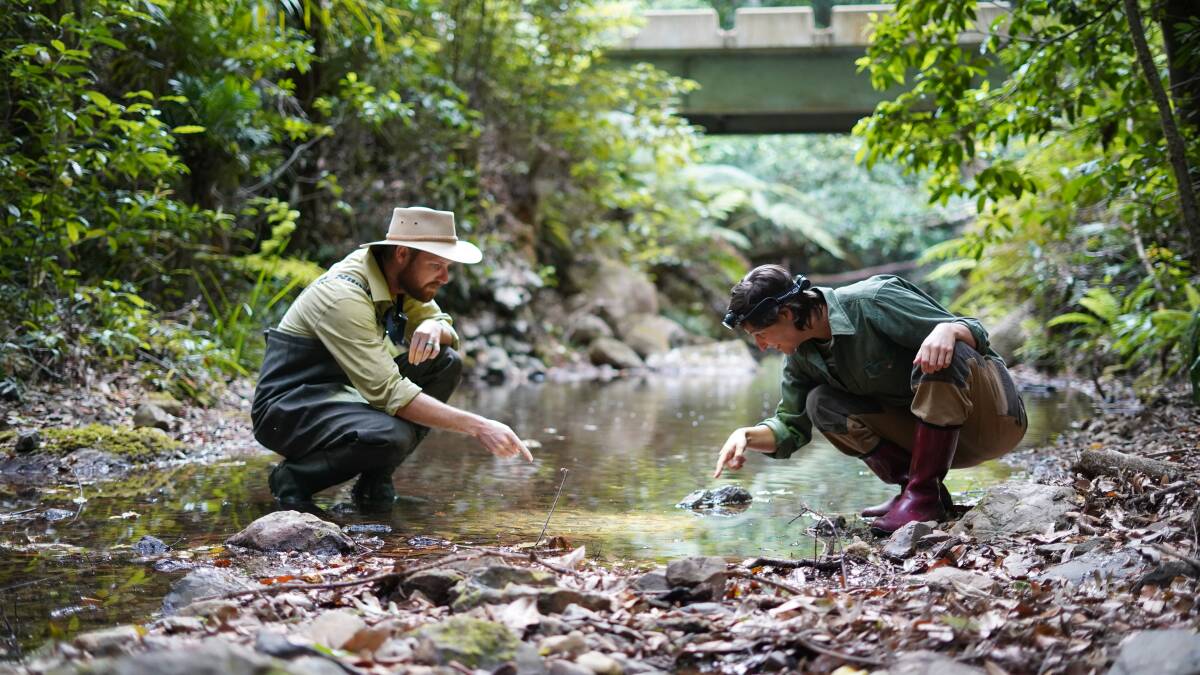
University of Newcastle researchers are putting the call out for citizen scientists to help them monitor and ultimately save native frog populations.
The Find Frog program, which launched last week, allows participants to identify the sound of one of five endangered Australian frogs.
Recorders, known as an audiomoths, are placed where frogs have been historically detected as well as in places where frogs might be expected to be found.

The recordings are uploaded to the online community science platform, Zooniverse for storage and analysis.
"In just 30 seconds you can tell us whether there is a threatened frog calling at one of our sites," Dr Alex Callen from the university's conservation science research group said.
"Knowing where these threatened frogs are calling helps us to identify the habitat types where the species may continue to exist. Understanding what it is about these habitats that allow the frogs to persist gives us clues as to what we need to protect, or enhance, in the future."
While Frog Find is open to everyone interested in helping to preserve our biodiversity, people who live near the national parks are particularly encouraged to participate.
The research team began recording frogs in the state's national parks in late 2019, just prior to the Black Summer bushfires.
Recordings were made the in Dorrigo and New England National Parks in Northern NSW, Werrikimbe National Park (near Port Macquarie), Barrington Tops National Park, Watagans National Park (on the NSW Central Coast) and Blue Mountains and Kanangra-Boyd National Parks south of Sydney.
The team has collated more than 200,000 recordings to date.
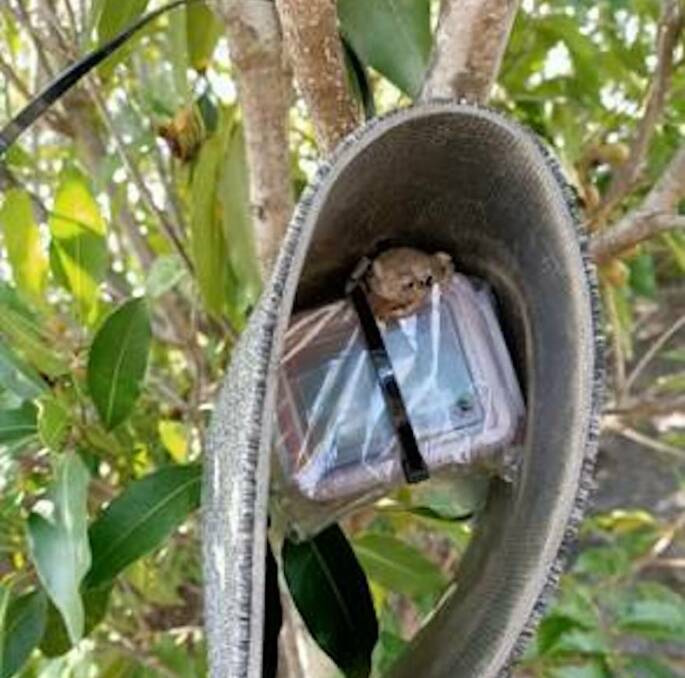
Dr Callen said recording evidence of a common frog was just as important as knowing whether threatened frogs were in the area.
"We often discover species are in trouble too late because we were not monitoring them. As a result common species can quickly become threatened species heading toward extinction without us knowing," she said.
The most common type of frog recorded differs with the monitoring location but the striped marsh frog, a ground frog that sounds like a tennis ball being hit, is common in the records.
Peron's tree frog, which is sometimes called the laughing or maniacal tree frog, is also common.
"But you strike gold when you hear the unmistakable faint and gentle hoot of the giant burrowing frog or the hiccup of Davies' tree frog in these recordings," Dr Callen said.
For more information: https://www.zooniverse.org/projects/ollibruuh/frog-find