Hong Kong leader invokes emergency powers to quell escalating violence
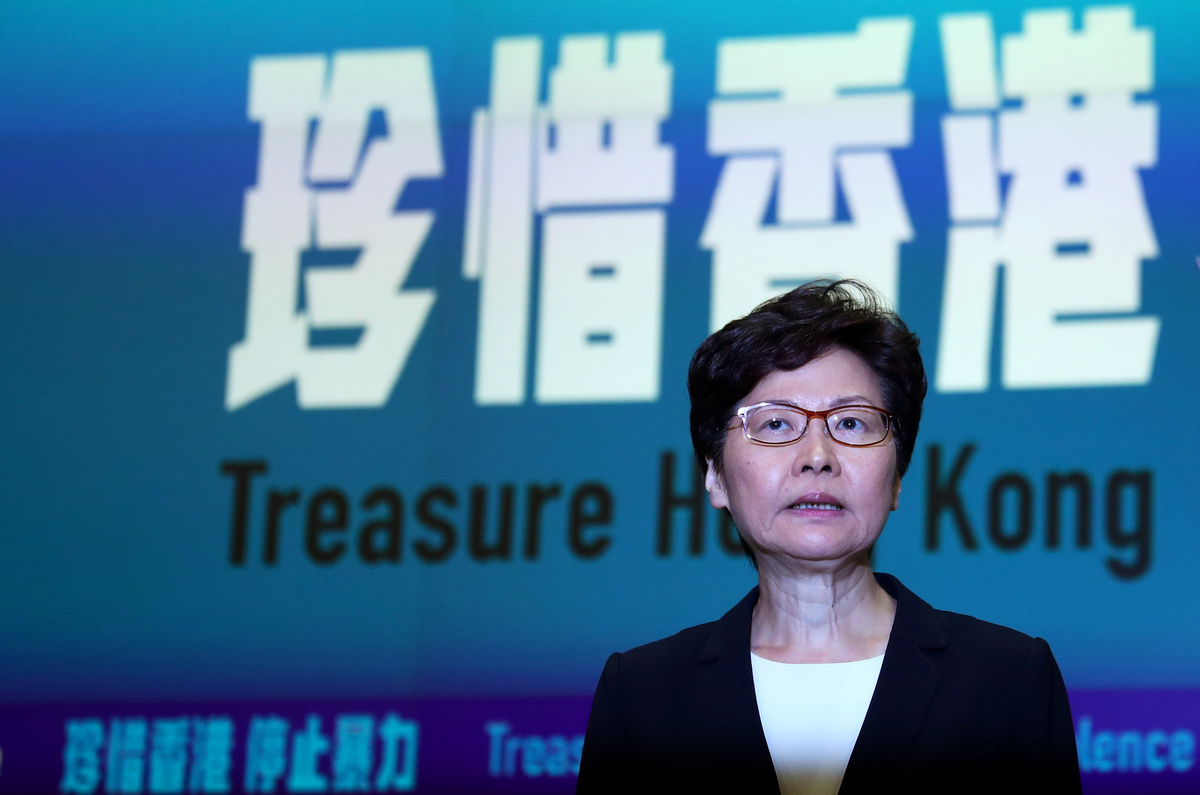
Hong Kong Chief Executive Carrie Lam attends a news conference to discuss sweeping emergency laws at government office in Hong Kong, China October 4, 2019. REUTERS/Athit Perawongmetha
HONG KONG (Reuters) - Hong Kong's embattled leader Carrie Lam invoked colonial-era emergency powers on Friday for the first time in more than 50 years in a dramatic move intended to quell escalating violence in the Chinese-ruled city.
Lam, speaking at a news conference, said a ban on face masks would take effect on Saturday under the emergency laws that allow authorities to "make any regulations whatsoever" in whatever they deem to be in the public interest.
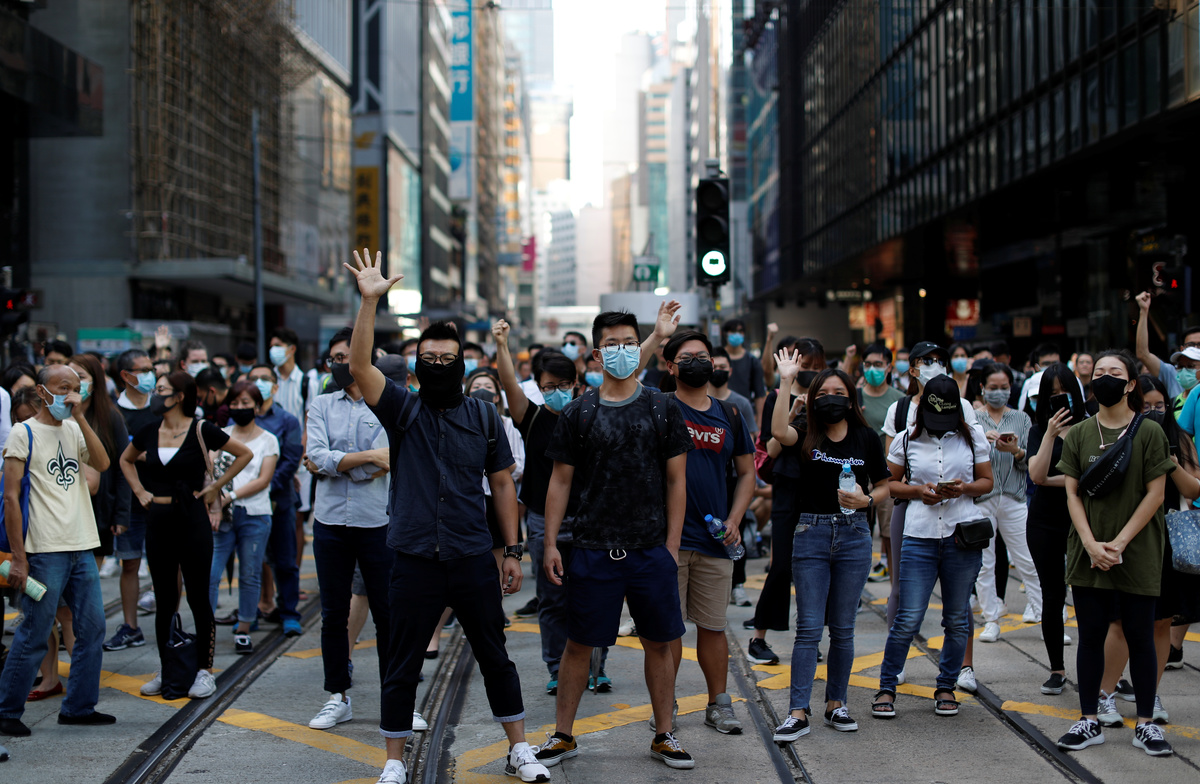
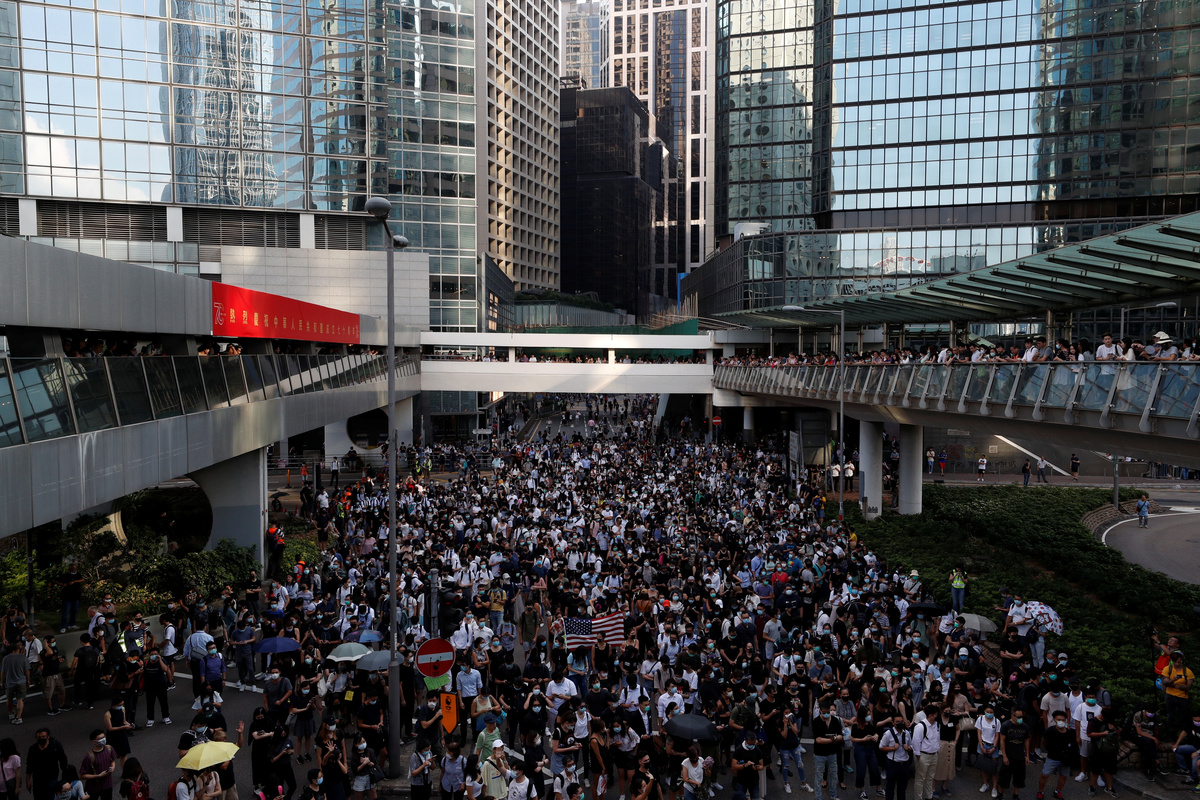
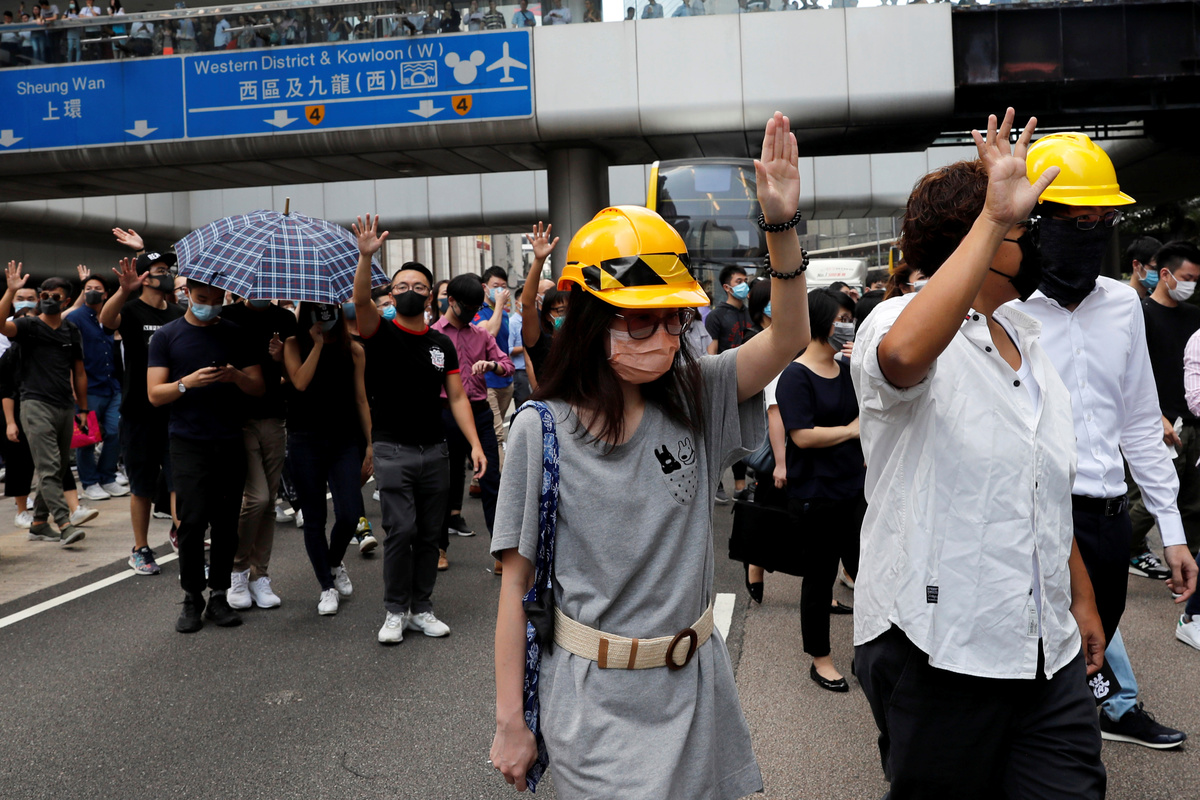
Anti-government protesters block a street in Central Hong Kong, China October 4, 2019. REUTERS/Jorge Silva
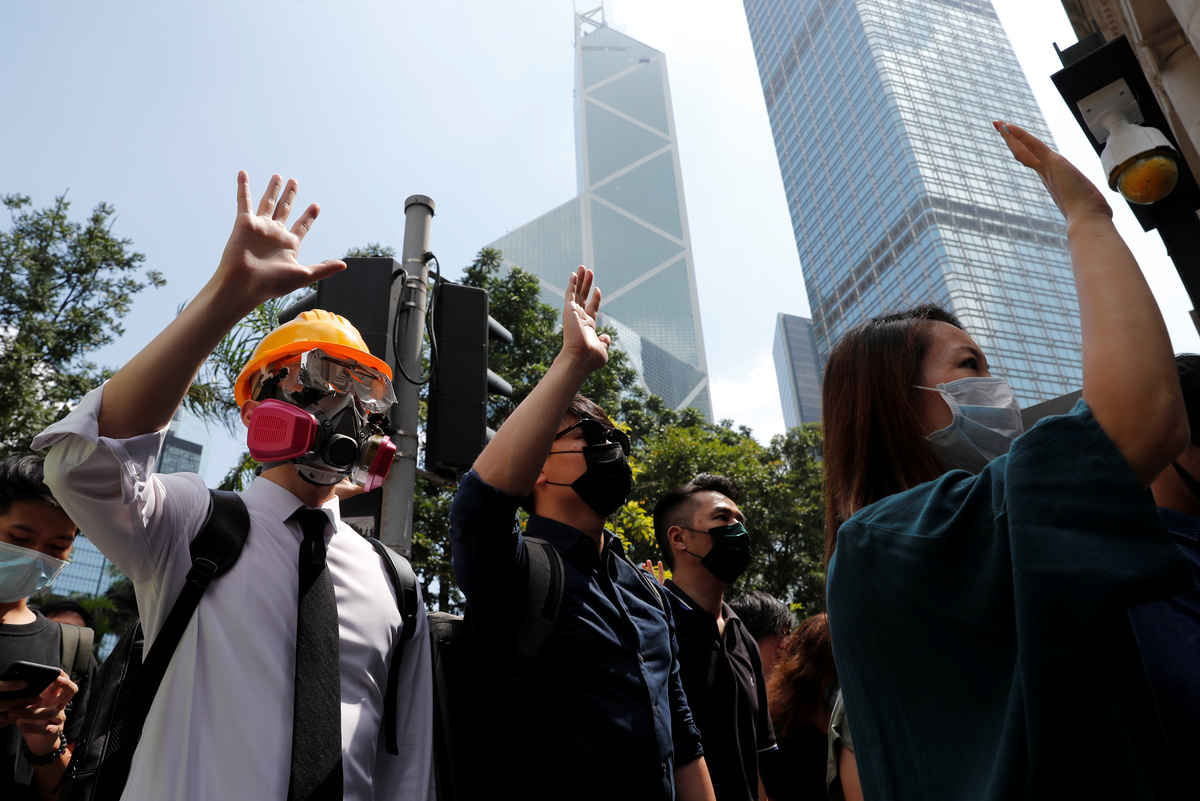
Many protesters wear masks to hide their identity due to fears employers could face pressure to take action against them.
"Almost all protesters wear masks, with the intention of hiding their identity. That's why they have become more unbridled," said Lam.
"We can't keep the existing regulations idle and let violence escalate and the situation continue to deteriorate."
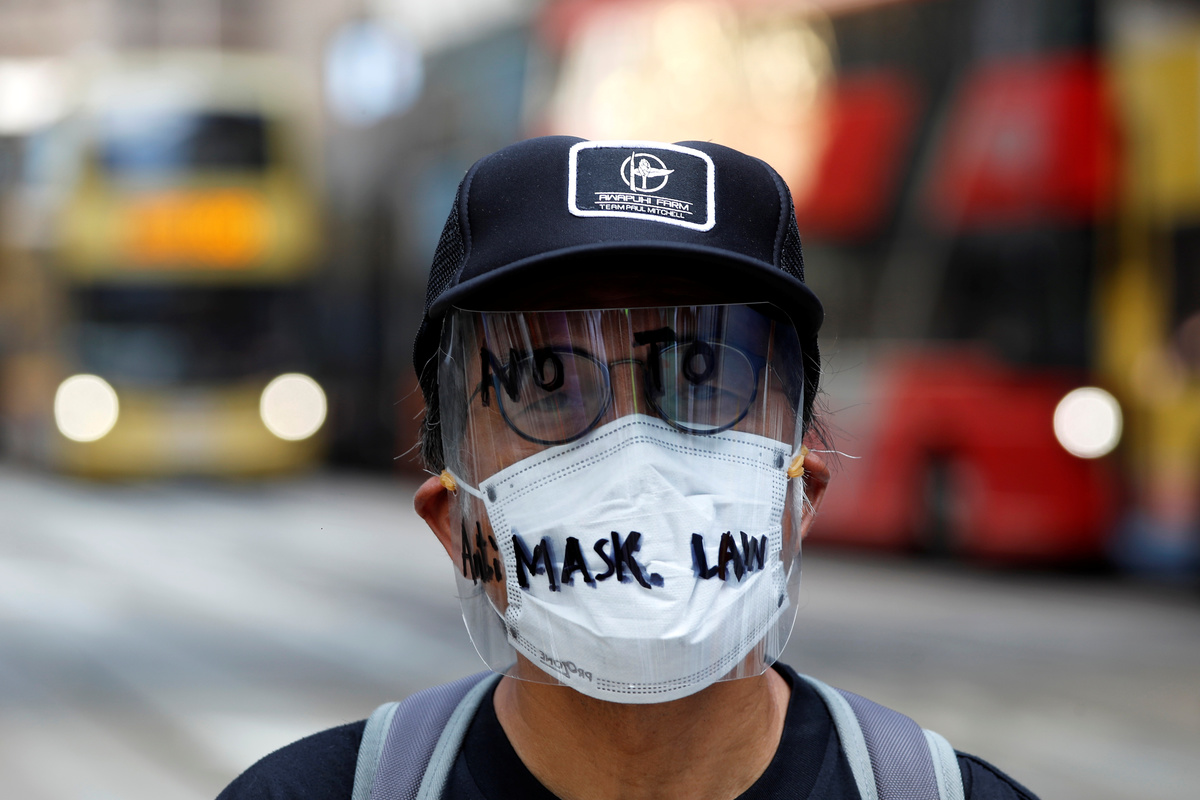
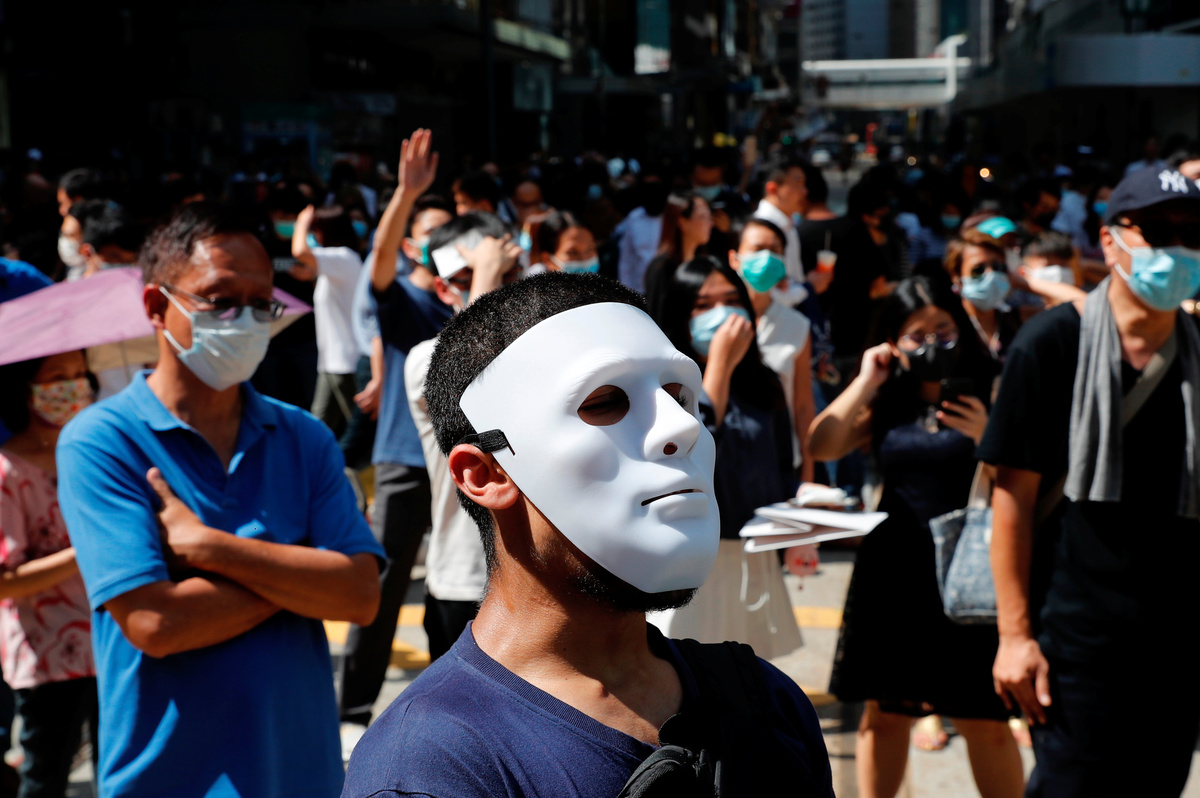
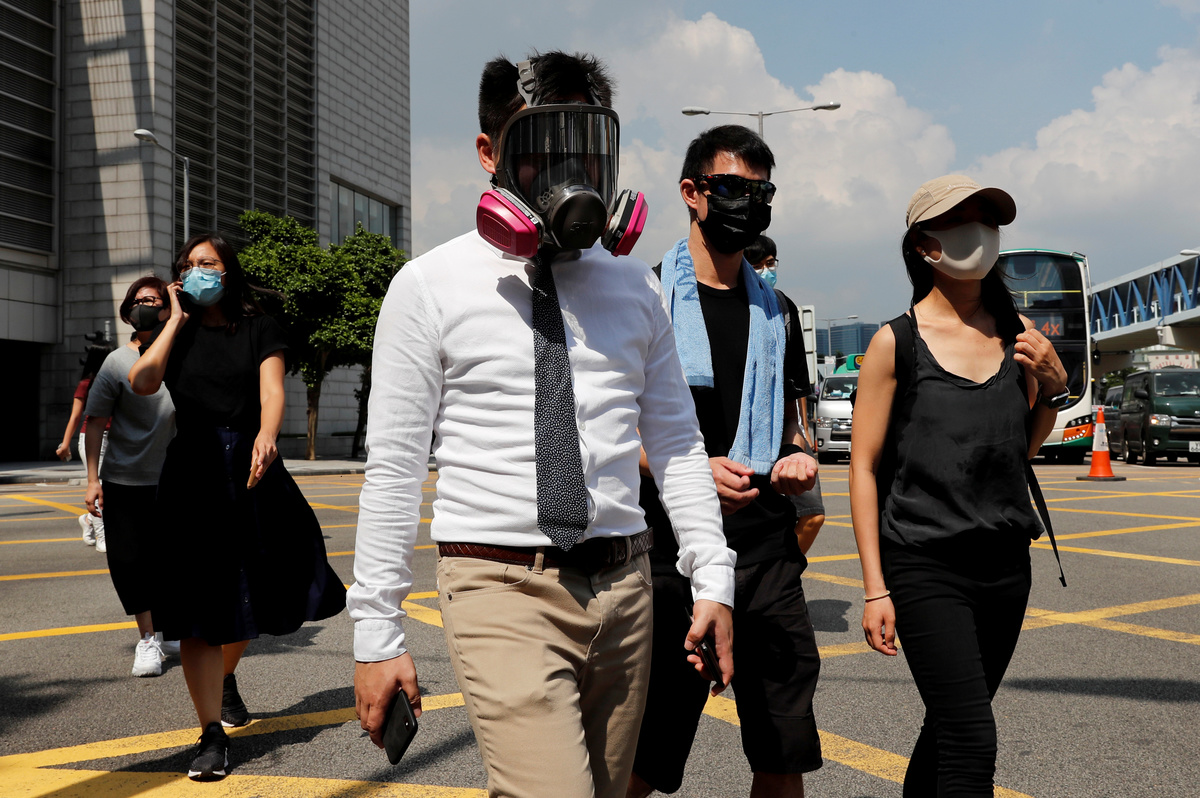
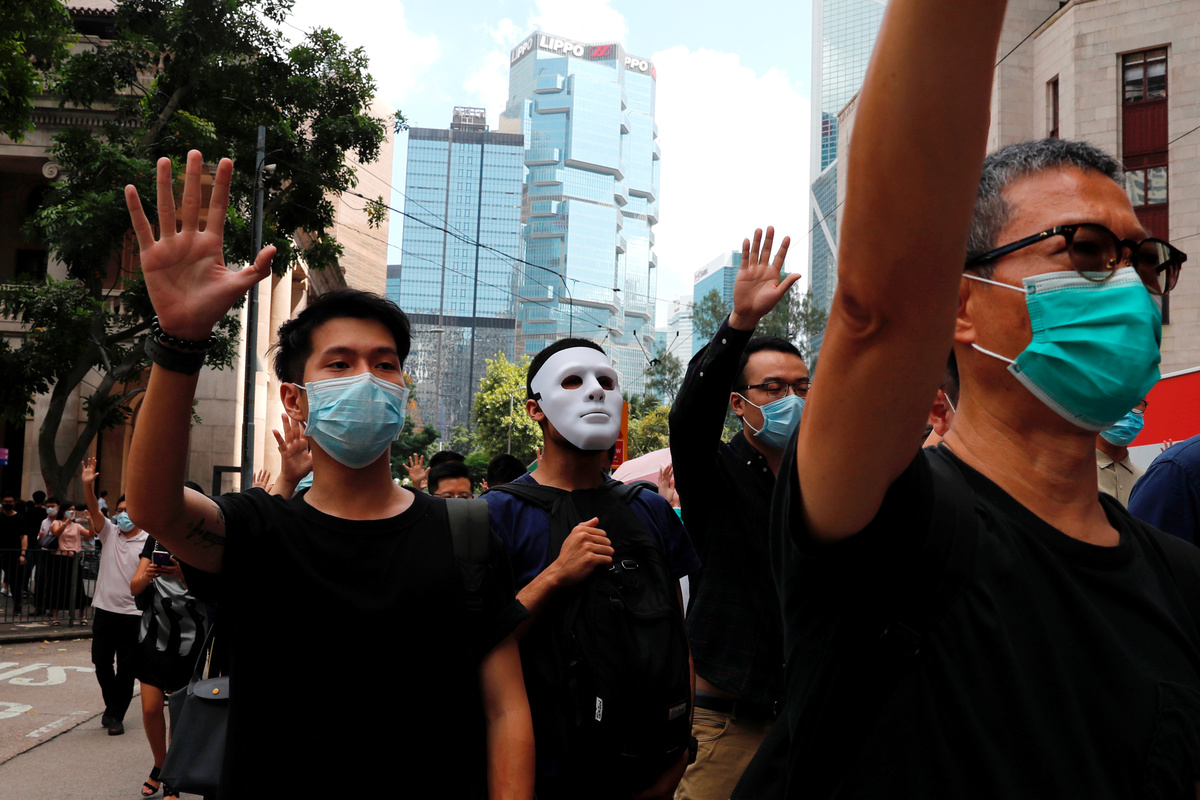
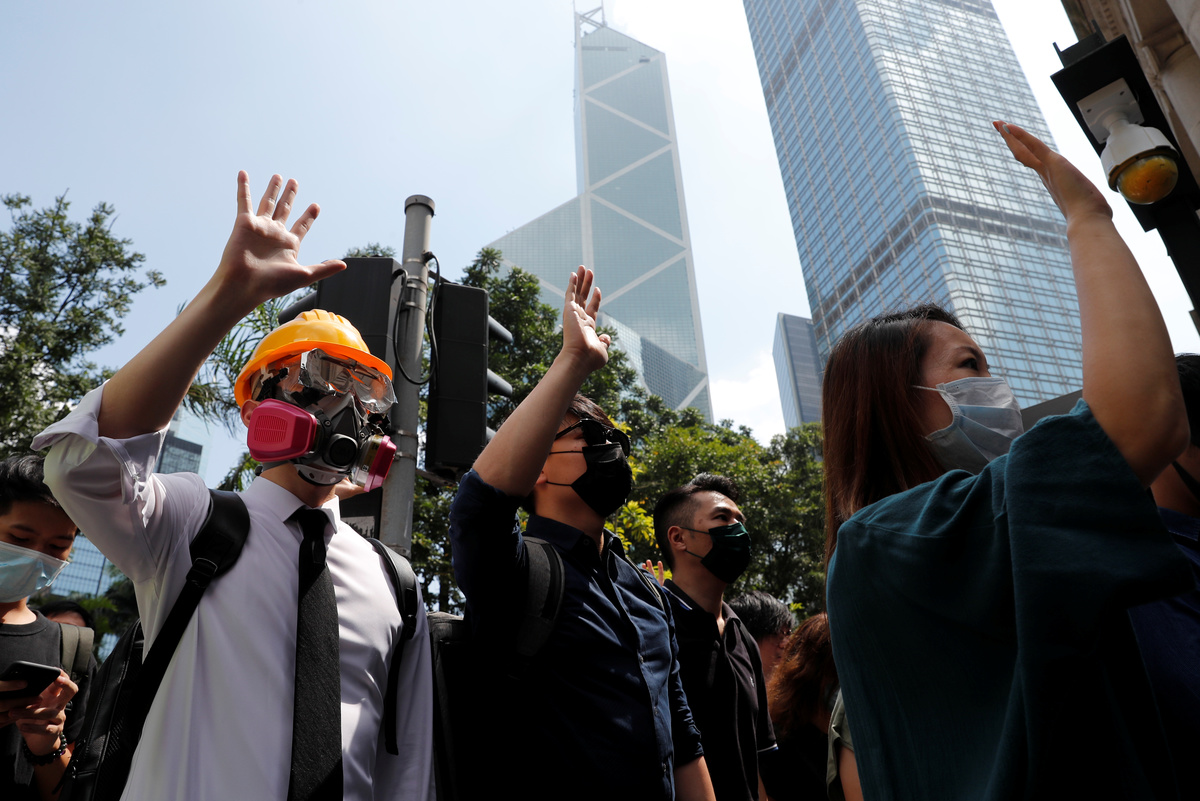
An anti-government protester wearing a mask attends a lunch time protest, after local media reported on an expected ban on face masks under emergency law, at Central, in Hong Kong, China, October 4, 2019. REUTERS/Tyrone Siu
Lam described the territory as being in serious danger, but not in a state of emergency.
It was not clear how the government would implement the mask ban in a city where many of its 7.4 million residents wear them every day to protect against infection following the outbreak of the deadly Severe Acute Respiratory Syndrome (SARS) in 2003.
Four months of anti-government protests have plunged the former British colony into its biggest political crisis since its handover to Beijing in 1997 under a "one country, two systems" formula granting it autonomy.
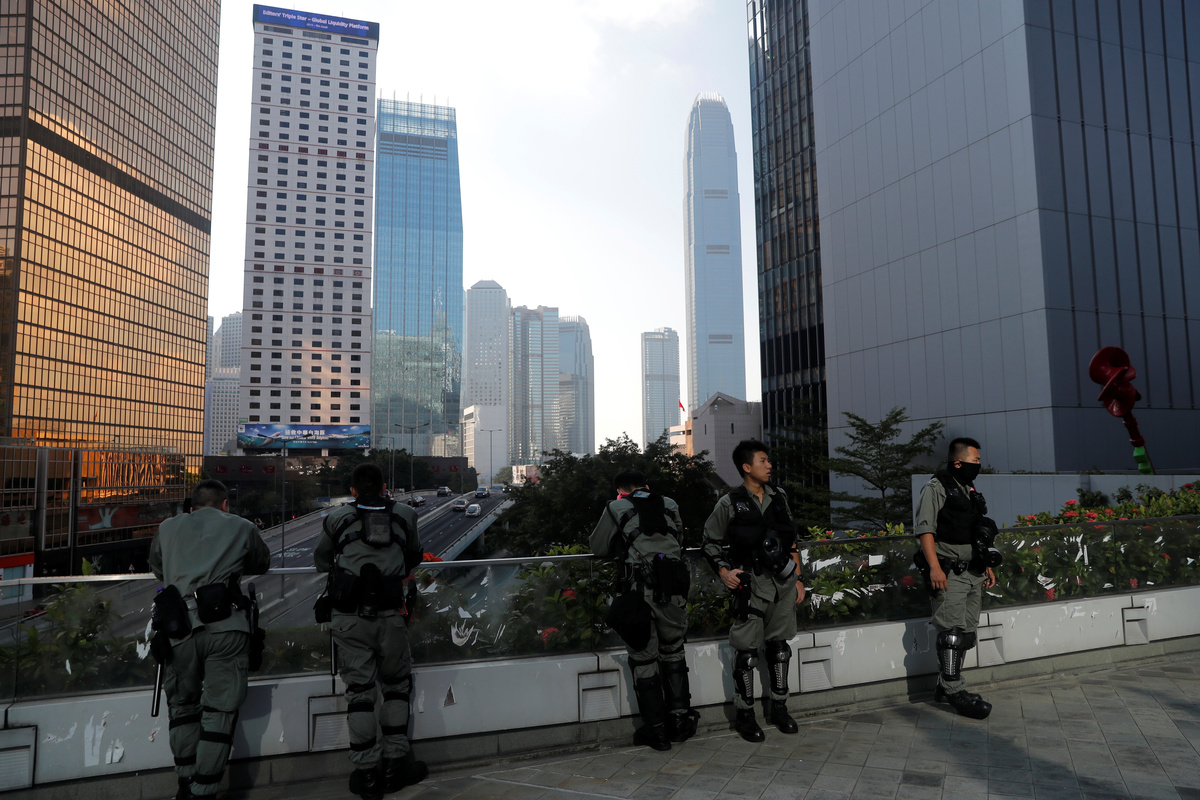
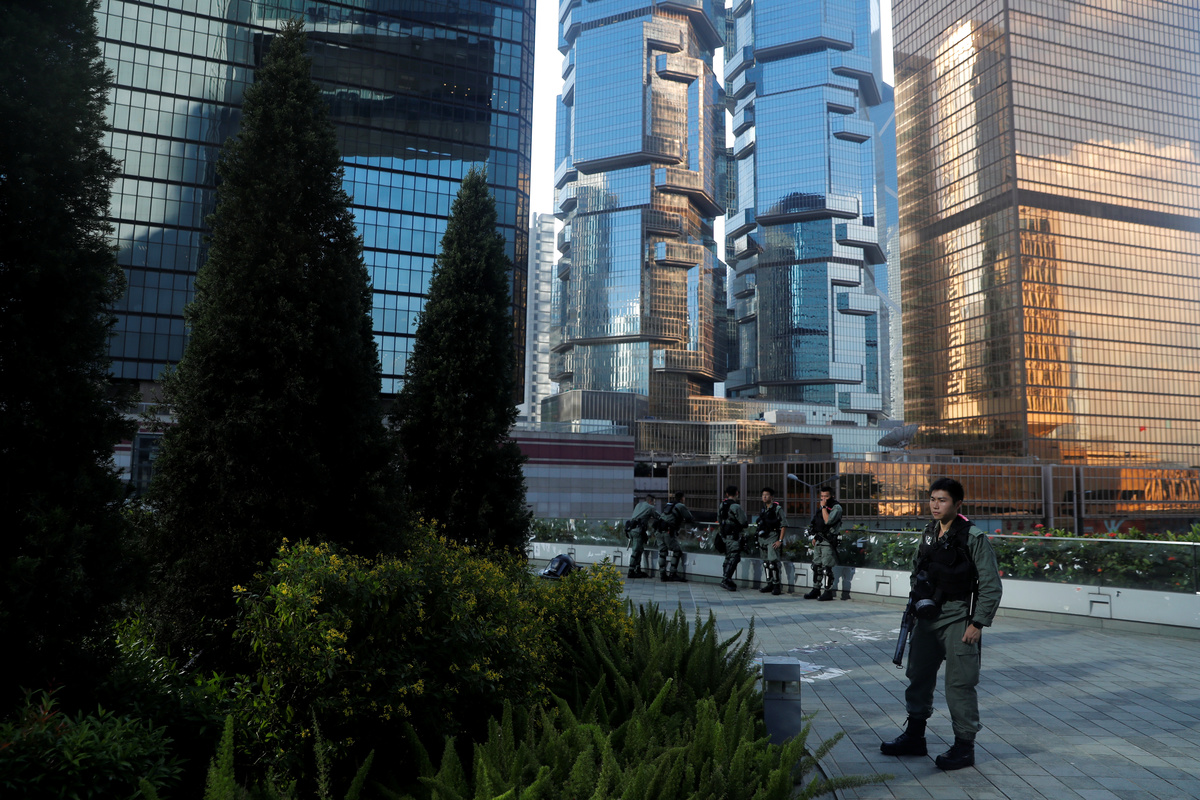
Riot police officers are pictured outside the Legislative Council complex in Hong Kong, China, October 4, 2019. REUTERS/Susana Vera
What began as opposition to a proposed extradition law, that could have seen people sent for trial in mainland courts, has grown into a broad pro-democracy movement and a serious challenge to Chinese leader Xi Jinping.
Pro-Beijing groups had been pushing for legislation to ban face masks at demonstrations but anti-government activists immediately set out to challenge it, calling for protesters to wear masks on a march on Saturday from the shopping district of Causeway Bay to government headquarters in the city centre.
Banks and shops in the busy Central district closed early in anticipation of violence, as some protesters burned Chinese flags. Thousands of protesters gathered in other parts of the territory.
Anti-government protesters block a street in Central Hong Kong, China October 4, 2019. REUTERS/Jorge Silva
"The anti-mask law has become a tool of tyranny," said Samuel Yeung, an 18-year-old university student in Central.
"They can make use of the emergency law to enact any policies or laws that the government wants. There’s no rule of law anymore. We can only be united and protest."
Riot police officers are pictured outside the Legislative Council complex in Hong Kong, China, October 4, 2019. REUTERS/Susana Vera
'THINK TWICE'
Authorities had already loosened guidelines on the use of force by police, according to documents seen by Reuters. The invoking emergency powers could backfire, some analysts fear.
"This is the next significant miscalculation," said Phill Hynes, head of political risk and analysis at ISS Risk, shortly before the widely expected introduction of the emergency laws.
An anti-government protester wearing a mask attends a lunch time protest, after local media reported on an expected ban on face masks under emergency law, at Central, in Hong Kong, China, October 4, 2019. REUTERS/Tyrone Siu
"The next will be barring certain candidates from running in District Council elections. Both will nicely inflame tensions and increase protests and actions."
"This is an ancient, colonial set of regulations, and you don't use them unless you can't legislate anymore," said Martin Lee, a veteran activist and one of the city's most prominent lawyers. "Once you start, there's no end to it."
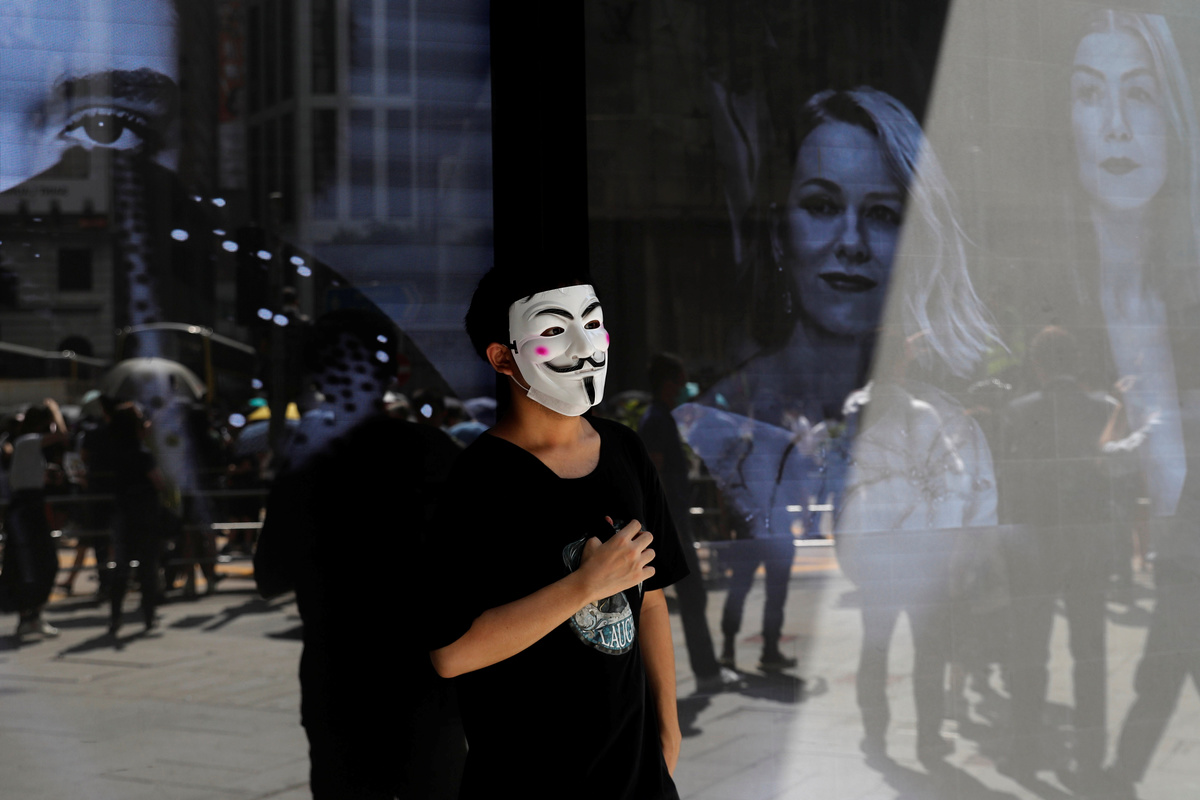
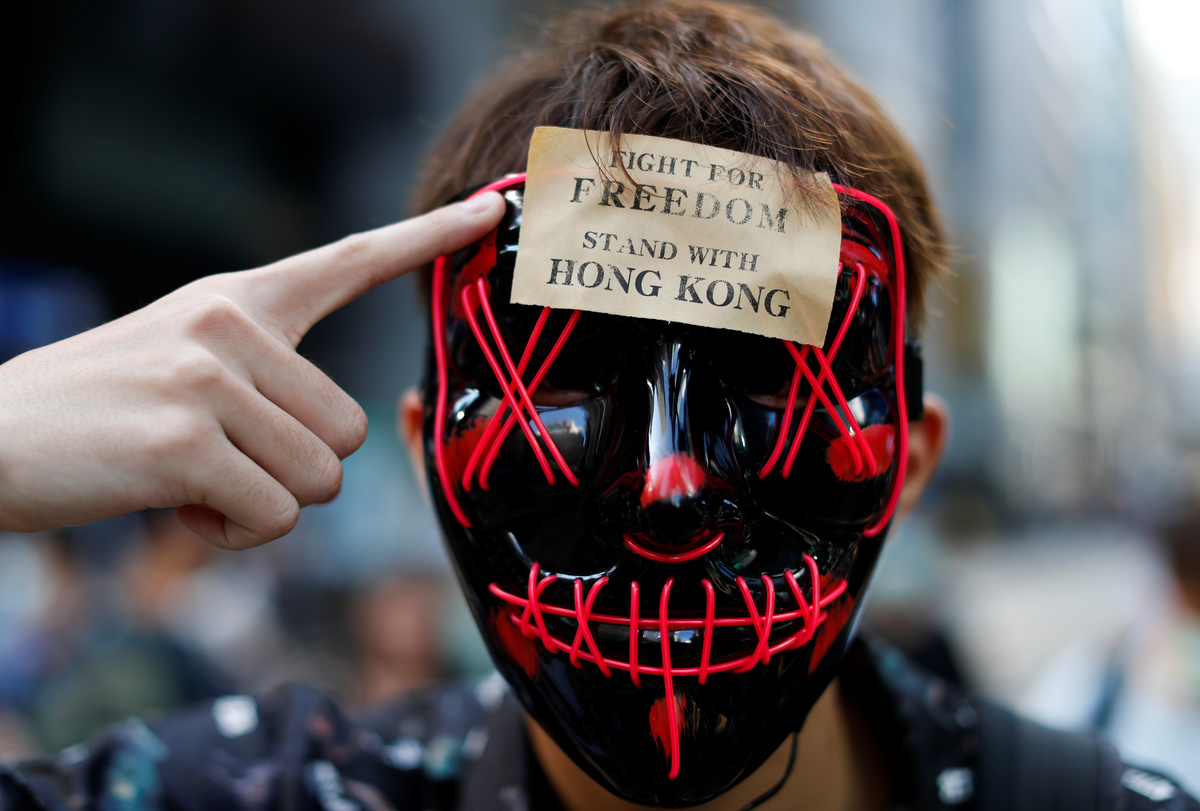
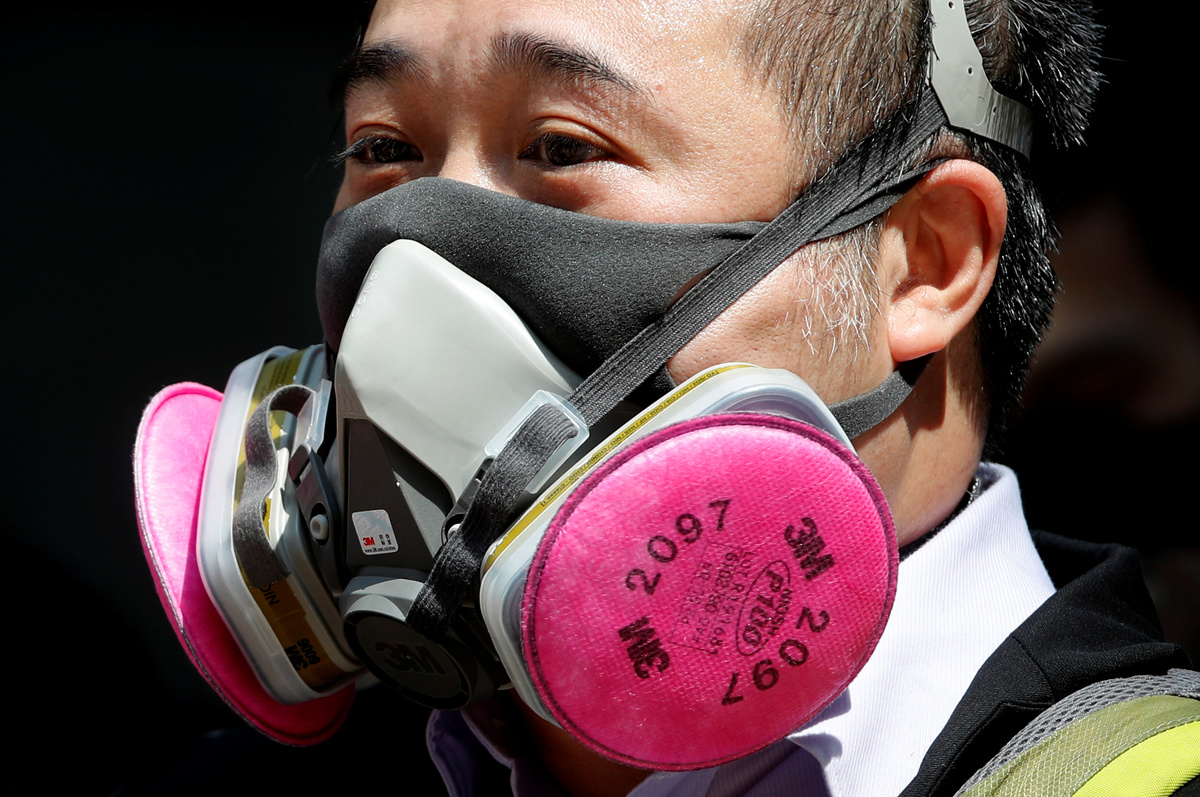
A masked anti-government protester is pictured in Central Hong Kong, China October 4, 2019. REUTERS/Jorge Silva
Hong Kong's business interests, struggling with a dip in tourism and retail sales due to the protests, gave the law a warmer welcome.
"I agree with it at this point," said businessman Allan Zeman, who is also an economic adviser to Lam. "You have to do something drastic to end the violence. A lot of people will think twice about coming out."
Violence escalated on Tuesday, the 70th anniversary of the founding of the People's Republic of China, when police fired about 1,800 volleys of tear gas, 900 rubber bullets and six live bullets - one of which hit an 18-year-old.
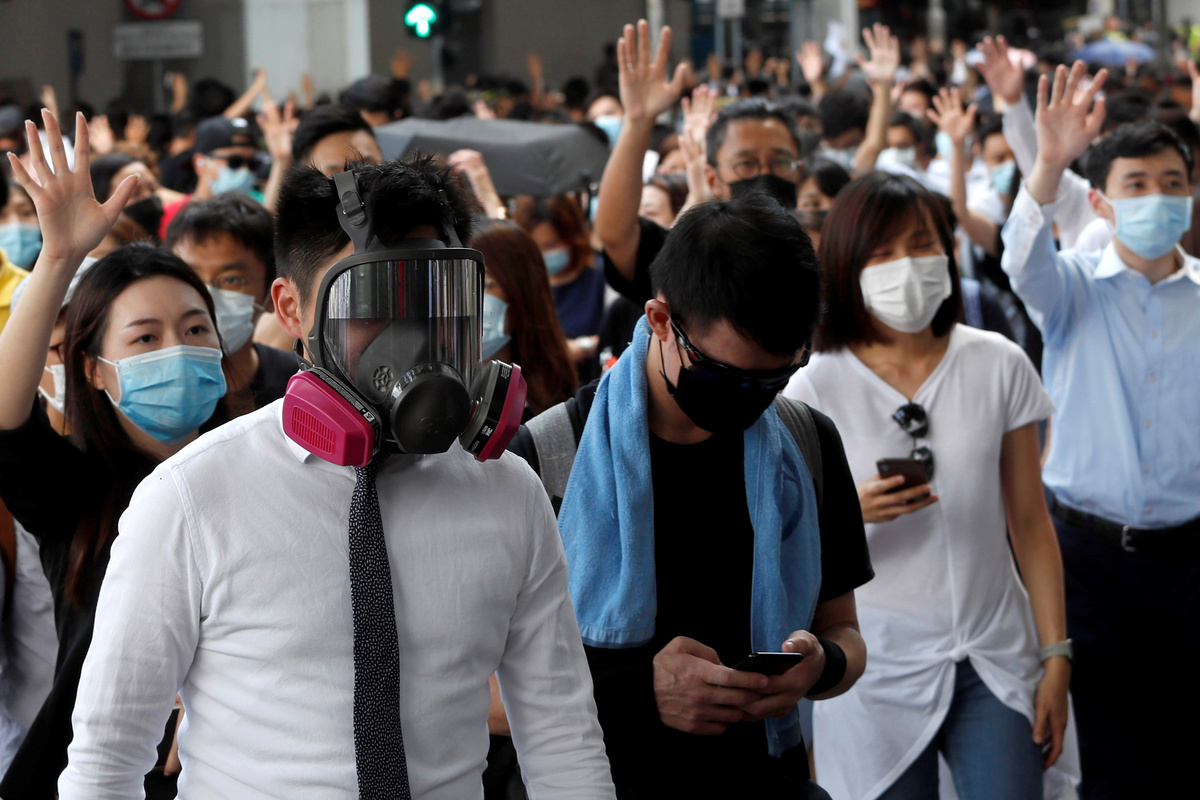
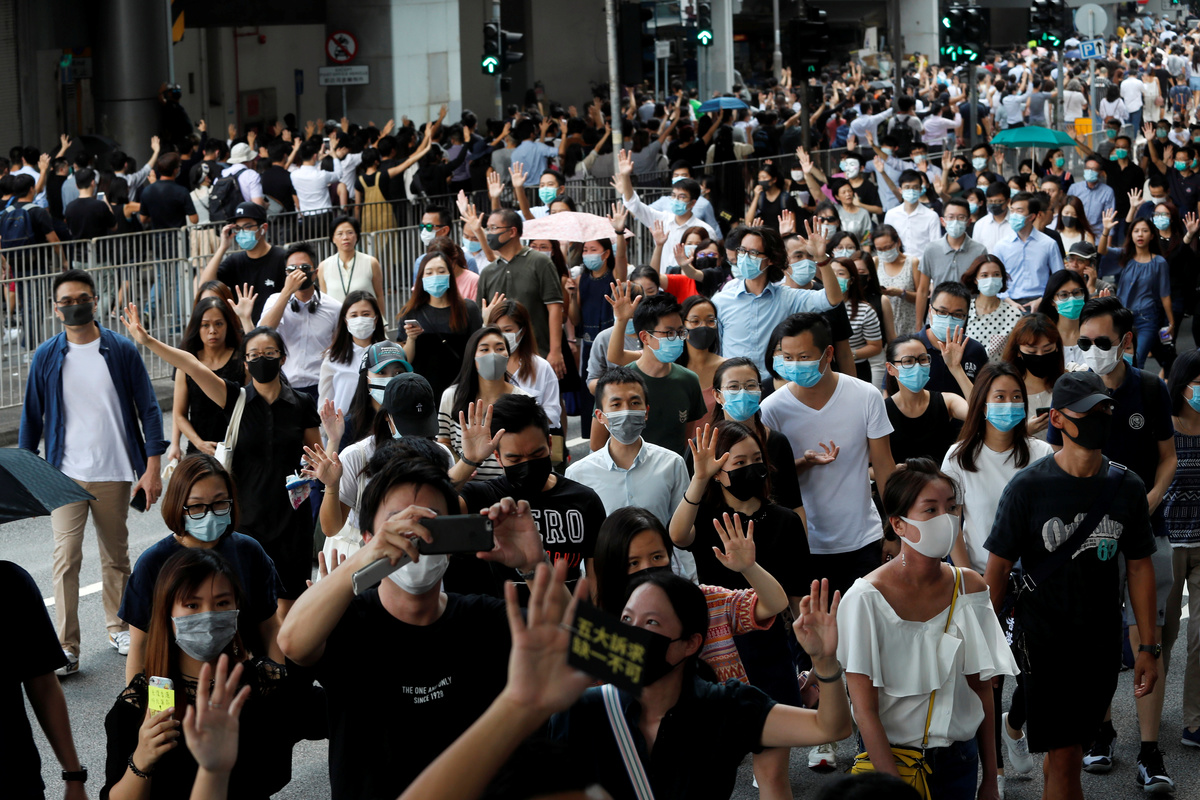
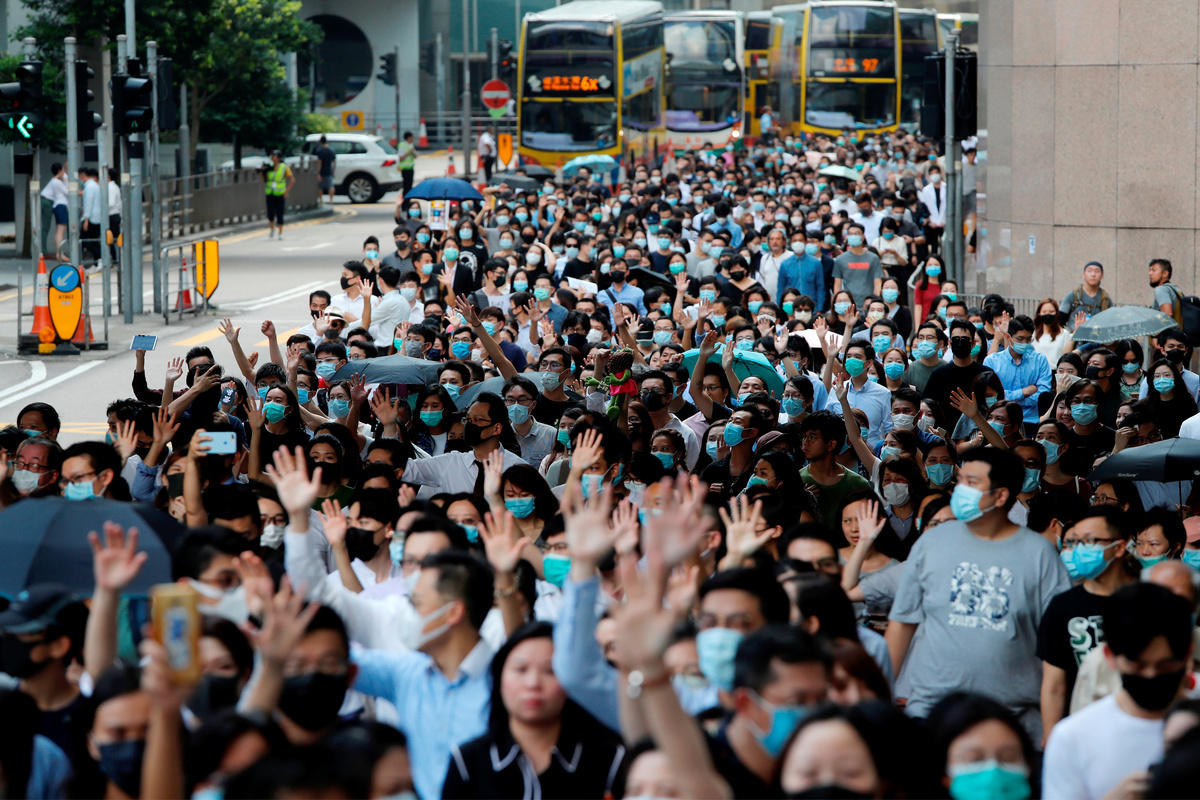
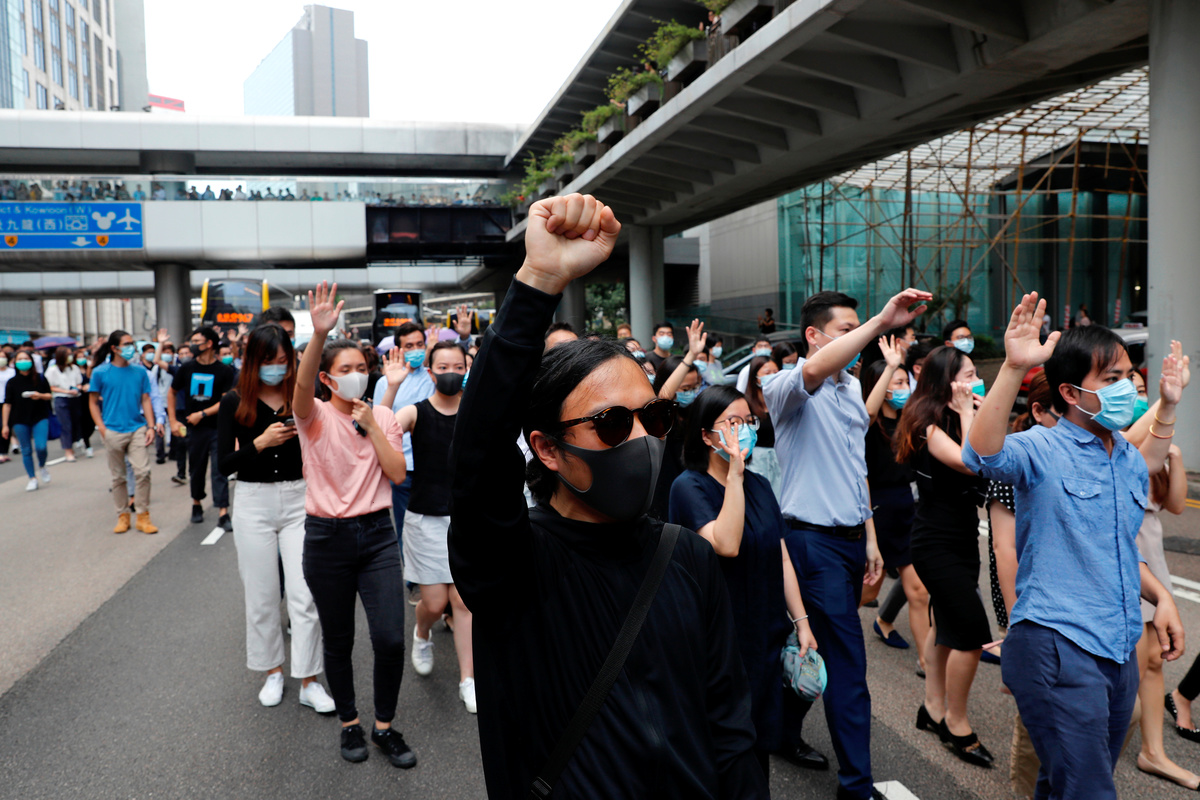
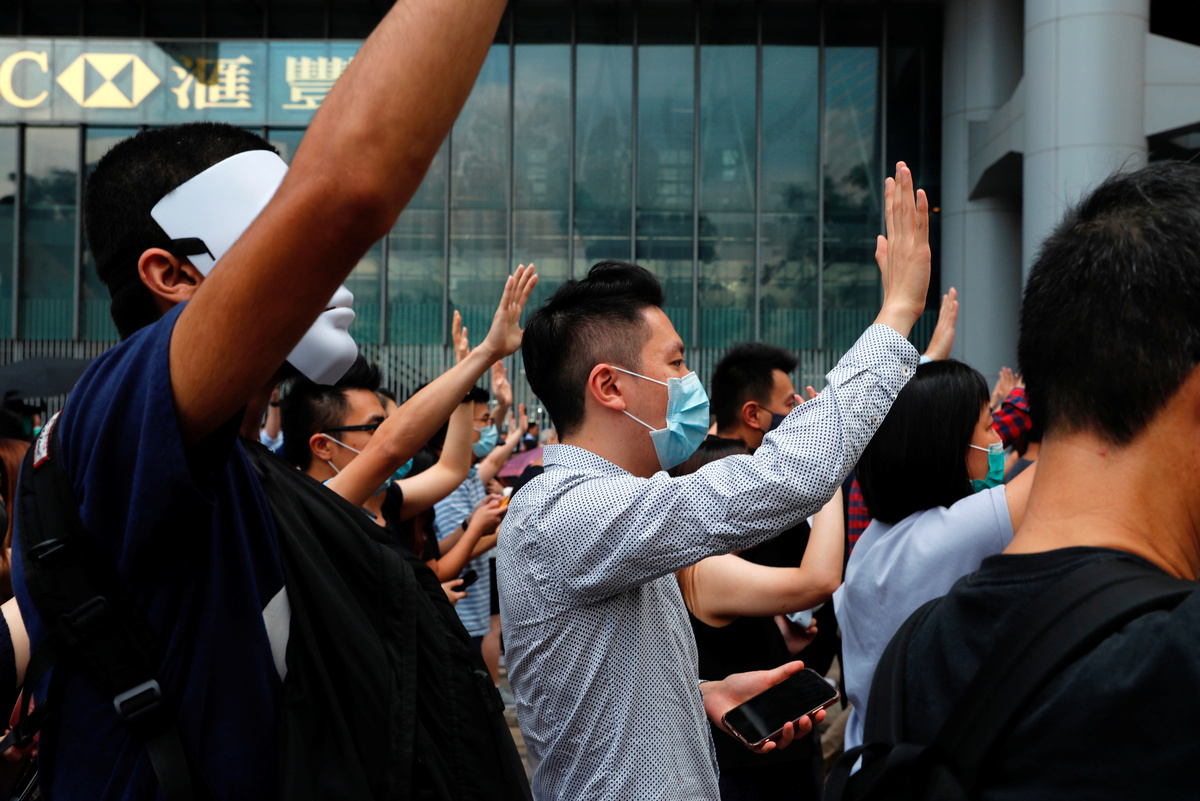
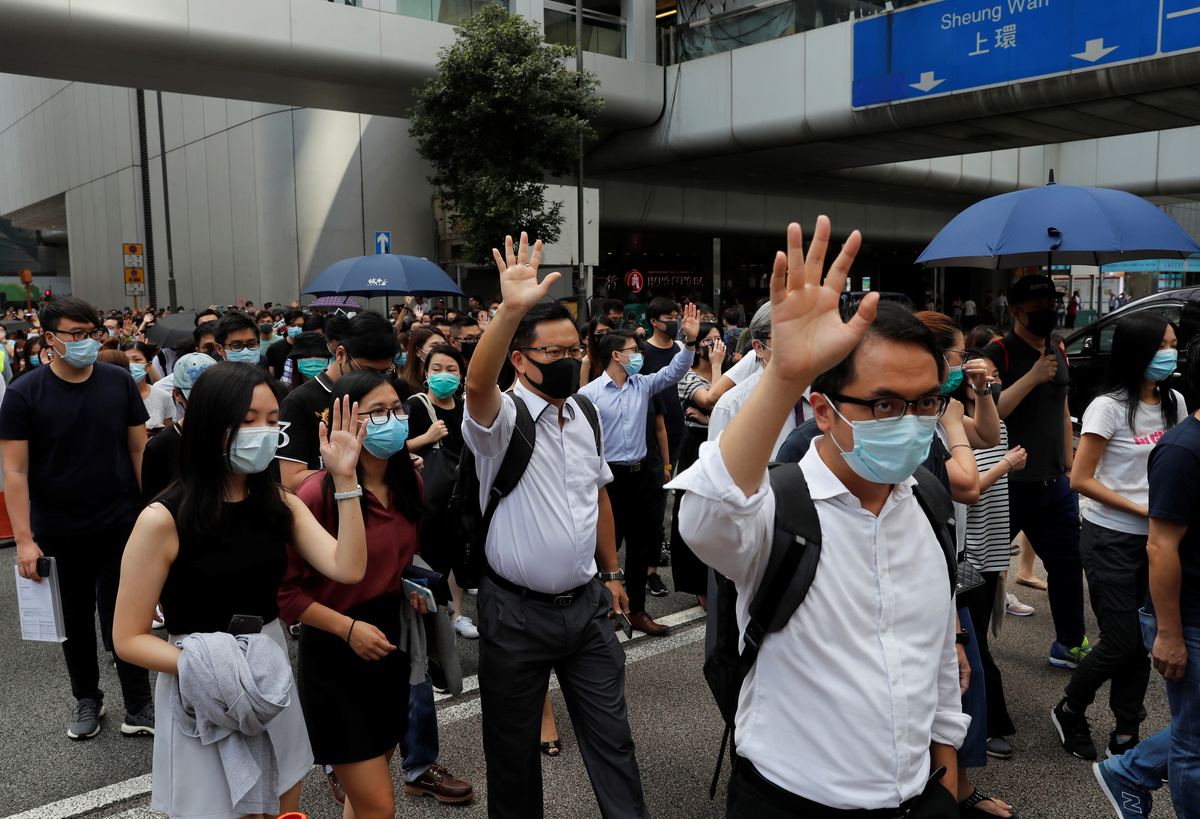
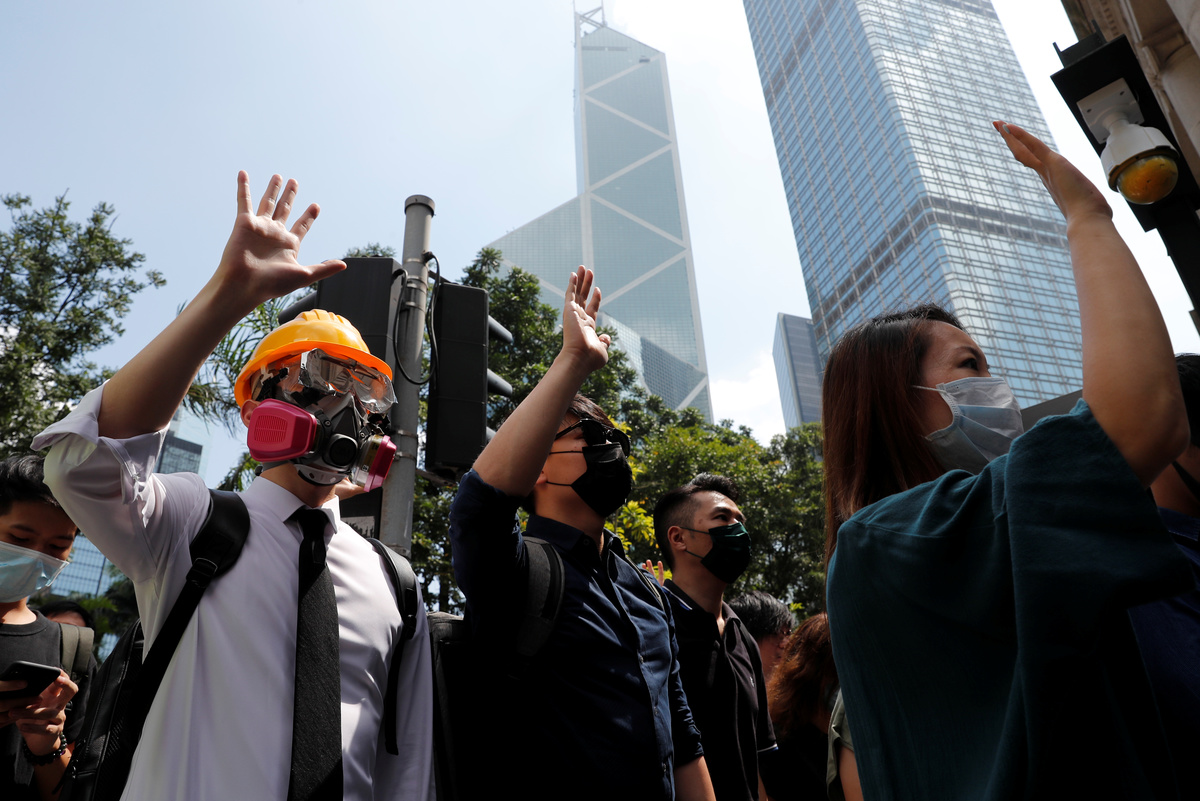
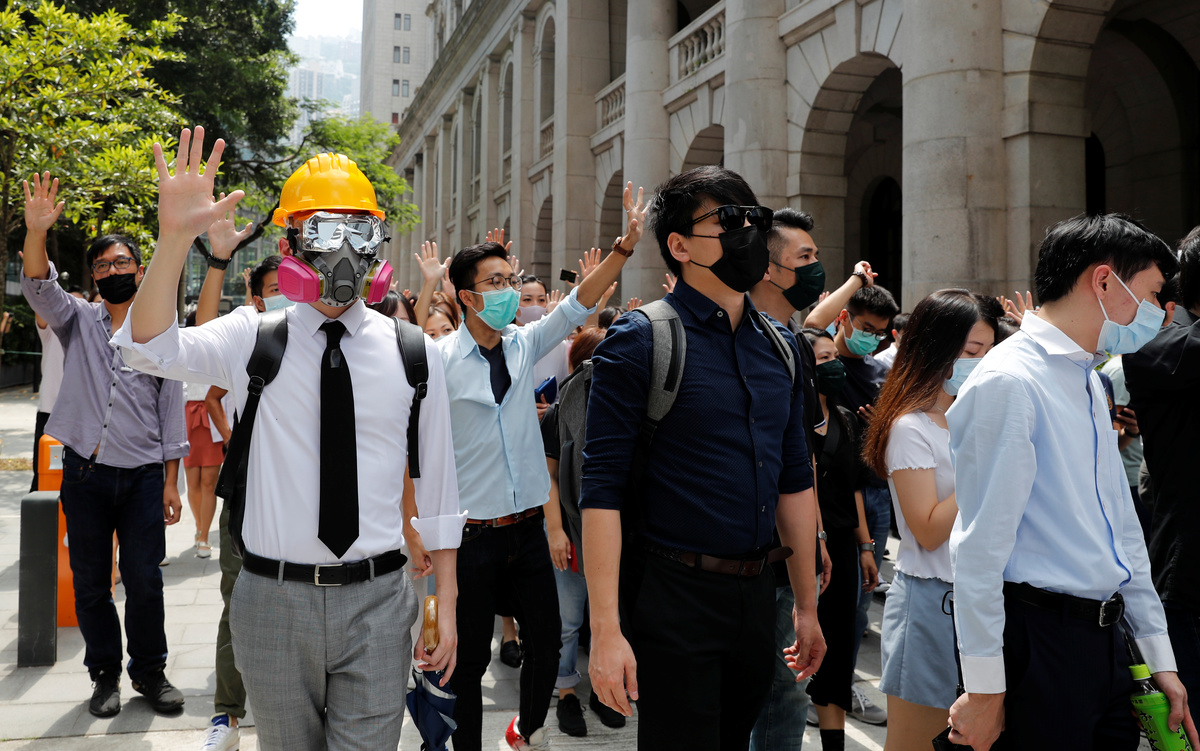
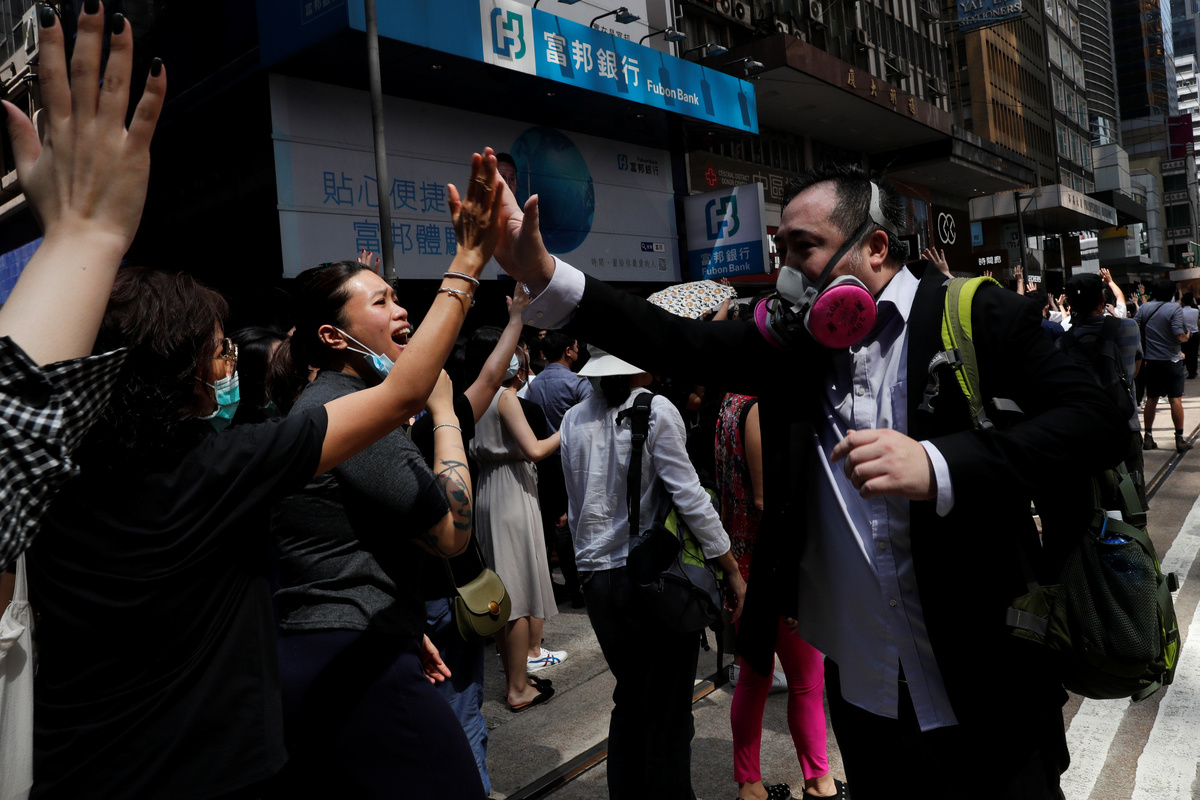
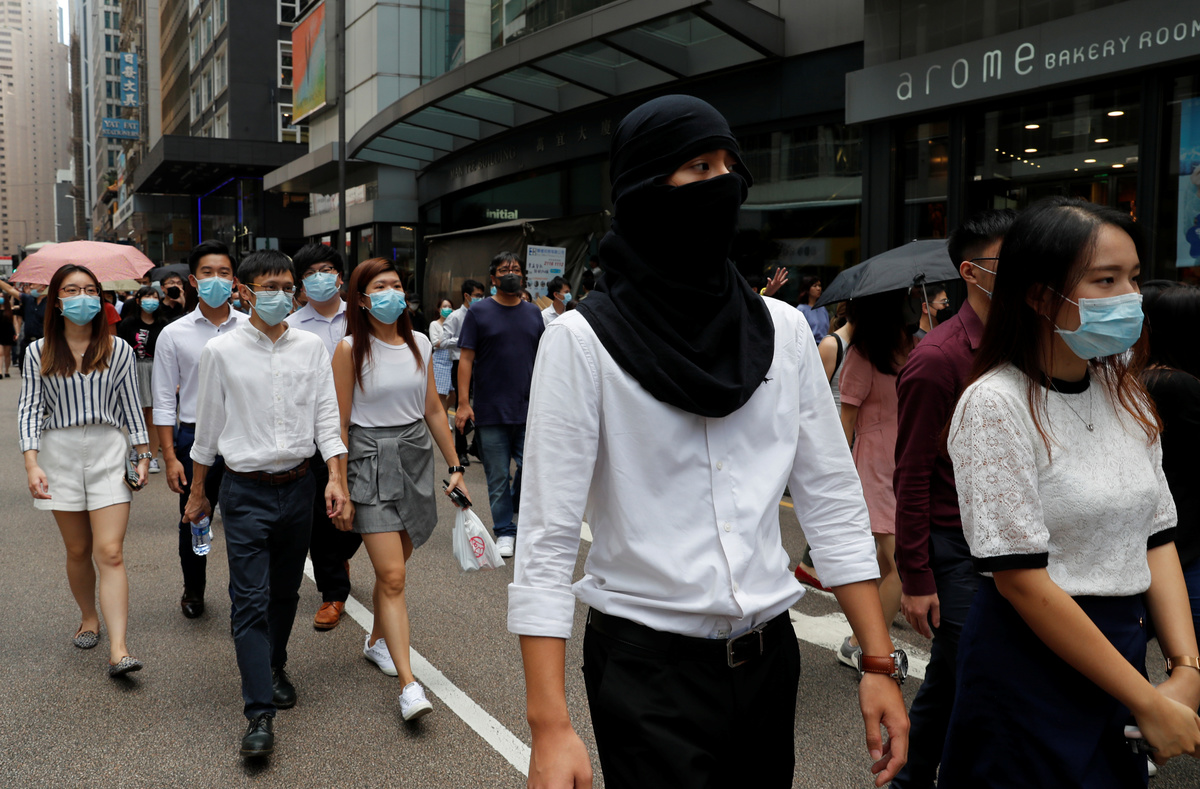
Anti-government office workers wearing masks attend a lunch time protest, after local media reported on an expected ban on face masks under emergency law, at Central, in Hong Kong, China, October 4, 2019. REUTERS/Tyrone Siu
The student, Tony Tsang, was shot at close range as he fought an officer with what appeared to be a white pole. He has been charged with rioting, which carries a maximum 10-year sentence, and assaulting an officer. Tsang is in stable condition in hospital.
The shooting enraged protesters who rampaged across the city, throwing petrol bombs, blocking roads and starting fires as police responded with tear gas.
The protesters are angry about what they see as creeping interference by Beijing in their city's affairs despite the promise of autonomy under the "one country, two systems" formula.
Anti-government office workers wearing masks attend a lunch time protest, after local media reported on an expected ban on face masks under emergency law, at Central, in Hong Kong, China, October 4, 2019. REUTERS/Tyrone Siu
China dismisses accusations it is meddling and has accused foreign governments, including the United States and Britain, of stirring up anti-China sentiment.
(Reporting by Clare Jim and Noah Sin; Additional reporting by Twinnie Siu, Donny Kwok, James Pomfret, Jessie Pang, Felix Tam and Farah Master; Writing by Anne Marie Roantree and Bill Rigby; Editing by Robert Birsel)
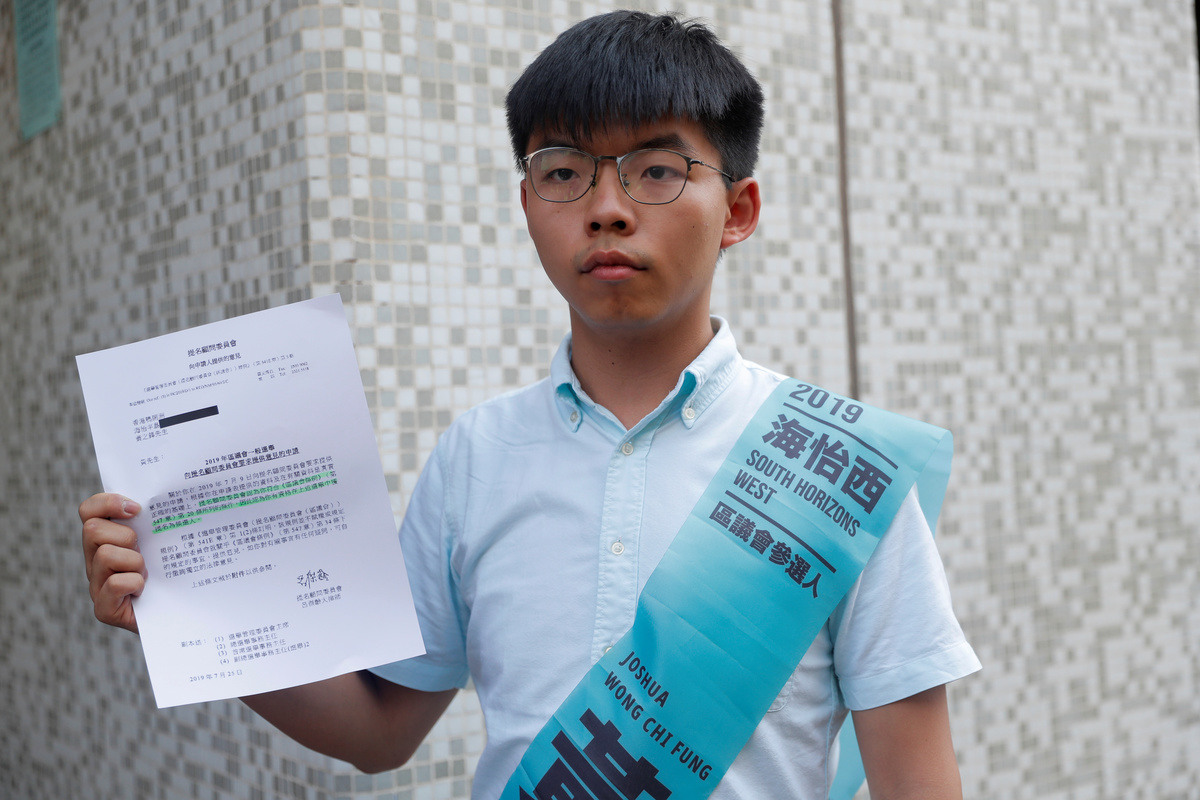
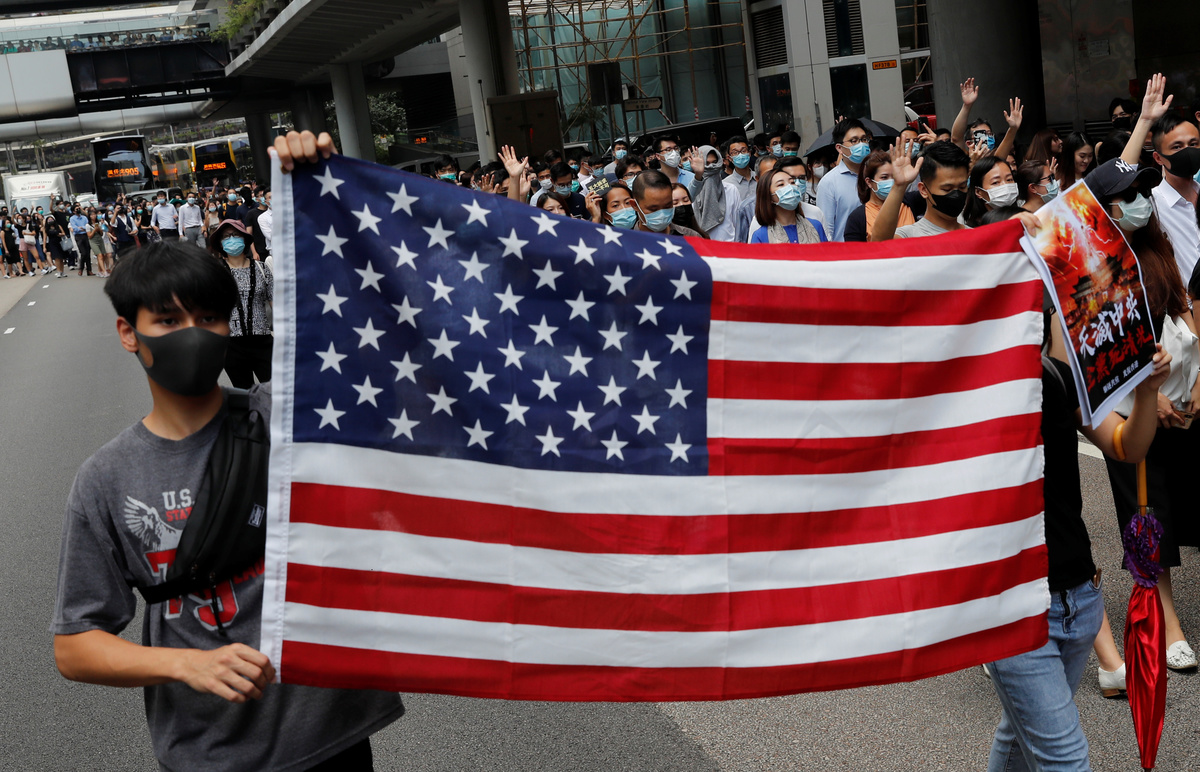
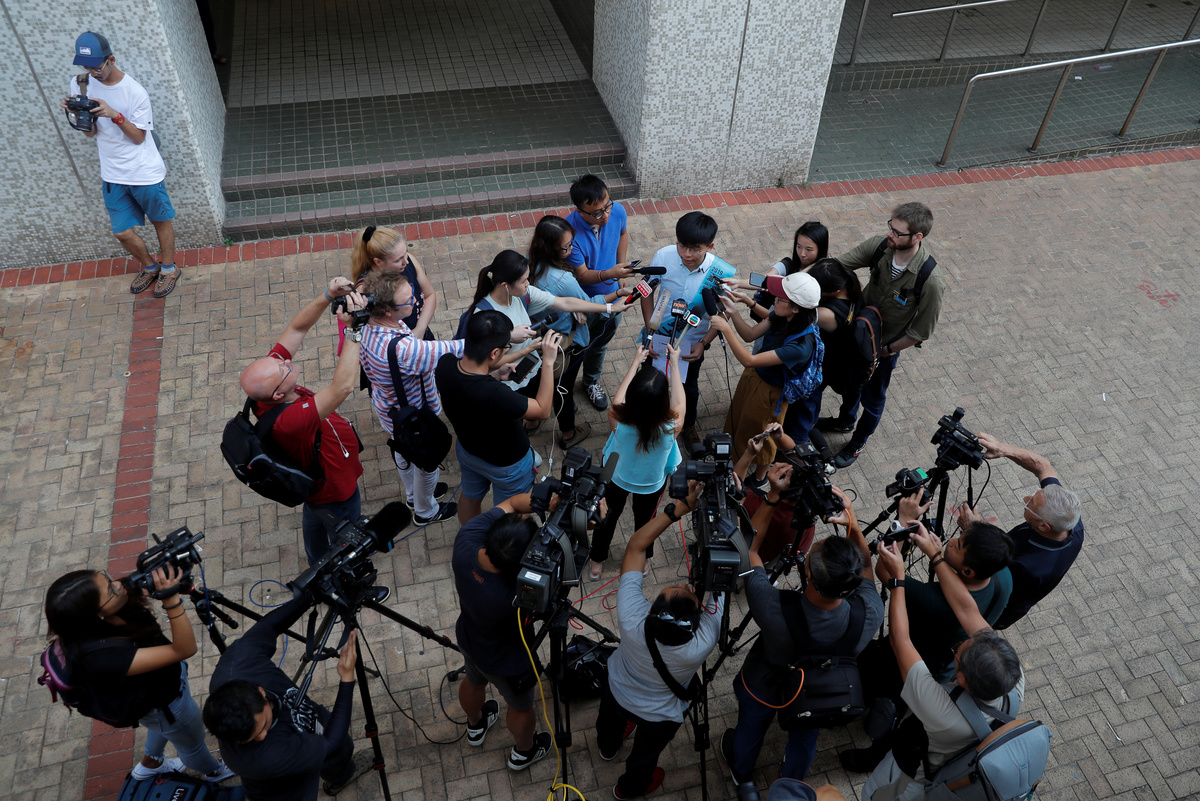
Anti-government office workers wearing masks attend a lunch time protest, after local media reported on an expected ban on face masks under emergency law, at Central, in Hong Kong, China, October 4, 2019. REUTERS/Tyrone SiuAnti-government office workers wearing masks attend a lunch time protest, after local media reported on an expected ban on face masks under emergency law, at Central, in Hong Kong, China, October 4, 2019. REUTERS/Tyrone SiuAnti-government office workers wearing masks attend a lunch time protest, after local media reported on an expected ban on face masks under emergency law, at Central, in Hong Kong, China, October 4, 2019. REUTERS/Tyrone SiuAnti-government office workers wearing masks attend a lunch time protest, after local media reported on an expected ban on face masks under emergency law, at Central, in Hong Kong, China, October 4, 2019. REUTERS/Tyrone SiuAnti-government office workers wearing masks attend a lunch time protest, after local media reported on an expected ban on face masks under emergency law, at Central, in Hong Kong, China, October 4, 2019. REUTERS/Tyrone SiuAnti-government office workers wearing masks attend a lunch time protest, after local media reported on an expected ban on face masks under emergency law, at Central, in Hong Kong, China, October 4, 2019. REUTERS/Tyrone SiuAnti-government office workers wearing masks attend a lunch time protest, after local media reported on an expected ban on face masks under emergency law, at Central, in Hong Kong, China, October 4, 2019. REUTERS/Tyrone SiuAnti-government office workers wearing masks attend a lunch time protest, after local media reported on an expected ban on face masks under emergency law, at Central, in Hong Kong, China, October 4, 2019. REUTERS/Tyrone SiuAnti-government office workers wearing masks attend a lunch time protest, after local media reported on an expected ban on face masks under emergency law, at Central, in Hong Kong, China, October 4, 2019. REUTERS/Tyrone SiuAn anti-government protester wearing a mask attends a lunch time protest, after local media reported on an expected ban on face masks under emergency law, at Central, in Hong Kong, China, October 4, 2019. REUTERS/Tyrone SiuAnti-government office workers wearing masks attend a lunch time protest, after local media reported on an expected ban on face masks under emergency law, at Central, in Hong Kong, China, October 4, 2019. REUTERS/Tyrone SiuAnti-government office workers wearing masks attend a lunch time protest, after local media reported on an expected ban on face masks under emergency law, at Central, in Hong Kong, China, October 4, 2019. REUTERS/Tyrone SiuAnti-government office workers wearing masks attend a lunch time protest, after local media reported on an expected ban on face masks under emergency law, at Central, in Hong Kong, China, October 4, 2019. REUTERS/Tyrone SiuAnti-government office workers wearing masks attend a lunch time protest, after local media reported on an expected ban on face masks under emergency law, at Central, in Hong Kong, China, October 4, 2019. REUTERS/Tyrone SiuAnti-government office workers wearing masks attend a lunch time protest, after local media reported on an expected ban on face masks under emergency law, at Central, in Hong Kong, China, October 4, 2019. REUTERS/Tyrone SiuJoshua Wong, secretary-general of Hong Kong's pro-democracy Demosisto party, poses before submitting his application for the race in the 2019 District Council Election, at the Southern District Office in Hong Kong, China, October 4, 2019. REUTERS/Susana VeraAnti-government office workers wearing masks attend a lunch time protest while holding up a U.S. national flag, after local media reported on an expected ban on face masks under emergency law, at Central, in Hong Kong, China, October 4, 2019. REUTERS/Tyrone SiuJoshua Wong, secretary-general of Hong Kong's pro-democracy Demosisto party, talks to the media before submitting his application for his race in the 2019 District Council Election at the Southern District Office in Hong Kong, China, October 4, 2019. REUTERS/Susana Vera
Sign up to read this article
Read news from 100’s of titles, curated specifically for you.