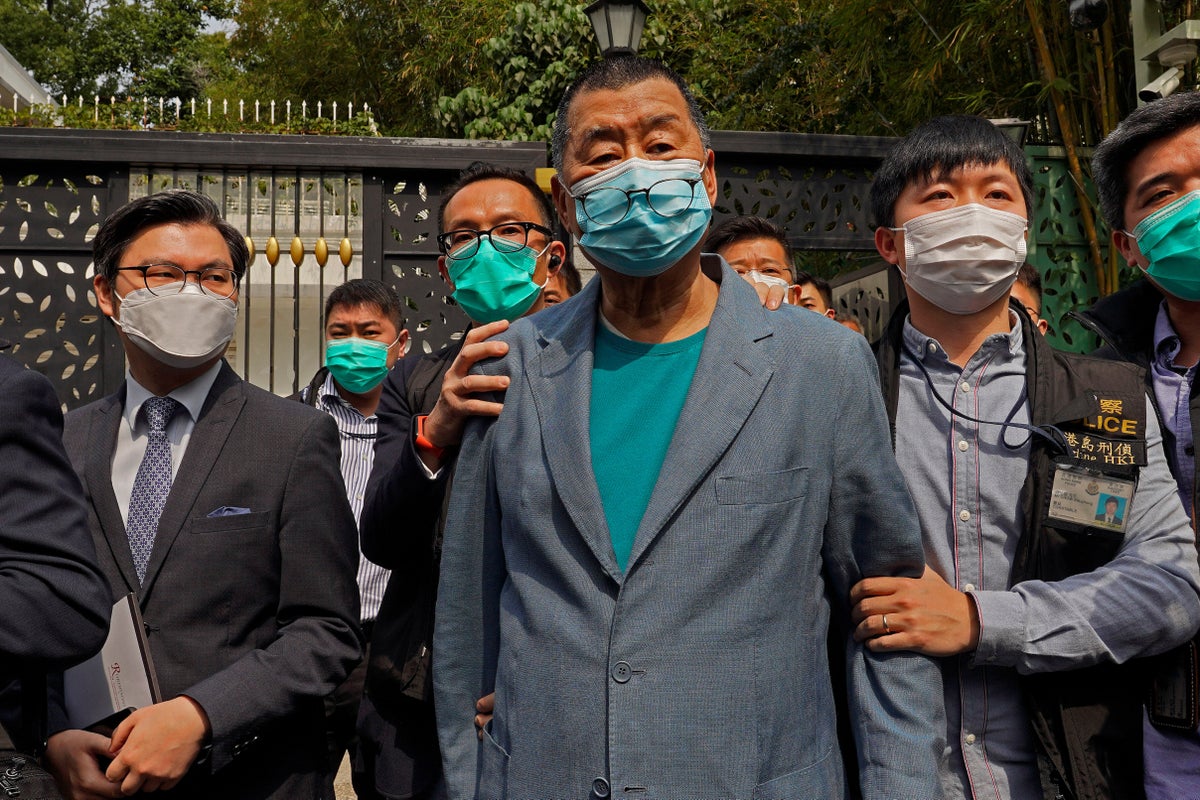
Hong Kong authorities are seeking to confiscate funds and corporate shares worth millions of dollars from jailed media mogul Jimmy Lai, which they assert are linked to crimes he committed, according to a court document.
The court filing, however, does not detail how the property, estimated at over 127 million Hong Kong dollars ($16 million), is linked to Mr Lai's apparent crimes. Authorities had previously indicated they would pursue asset forfeitures but had not revealed the specific sum.
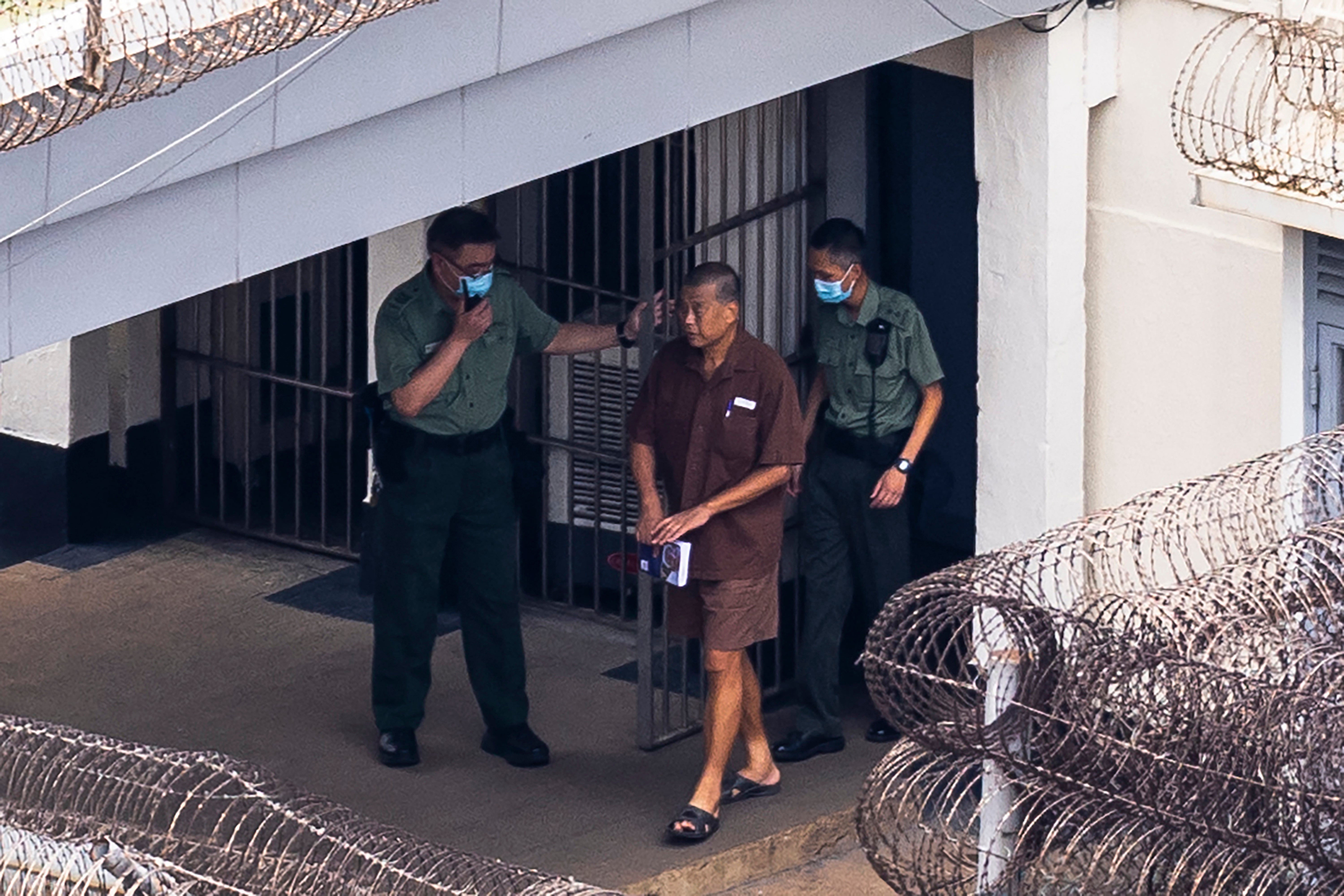
Mr Lai, an outspoken critic of China’s ruling Communist Party and founder of the now-defunct Apple Daily newspaper, was convicted in December of conspiring to collude with foreign forces and publishing seditious articles. His 20-year prison sentence, handed down in February, represents the toughest penalty issued so far under Beijing’s sweeping national security law.
Critics say his conviction reflected the decline of press and other freedoms in the city, a former British colony that returned to Chinese rule in 1997. The government insists the case has nothing to do with a free press, saying the defendants used news reporting as a pretext for years to commit acts that harmed China and Hong Kong.
According to a document sent to the city's court system earlier this month, the Department of Justice is seeking an order for Lai to forfeit to the government money held in 15 bank accounts under his name, money held in bank accounts under various companies, as well as shares in various companies held by him or others.
The money the government is seeking to seize also includes bail money deposited in the court system and a fine of 2 million Hong Kong dollars ($255,440) imposed on Lai for fraud convictions in 2022, which could be refunded to him after the convictions were quashed in February.
The government announced that it had applied to seize the properties linked to Lai's crimes on April 2 in a statement. At that time, the government cited the security law, saying that the funds and tools used or intended to be used in committing an offense shall be confiscated, as well as proceeds obtained in the commission of an offense.
The government said an order made for the purpose of safeguarding national security can prevent convicts, their accomplices or agents from continuing to use their offense-related properties to engage in acts and activities endangering security.
A hearing on the case is scheduled for July.