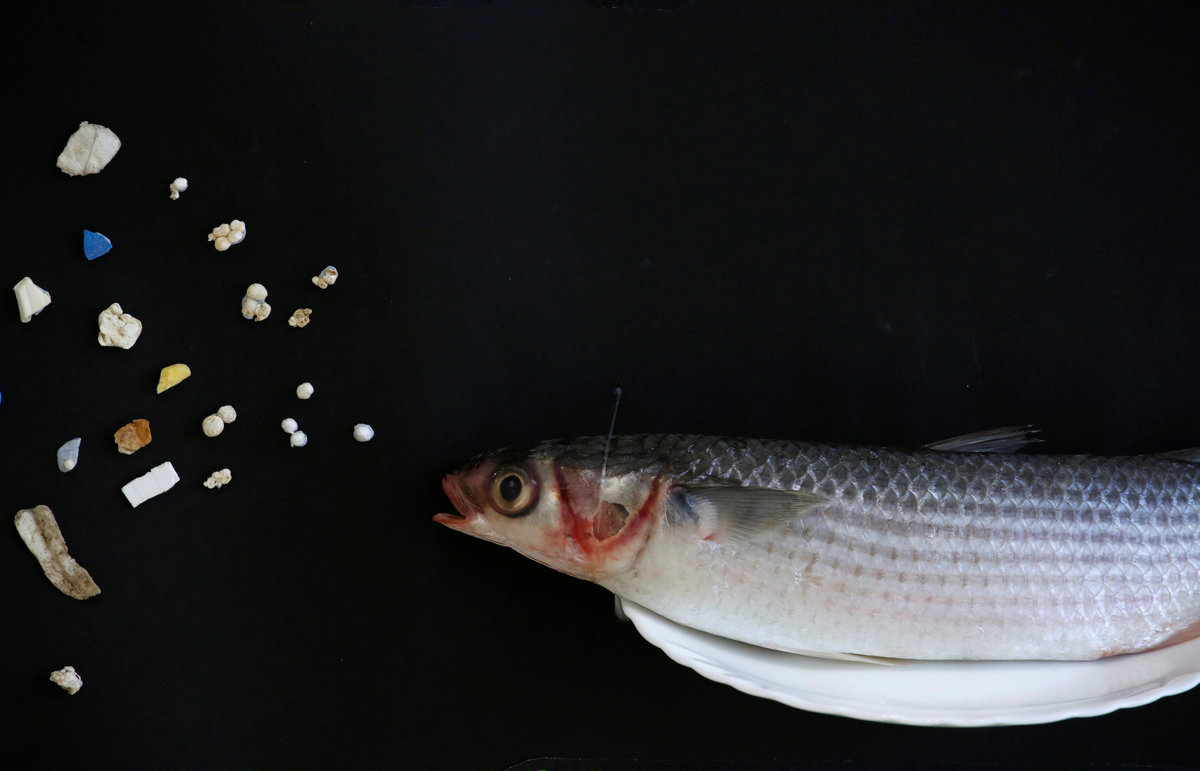
HONG KONG (Reuters) - Sixty percent of Hong Kong’s commonly eaten grey mullet fish contain large quantities of microplastic, with some ingesting 80 pieces, a report by environmental activist organization Greenpeace said on Monday.
Apart from the popular flathead grey mullet at least 170 marine species, including mussels, lobsters and silver herring, in the southern Chinese territory have been found to contain microplastic, said Greenpeace.
Greenpeace campaigner Chan Hall Sion said the existence of microplastic in so many marine species "increased the chance of putting toxins on the eating tables” of people in one of the world's most densely populated cities.
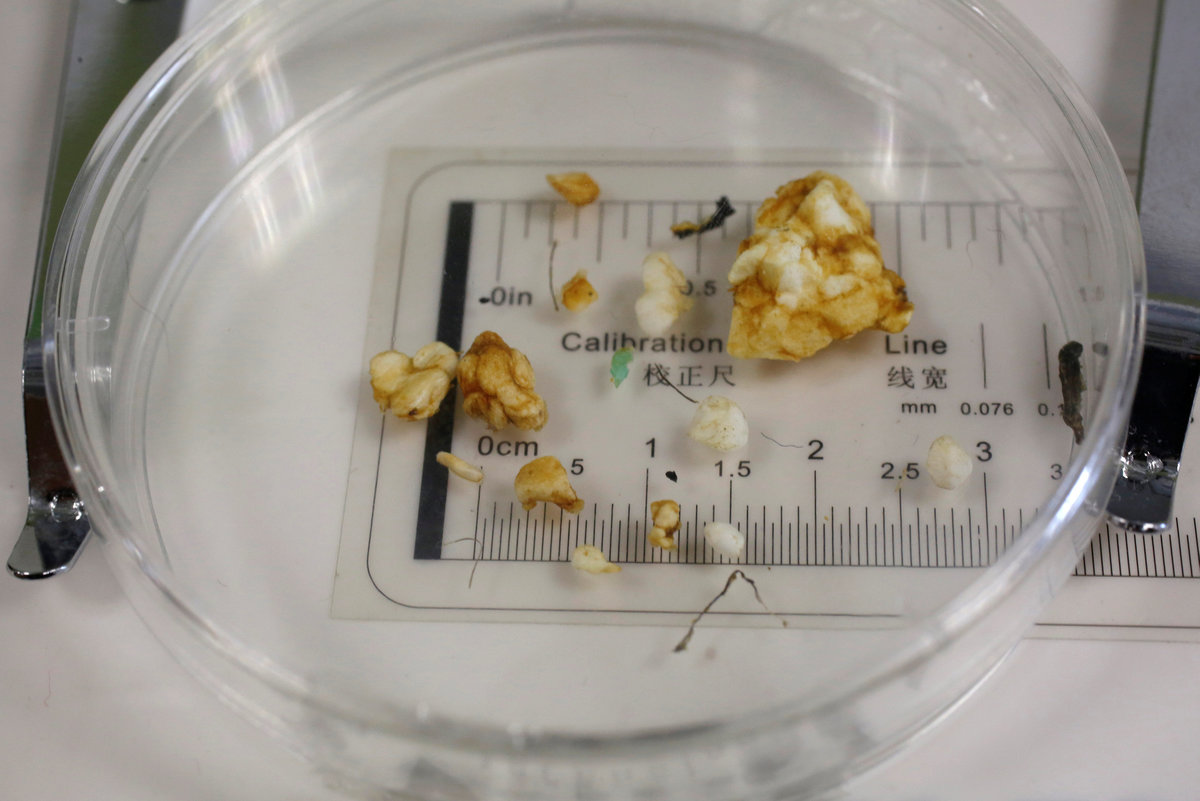
Hong Kong has struggled to combat plastic waste, with the Education University of Hong Kong saying beaches have on average 5,000 pieces of microplastic per square meter -- 2.4 times higher than the U.S. microplastic concentration level.
A culture of eating out, fast food and takeaway in the territory is fuelling a rising tide of plastic waste.
Around 3 tonnes of rubbish was cleared from Hong Kong's beaches on Sunday as residents took to the coastlines to pick up plastic items including wrappers, packaging children's toys and cigarette lighters. Some of the rubbish had been lying there for over a year, local media reported.
The Greenpeace report said there were on average 4.3 pieces of plastic fragments found in each mullet and the majority of plastic came from single use items like plastic cutlery and condiment bags.
Greenpeace urged the Hong Kong government to quicken legislation to restrict the use of single-use plastics and announce an overall plastic reduction target.
Hong Kong, a city of more than 7 million people, deposits around two thirds of its 5.6 million tonnes of annual waste in landfill, very little is recycled.
(Reporting by Farah Master; Editing by Michael Perry)