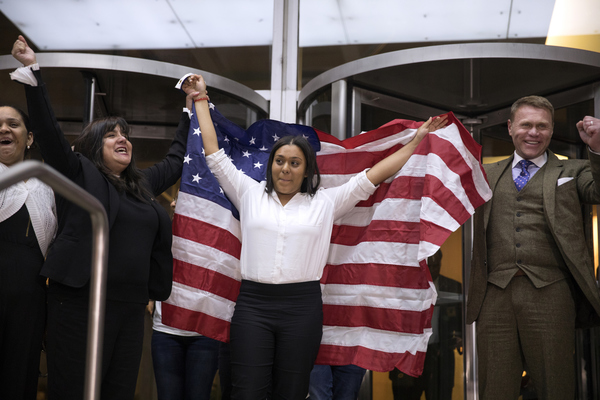
CHICAGO _ Like most teens, Maryori Urbina-Contreras talks about her life in the future tense: getting her driver's license in a few more months, finding a part-time job, taking senior year classes at Waukegan High School in English now that she has a command of the language.
For the Honduras-born girl, who is living in the country illegally, reaching those milestones in the United States is far from certain. Her fate is in the hands of a Chicago immigration judge who could decide as soon as Wednesday whether she'll be granted her request for asylum or be deported. Four years ago, the now 17-year-old fled Honduras by herself _ part of a wave of minors escaping violence in mostly Central American countries _ in search of a safe place to live. Her story was chronicled a year later, in 2015, in the Chicago Tribune.
What's expected to be her final immigration hearing Wednesday comes as debate rages on the issue of who should be allowed to come to _ or stay in _ this country. President Donald Trump has pushed for creating a wall at the Mexico border and ending the Deferred Action for Childhood Arrivals program, commonly known as DACA, which allowed "Dreamers" _ those who arrived in this country when they were minors without documentation _ to work and go to school with a low risk of deportation.
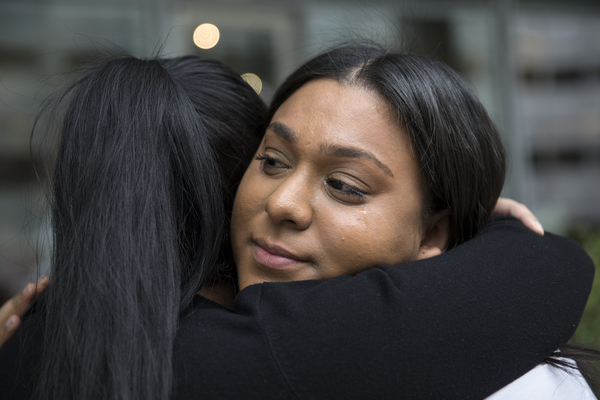
Maryori doesn't meet the "Dreamer" qualifications; the program requires her to have arrived in this country at age 16 or younger and to have lived here continuously since 2007. She is making a bid for asylum, a tough argument in the court system, considering Hondurans have faced a 78 percent denial rate nationwide. Her attorney argues the teen can't live in her home country because of the incessant gang violence that led to her witnessing and becoming the target of violent robberies.
But advocates for immigration reduction, such as the Federation for American Immigration Reform, argues young people in the country illegally clog up the courts with asylum claims that further delay their deportation to their country of origin.
"The whole system creates an incentive for people to come here, to send their kids here," said Ira Mehlman, spokesman for the group. "In many cases, minors, 16 or 17 years old, come here understanding that they will be released to relatives."
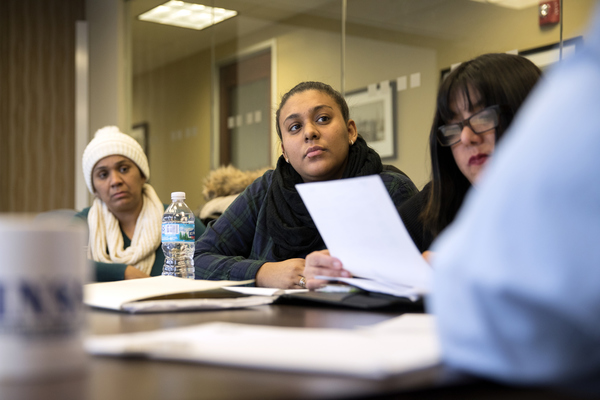
While her immigration case, like most, has moved at a sluggish pace through the court system, Maryori has made a new life for herself, even seeing her dream of reuniting with her mother come true. The girl's mother left Honduras when Maryori was a small child, and Maryori traveled to the United States to find her. Today, the teen, her mother and two younger sisters share a home in the northern suburb. The thought of leaving is painful enough, but the thought of what awaits her is downright frightening, she says.
"I can't return to my country because of all the danger that is happening," she said in Spanish. "I could be assassinated in my country because of the situations that are happening, and here I'm safe from harm with my family."

.png?w=600)