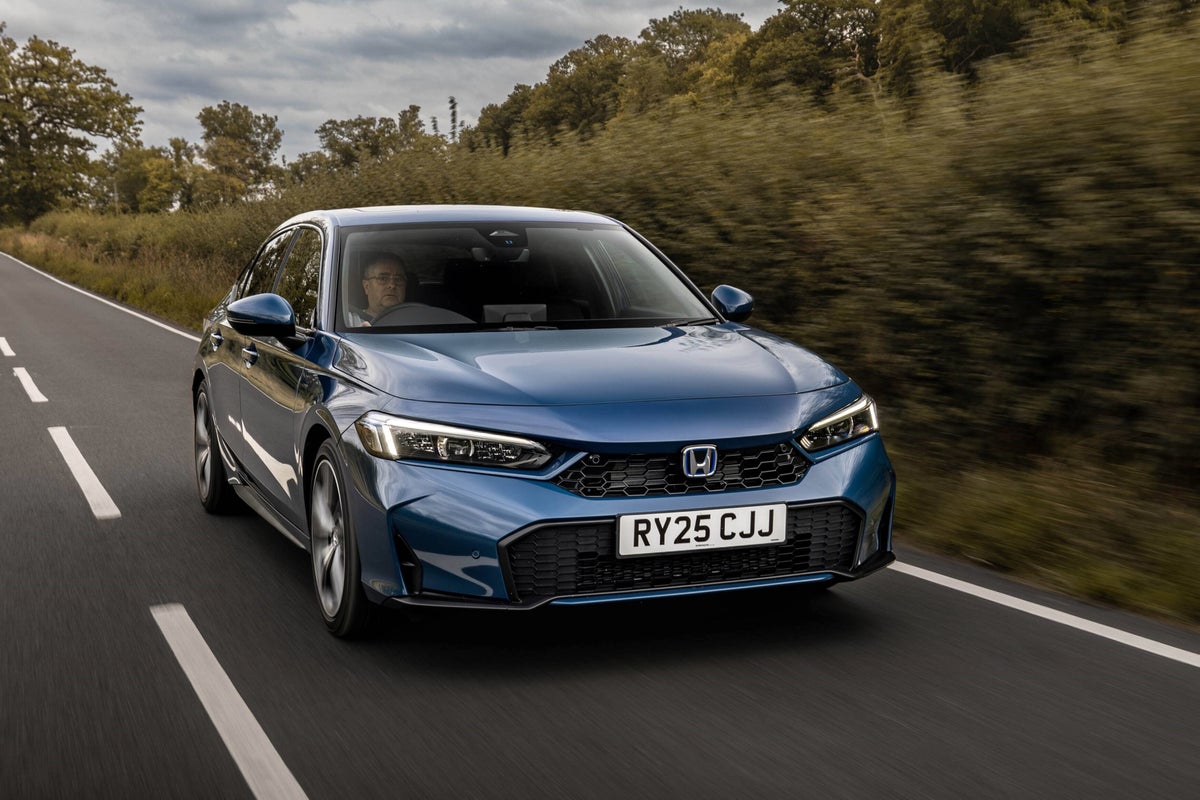
So here’s a car that you can really covet: the Honda Civic.
I know. Unlikely. It’s not a supercar. It’s not a “premium” brand. It’s not a still-fashionable SUV or a crossover, but a straightforward five-door, five-seater hatch. It’s pretty much no longer even got its high performance Type R variant as a “halo” model, driven off the market by the emissions regulations (understandable but regrettable – you may still be able to lay your hands on a future classic). And, well, it’s a Honda Civic, which inevitably means it’s associated with an older, more sedate sort of motoring clientele. People such as me, in fact.
The styling has been recently updated and the interior materials improved, and it’s an obviously well-built machine – but tastefully stylish rather than modish and hi-tech like, say, the latest kit coming in from China and the likes of BYD.
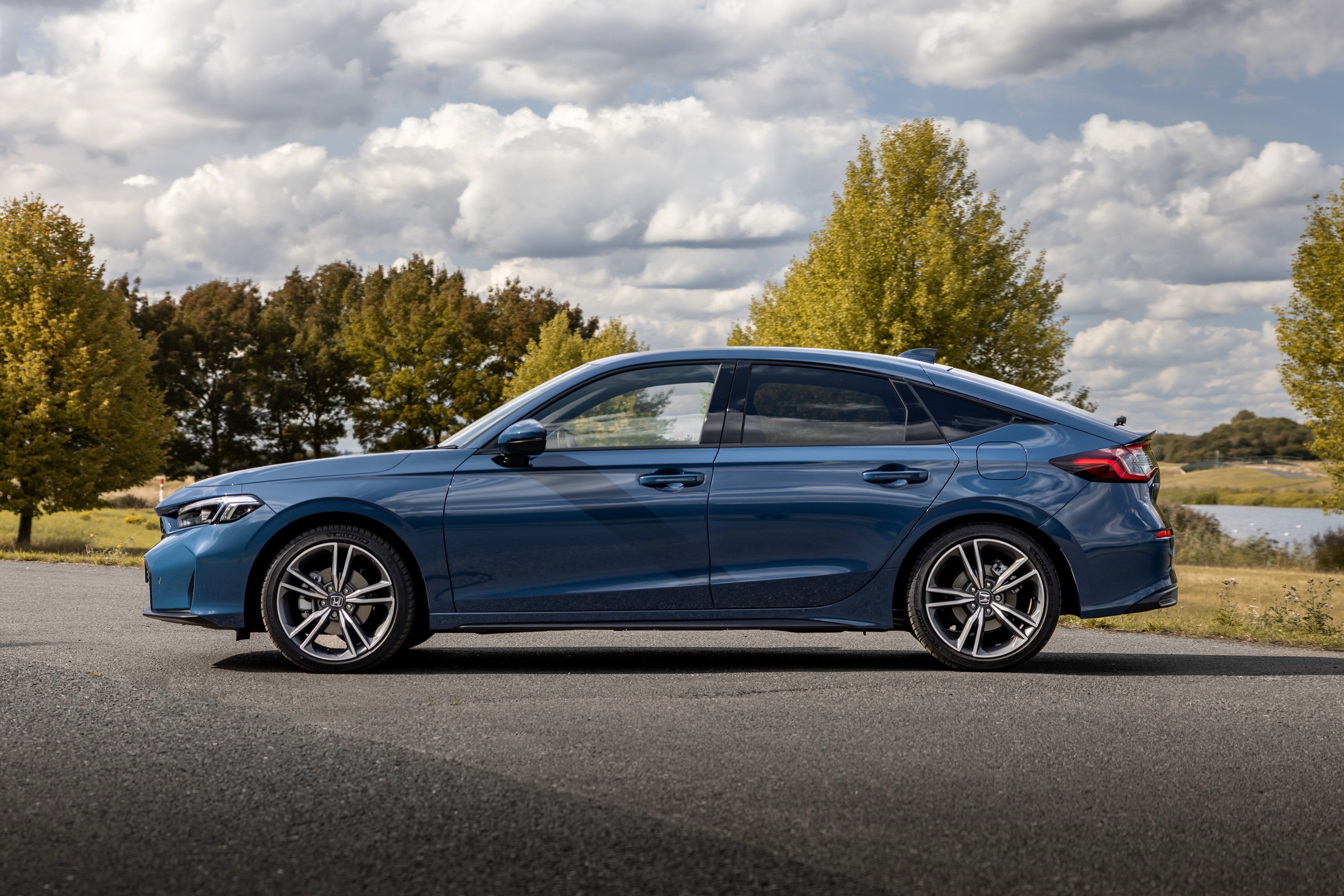
So why covet a Civic? Because it’s a joy to drive. It’s simply one of the nicest, smoothest and most beautifully handling models I’ve had the pleasure of piloting in some time, and it’s another huge tribute to the expertise of the Honda engineering team. As with most of the other models in the Honda range, they’ve created a distinctive approach to their standard hybrid powertrain, blending the optimal mix of petrol engine, battery pack and self-charging regeneration to give an equally ideal mix of economy and performance.
As someone who would prefer it if we didn’t junk our cars quite as soon as we do these days, often because they’re too complex to maintain or repair economically, I am a little concerned about the extent to which the Civic relies on the electronics to make it such an excellent package. Will it still be functioning so happily in, say, a decade’s time? Would it be easy and worthwhile to fix while the rest of the car is still sound and practical, even when petrol grows scarcer to find in an all-electric future (the precise opposite situation to now)?
The Spec
Honda Civic Sport
Price: £38,695 (as tested, range starts at £33,795)
Engine capacity: 2l petrol, 4-cyl + battery, auto
Power output (hp): 141 bhp + 181 electric motor
Top speed (mph): 112
0 to 60 (seconds): 7.9
Fuel economy (mpg): 56.4
CO2 emissions (WLTP, g/km): 114
I can’t say I’m confident about any of that. Yet I’ve no doubt that the Honda will be durable and renewable for a very long time – and, as I say, will reward the keen driver with superb handling and a thoroughly cosseting ride.
The brakes, pretty much like everything else, are weighted just right for responsiveness, and the steering’s just slightly on the light side, another part of its basically highly relaxing personality. As ever on a Honda, you extract the best out of it by pushing the revs high, which happens to make it more tuneful. Even the transmission, usually a bit of a weak spot on a hybrid, is perfectly acceptable. Interestingly, the bonnet is aluminium and the tailgate is plastic, to save weight.
These days, this shape of car isn’t the norm any more, so it’s quite likely that when you settle into the driving seat you’ll feel quite low to the ground, which you are, compared to sitting in an SUV. The upside is a better centre of gravity, more fun on the corners, and just that bit more engagement with the machine. It’s not particularly rapid, to be fair, at about 7 seconds to 60mph, but that’s not something you’ll either notice or resent. You’ll still enjoy yourself.
Room in the front is very good, in the back OK, and in the boot, broadly competitive. Kit levels are generally high and commensurate with its high pricing – but depreciation shouldn’t be as bad as for most of its numerous competitors. I’d think of its as a conventional alternative to, say, a Toyota C-HR, or a more refined answer to the Skoda Octavia, another “old school” family car design that’s also defying certain trends.
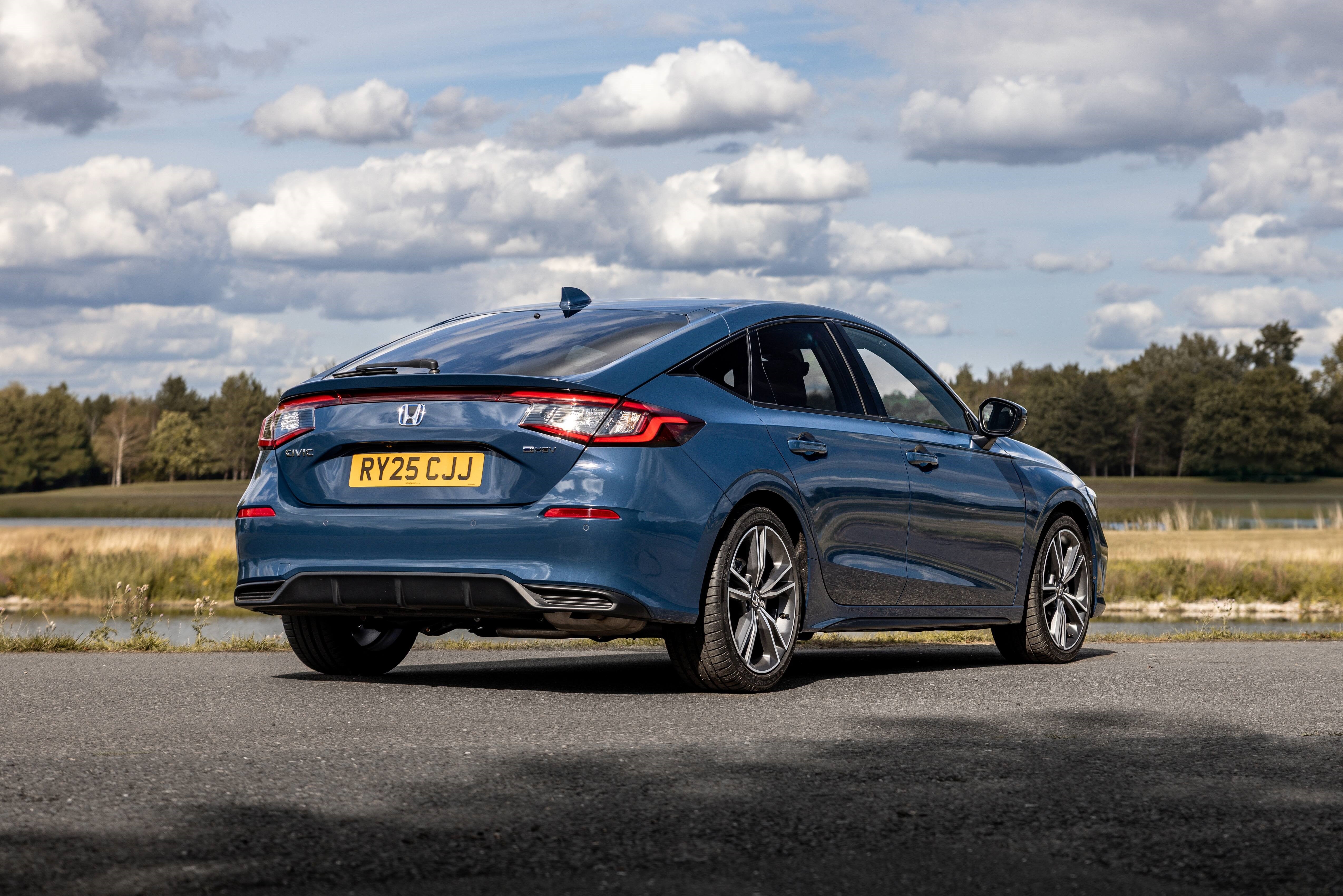
Now that the Civic Type R version, its rather more exhilarating and noisy sibling, is going, we only have three trim levels and one hybrid drivetrain to choose from, all with automatic gearboxes. There’s no three-door, coupe or estate, or a pure petrol, or even a plug-in hybrid (a shame for business users), while it is many years since a diesel option was on the list.
There’s not that much to choose between the base-level Elegance, the mid-range Sport, and the top Advance option – a matter of whether you really want, variously, a panoramic sunroof, a Bose stereo, or real leather seats. All have a more than adequate quotient of driver assistance, connectivity and comfort.
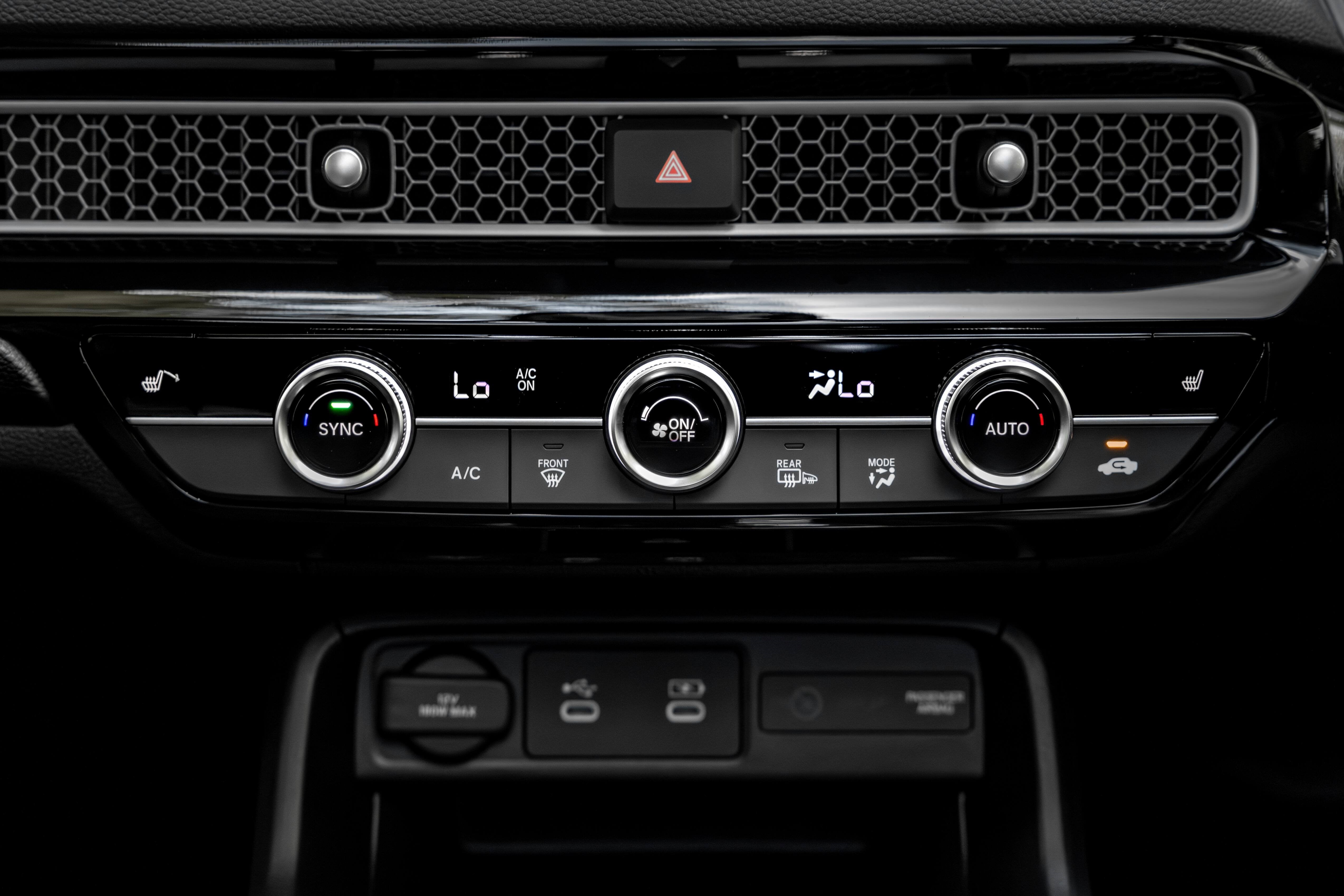
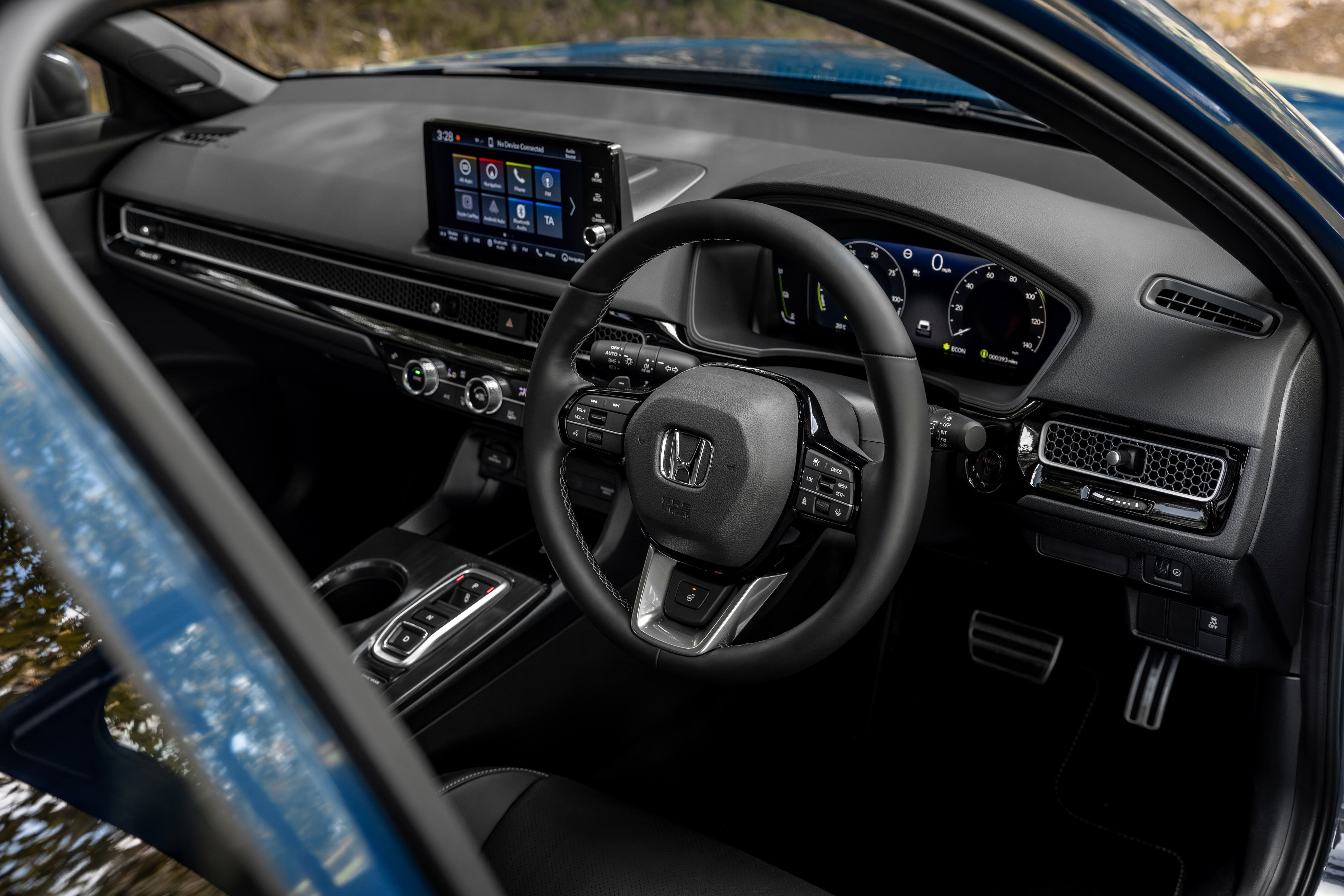
The controls for the aircon, radio and so on can all be operated directly by knobs and dials, on the dash or the steering wheel rather than via the touchscreen, as is so common now. They’re dated, in that sense, but easy to use, and that is as it should be.
The gear selector is an unusual and illogical combination of buttons and a toggle switch, one of the few features I didn’t care for. But that didn’t stop me from feeling envious of whoever ends up driving this highly desirable Civic when it’s retired from the press fleet. I actually miss it, which for me isn’t normal at all.
The electric cars I can’t wait to drive in 2026
‘This doesn’t magically make roads safer’: Readers clash over lower drink-drive limit
Drivers issued car breakdown warning ahead of ‘Manic Monday’
Nissan puts spark into an electric future for cars
Nissan Qashqai e-Power: a hybrid that lives up to EV-like billing – almost
How the ‘build your own’ Slate EV could change the future of cars