
As spring marches toward summer, you might be waiting eagerly for birds to flock to your backyard. Yet as easy as it is to pack your feeders with bird seed, wildlife and plant experts are urging gardeners to prioritize native planting instead – especially as the risk of shared diseases like Avian Pox starts to rise at this time of year.
While some plants, like sunflowers, provide direct food sources for birds, others attract insects which serve as vital protein sources. And come summertime, plants are a safer option than seed mixes, which can harbor diseases.
Ultimately, knowing how to feed birds is about more than hanging a feeder or installing a bird bath, and native plants are crucial. Below, experts explain why – and reveal the best plants to choose.
Why You Should Avoid Seed Mixes in Summer
While many of us rely on seed mixes to attract birds, there's a critical reason why experts advise against them at this time of year – and it all comes down to disease prevention.
'It's best to avoid seed mixes in summer,' explains Ida DeFrancesco, Owner of Farmer Joe's Gardens LLC. 'Fresh, natural food sources from living plants are always healthier than stored seeds that can harbor pathogens.'
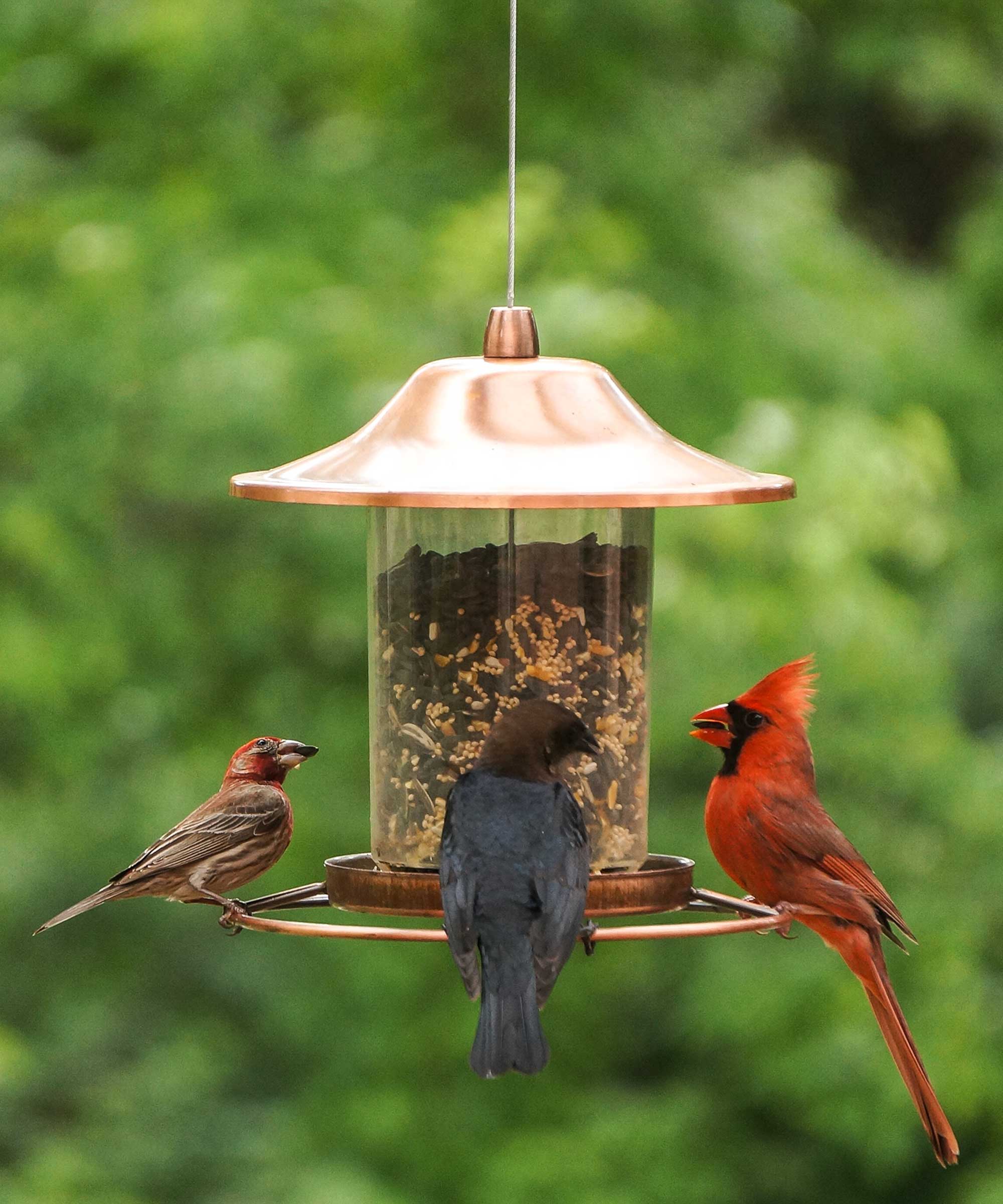
'During the warmer months, there is a greater risk of shared diseases like Avian Pox, Aspergillosis and Trichomoniasis,' adds wildlife expert David M. Burrows. 'Bacteria, fungus, and viral infections are usually spread by expelled shells and bird droppings.'
To mitigate risks, experts recommend avoiding bird feeders with flat surfaces. Since diseases can also be spread via bird baths, it's also important to provide fresh water every day.
Plus, although seed mixes are ideal during the winter months, when food can be scarce, they can end up disrupting birds' natural feeding patterns once spring arrives.
'Another reason not to use communal seed mixes is that they discourages birds from natural foraging,' says David. 'This means that birds can become dependent on humans, rather than seeking out food in the wild.'
The Native Plants to Choose Instead
With all of this in mind, now is the time to focus on choosing plants for birds. Since they attract insects and other invertebrates for birds to feed on, native plants are some of the best ways to help garden birds in summer – and they're guaranteed to bring plenty of joy to your garden.
'For summer feeding, focus on native plants that attract insects – birds' main food source right now,' explains Ida. 'We grow bee balm, echinacea, and clover specifically because they support the insect ecosystem that feeds birds.'
You can find balmy lilac bee balm (or monarda) at Burpee, and magnus purple echinacea (coneflower) at Nature Hills.
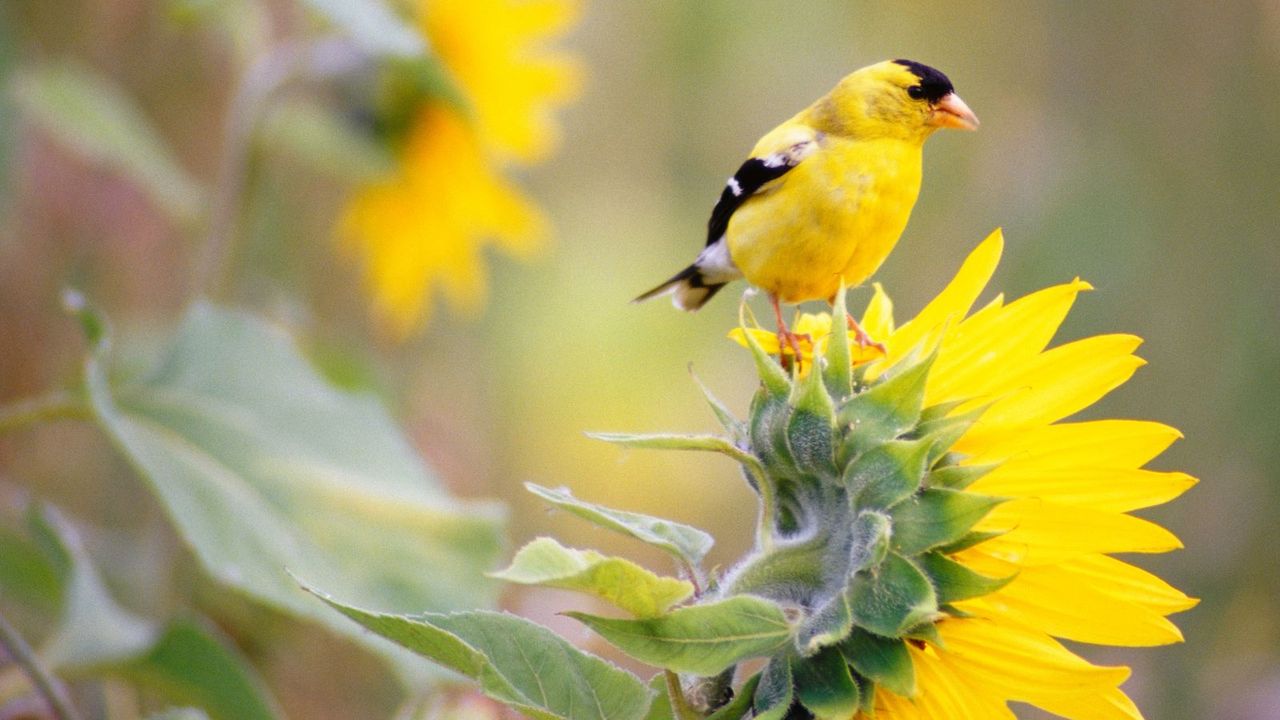
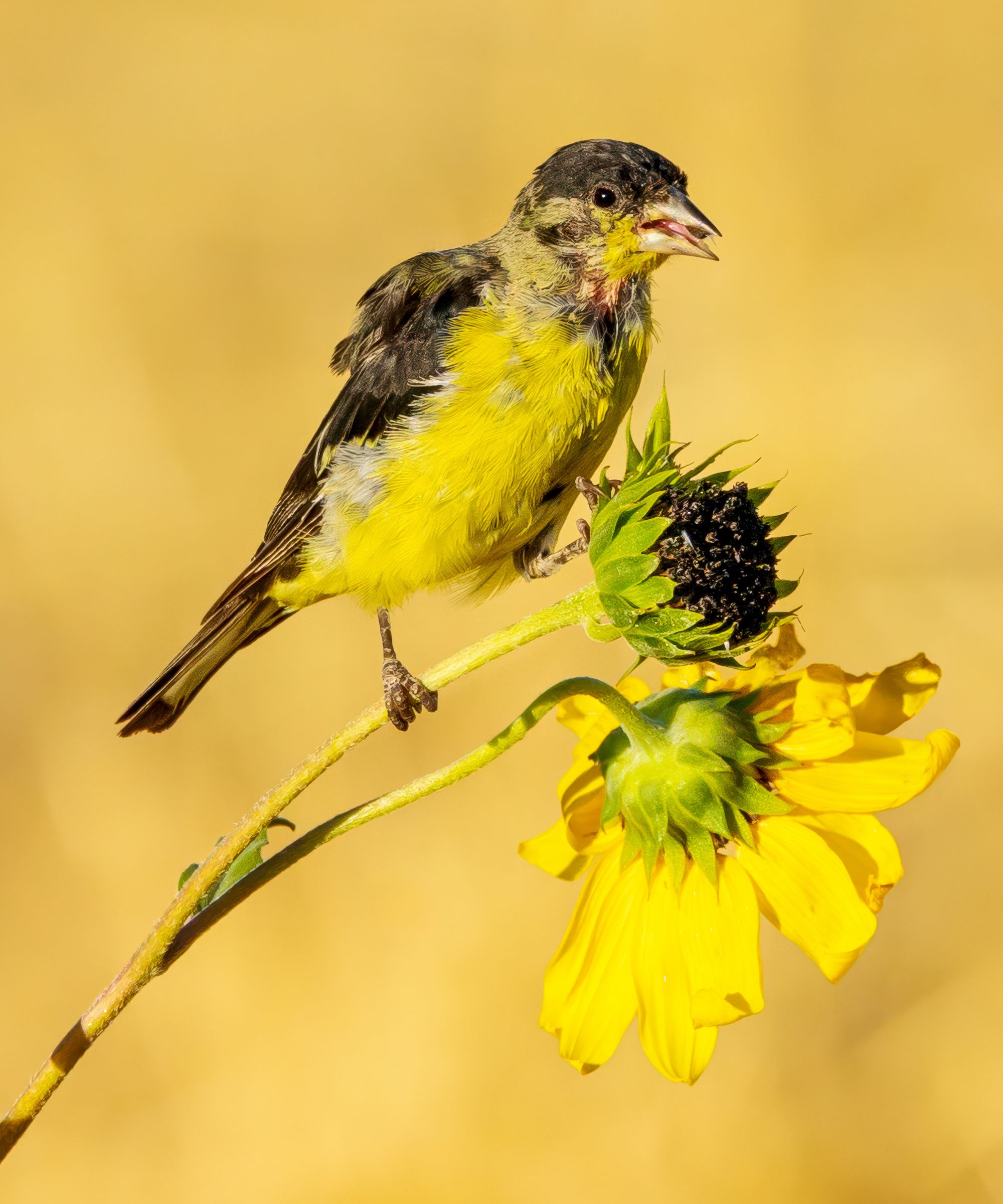
Put simply, prioritizing plants for pollinators will help attract birds and keep them fed all summer long. Sunflowers are a particularly brilliant choice: not only are they a magnet for bees and butterflies – helping you to create a thriving wildlife garden – but they also provide seeds for birds to feed on directly.
'We plant sunflowers in succession from now through summer,' says Ida. 'Different varieties mature at different times, creating months of fresh seeds.'
Many gardeners rely on black oil sunflower seeds (which you can easily pick up at Amazon) to attract birds – and while it's best to hold off on seed mixes right now, growing sunflowers in your yard will allow birds to enjoy this delicacy straight from the source.
'We rarely harvest the seeds ourselves; wild birds discover the heads and create feeding parties,' says Ida.
The best part? Planting sunflowers can also prevent birds from feeding on other crops in your garden.
'Sunflowers naturally draw birds away from our other crops, like corn,' says Ida. 'It's strategic companion planting: give birds what they want most – fresh sunflower seeds – and they'll leave your vegetables alone.'
What to Shop
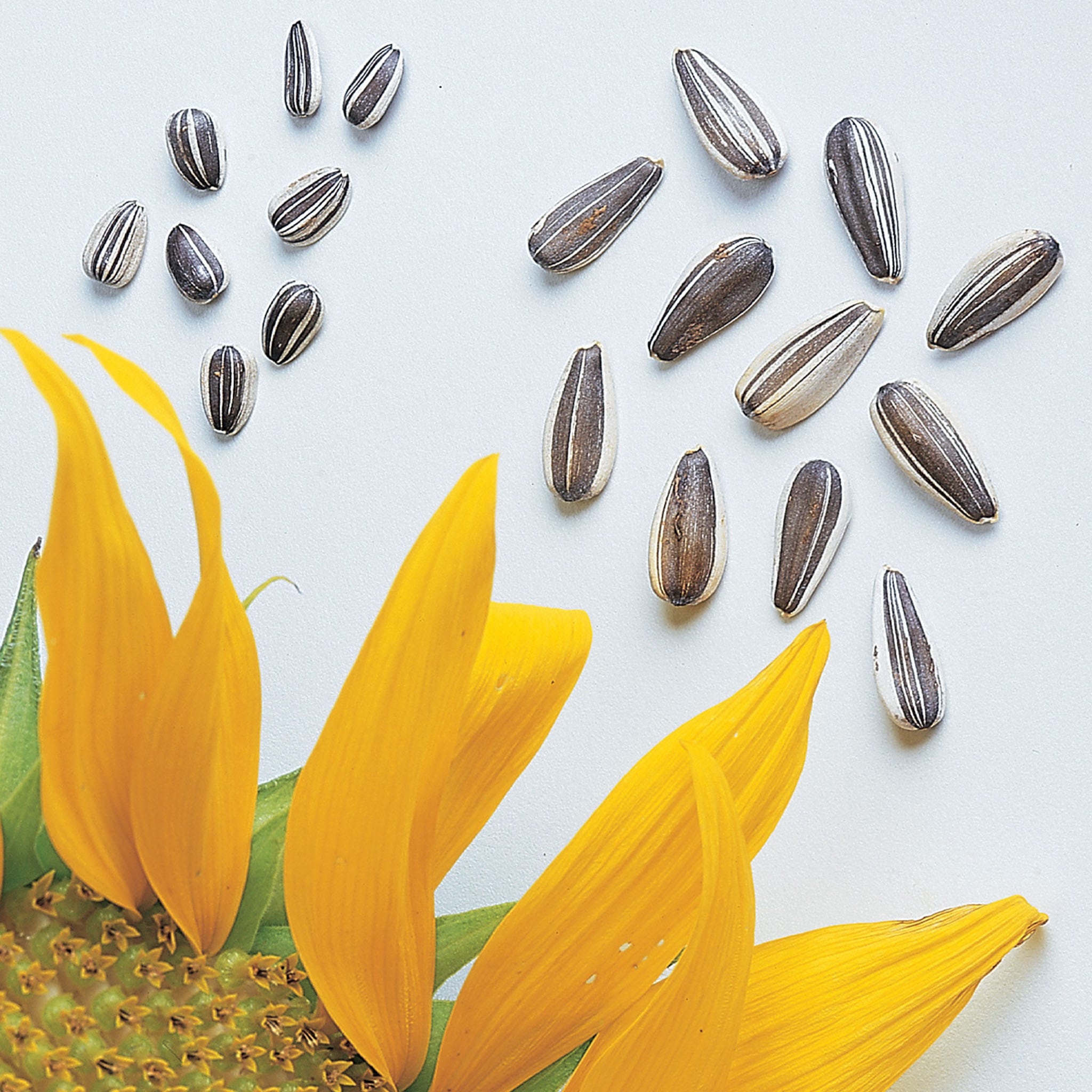
According to Burpee, this sunflower mix produces the easiest seeds to crack – whether you're planting them for birds or to snack on yourself. These sunflowers are will grow to around five feet.
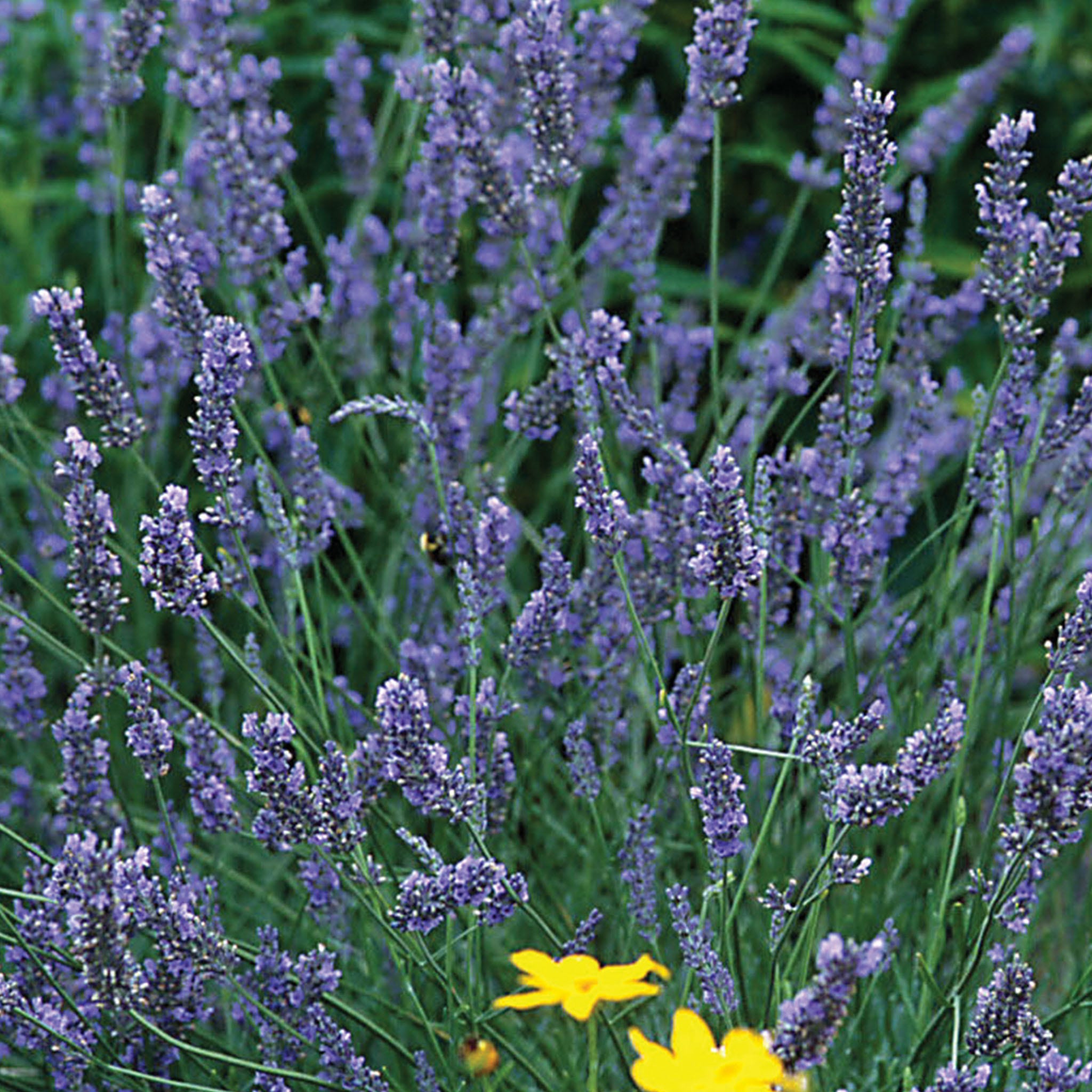
Growing lavender is an excellent way to attract a host of pollinators to your garden, and it will also help support garden birds. It's drought-tolerant and low-maintenance.
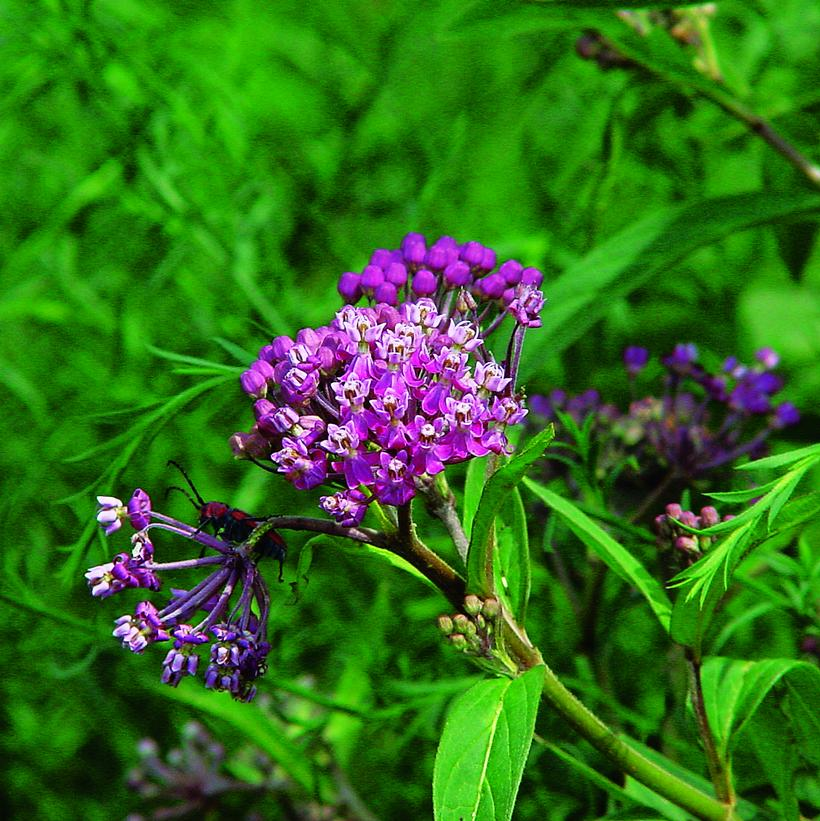
Milkweed (or asclepias) is beloved by butterflies, but it also provides a vital nesting material for birds – and its seeds are a brilliant food source for them in the summertime.
If you're hunting for more tips, check out our guide to flowers to plant around a bird bath, or take a look at our favorite bird house ideas.
And if you love inspiring garden ideas, outdoor advice, and the latest news, why not sign up for our newsletter and get the latest features delivered straight to your inbox.