An increasing number of homeowners have been looking at their old-style water-heater tanks differently recently, and the logic behind this phenomenon may actually be rather obvious. No matter whether anyone uses heated water or not, there could be a steady and gradual heat loss from the tank during the entire day.
Based on what is stated in the Energy Guide of the Department of Energy, water heating should definitely be considered an important expenditure within a typical household. It appears that, along with water usage reduction, installing a more efficient water heater and lowering temperature settings, insulating water heaters and water pipes, is among the key means of making savings in this area.
From the standpoint of current trends, it may be appropriate to assume that for some households, insulating the water tank would mean a rather natural maintenance procedure instead of a considerable upgrade.
Why tank heat loss matters
Any older water heater tank will inevitably lose some heat to the air around it. Thus, the energy invested in heating water can be lost gradually even without any showers, dishwashing, or faucet usage.
As mentioned on the site of the Department of Energy, tank insulation could be a means to minimize this kind of standby heat loss. The department emphasizes that this process is not a radical change, but rather an attempt at minimizing unnecessary losses in the daily functioning of the household.
From a consumer perspective, one would end up spending money to heat up water that might lose its temperature before being used. In this sense, it would be more evident for older water tanks with lower quality insulation integrated into their design.
In addition to the recommendation of insulating the water tank, the Department of Energy mentions other methods of improving efficiency. They include adjusting water heater settings, insulating hot water pipes, lowering water consumption, and switching to efficient models whenever necessary.
What the doe says, homeowners should check first
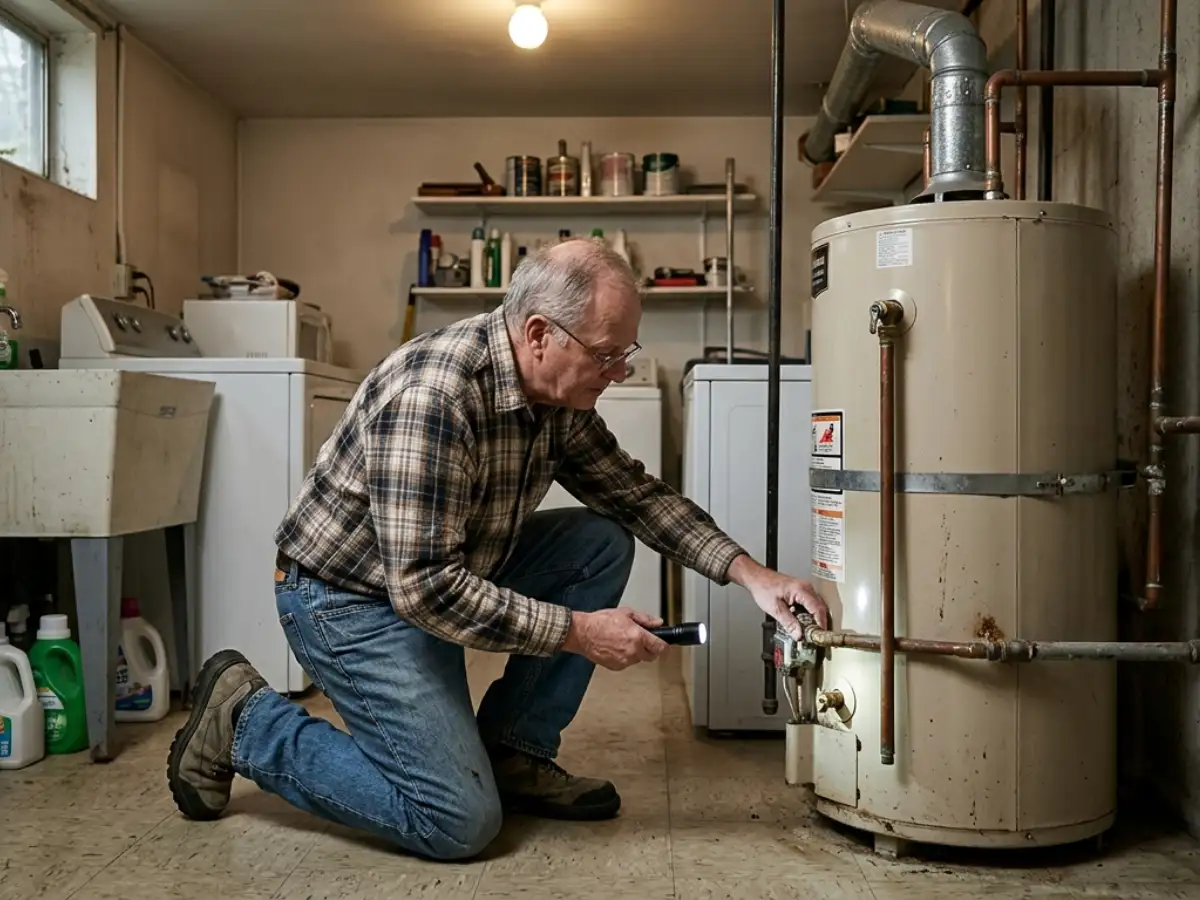
Before proceeding to wrap the water heater, the DOE suggests checking the water tank itself for any signs of leakage. According to the agency’s “DIY Insulation of Water Heater Tank” guide, insulation should only be applied to tanks that are still in good working order.
This detail is critical. The leaky water heater must be replaced, not insulated. Wrapping the malfunctioning tank will not address the problem, but it may lead to further postponement of repairs.
By focusing on the maintenance aspect of this task, the DOE guidelines ensure that homeowners remain realistic about their options. Instead of immediately jumping into insulation, one must consider the condition and age of the equipment.
If the water heater is old but still working well, then wrapping the tank may serve as an intermediary step between doing nothing at all and replacing the heater.
A diy project with growing appeal
The Department of Energy, in the DIY Energy Savers Projects category, also incorporates water heater insulation as one of the projects aimed at helping homeowners save on energy and money.
This placement goes a long way toward explaining the continued appeal of this project. As opposed to significant renovations, insulation of the water heater is regarded as an achievable activity by homeowners. The project is also included among similar activities, such as insulating the water pipes and reducing water heating temperatures.
In this way, each of these relatively minor changes aims at addressing the same problem – heat losses that do not add any value. The DOE also indicates that some utility companies provide free or inexpensive insulation services. For homeowners already considering measures to decrease their monthly utility bills, this further lowers the barriers to engaging in the activity.
Why older tanks draw the most attention
Insulation has been primarily attributed to older tanks, which may be more susceptible to losing their heat compared to the higher efficiency models produced today. Rather than the necessity of having access to hot water in the home, the real question becomes how much heat is lost while the water is sitting in the tank.
The Department of Energy has emphasized that the benefits of insulating the tank can help cut down on the heat lost in idleness. For families who do not want to invest in purchasing a new water heater, insulation can be considered an acceptable middle ground.
However, it should be noted that the Department of Energy does not recommend insulating as a stand-alone solution; it is only a single component of their multi-tiered recommendation process. Some families may benefit more from lowering the temperature of their water heater by adjusting the thermostat.
Insulation, on the other hand, is valuable because it helps eliminate waste from working equipment.
Where insulation fits in the bigger picture
In fact, energy savings will generally result from several minor adjustments made at once. This is just one of the factors that should be considered. First, hot-water pipes might lose some energy as the heated water travels. Second, thermostat settings influence energy consumption. Finally, household water usage habits should also be considered.
This is why the DOE defines insulation as merely one aspect of an energy-saving checklist, not as an ultimate solution on its own. An individual who decides to cover up a water heater tank, leaving the pipes uninsulated, risks losing a significant portion of heat even before hot water flows out of a tap.
Nevertheless, for most American households with old water heaters, there is nothing complicated in this recommendation. In the case of an operational tank, additional insulation will help retain heat better. As claimed by the Department of Energy, it will result in a higher level of energy savings, which does not require drastic life-changing actions.