May 29 marks National Compost Day in the US, the perfect opportunity for us gardeners to think about how we use compost in our yards. Both homemade and store-bought compost are invaluable, but you may not realize they actually serve slightly different purposes.
Whether you make compost or simply reply on organic compost from the store (like this from Lowe's), both provide nutrients to encourage strong and healthy plant growth. But, there are some differences to consider. The former provides a super sustainable supply, repurposing food scraps and garden waste, ideal for fertilizing plants. Meanwhile, store-bought compost can provide a convenient, healthy foundation for your garden.
However, Lauren Click, founder of Let's Go Compost, says to be careful with store-bought compost, as quality can vary hugely. Here, she explains more about homemade vs store-bought compost and what to look out for when purchasing your supply from the store.
Benefits of Homemade Compost
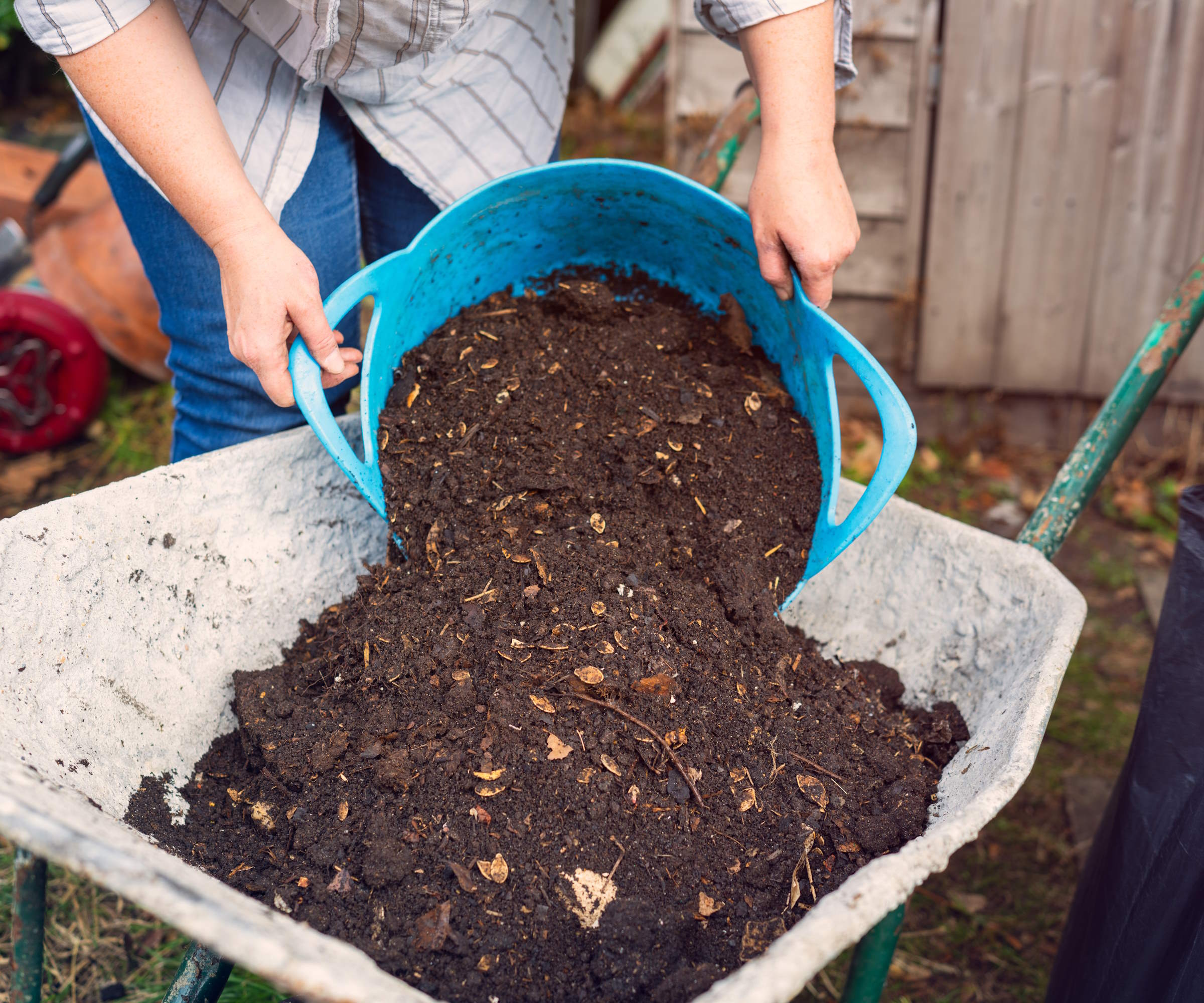
There are so many reasons why you should consider making your own compost. Not only does it use up food and garden waste, it also allows you to control what goes into the compost you use on your plants.
'Homemade compost is one of the most sustainable things a household can do because it keeps organic material local and closes the loop directly at home,' says Lauren.
'Instead of sending food scraps and yard waste to a landfill where they generate methane, those nutrients are returned back into the soil system,' she explains.
While there are many things you should never compost, including produce stickers and meat, fruit and veg scraps, grass clippings, and even cardboard can be thrown into your compost bin to make nutrient-rich compost.
'One of the biggest advantages of making your own compost is control. You know exactly what is going into it, whether that is kitchen scraps, leaves, untreated cardboard, garden trimmings, coffee grounds, or other organic materials,' Lauren says.
'This is all especially important for gardeners focused on soil quality, food production, chemical reduction, or regenerative gardening,' she adds.
But, to make your composting efforts successful, there are lots of composting mistakes to avoid. This includes not aerating it or maintaining high enough temperatures for decomposition to happen.
Tools like a compost aerator (from Amazon) and a compost thermometer (from Walmart) can help you.
There are also lots of ways to start a compost heap. You can use a traditional compost bin (like this from Lowe's), build a pallet composter, or even try lazy composting by stacking up organic materials.
'Worm composting systems are excellent for apartments and smaller gardens because they process food scraps indoors with minimal space,' Lauren says.
You can even purchase electric kitchen countertop compost bins, like this pretty white on from Amazon.
'Composting does not have to look one specific way to be effective!' Lauren adds.
Benefits of Store-Bought Compost
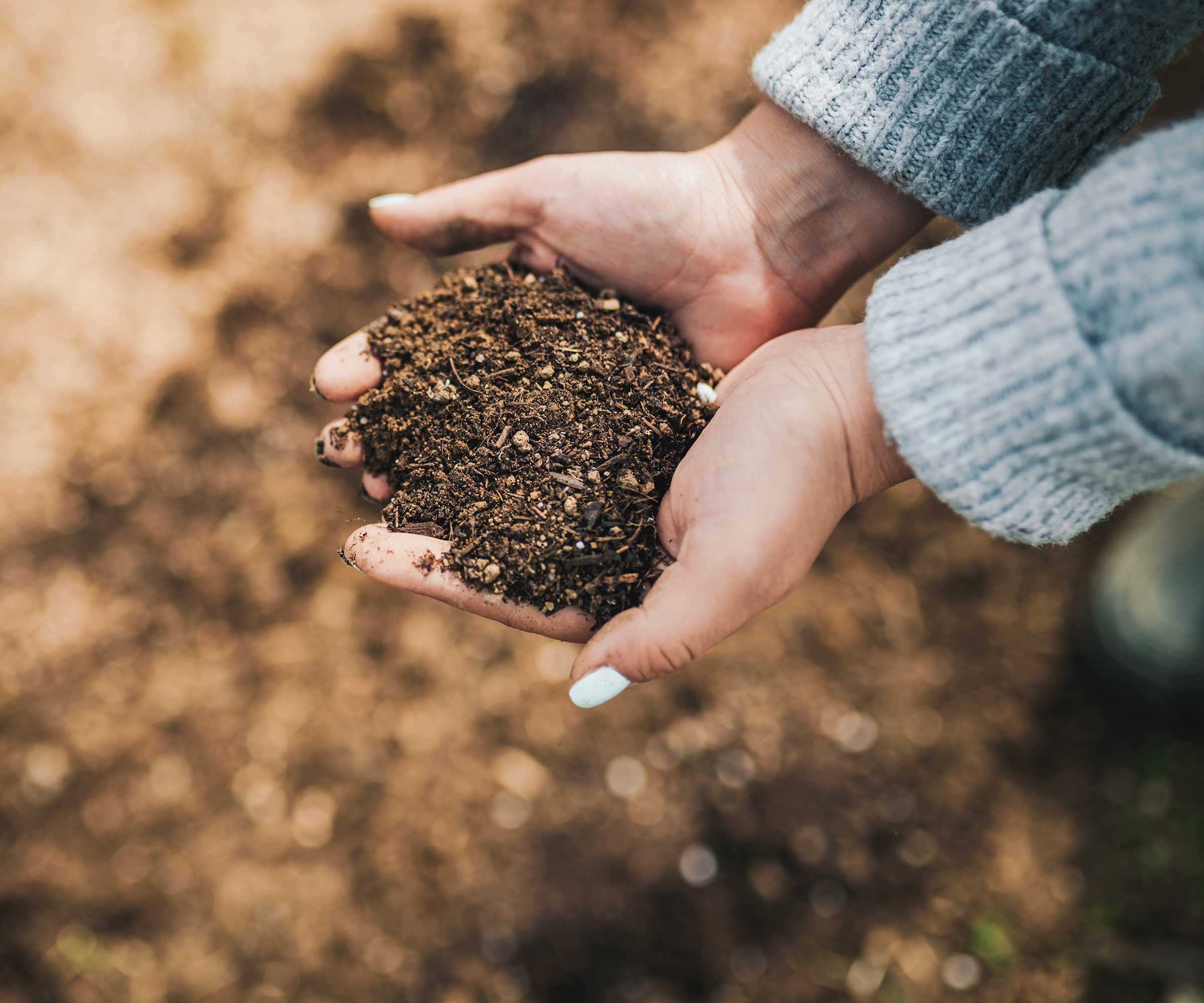
Of course, there's nothing wrong with store-bought compost. Lauren notes it's ideal for convenience, large projects, and to provide a strong foundation in the garden.
'It's great if you don't have the space or time to compost at home,' she adds.
'High-quality commercial compost is typically screened for consistency and can improve soil structure, water retention, microbial activity, and long-term soil health,' she explains.
It's best to purchase specific compost for your needs. For example, this Miracle-Gro all-purpose compost at Walmart is great for topping up borders, while you might want to opt for this potting mix from Amazon for your container garden, as it's designed to be well-draining for pot plants.
But, Lauren notes there is a word of warning when relying solely on store-bought compost:
What to Look Out For
'Quality varies widely. Some compost products are unfinished, overly woody, contaminated, or low in biological activity,' Lauren warns.
'I always recommend sourcing compost from reputable facilities or brands that are transparent about feedstocks and composting processes.
'Finished compost, whether store-bought or homemade should smell earthy and look similar to dark soil,' she explains.
If compost smells bad, is compacted, or overly wet, it's likely not a great quality to rely on for supporting plant growth. Instead, you want it to be dark, crumbly, and moisture-retentive without being overly saturated like a sponge.
'One important thing people often overlook is that compost is less about feeding plants and more about building healthy soil systems over time,' Lauren notes.
'Healthy soils retain more water, support microbial life, reduce erosion, improve resilience during drought, and can reduce dependence on synthetic fertilizers and other inputs,' she explains.
What to Shop
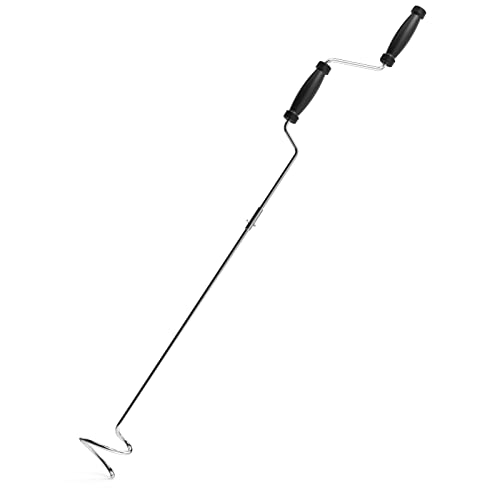
Use this compost aerator to keep your compost heap well-ventilated, aiding decomposition and stopping it from smelling bad.
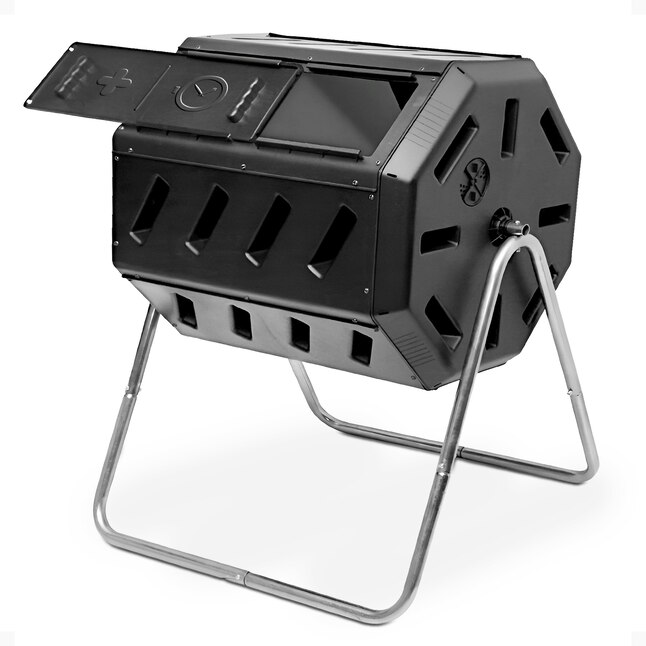
This composter is tumbling, so you can easily turn over your compost. It has a 37-gallon capacity.
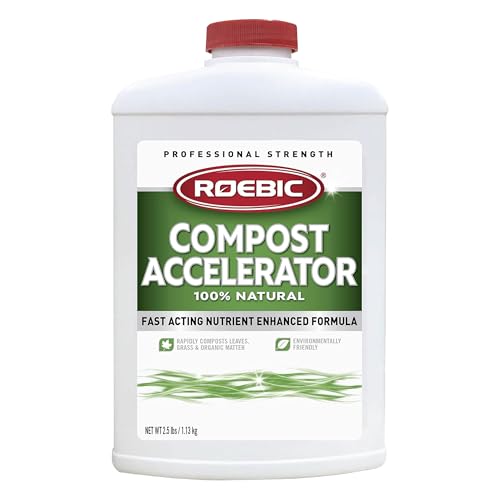
This compost accelerator can kickstart decomposition in your compost heap. It boosts biological activity.
If you're attempting to make your own compost for the first time, consider using methods to speed up composting. This includes getting the green-brown ratio right, making a larger heap, and adding worms to help with decomposition.
If you love inspiring garden ideas, outdoor advice, and the latest news, why not sign up for our newsletter and get the latest features delivered straight to your inbox?