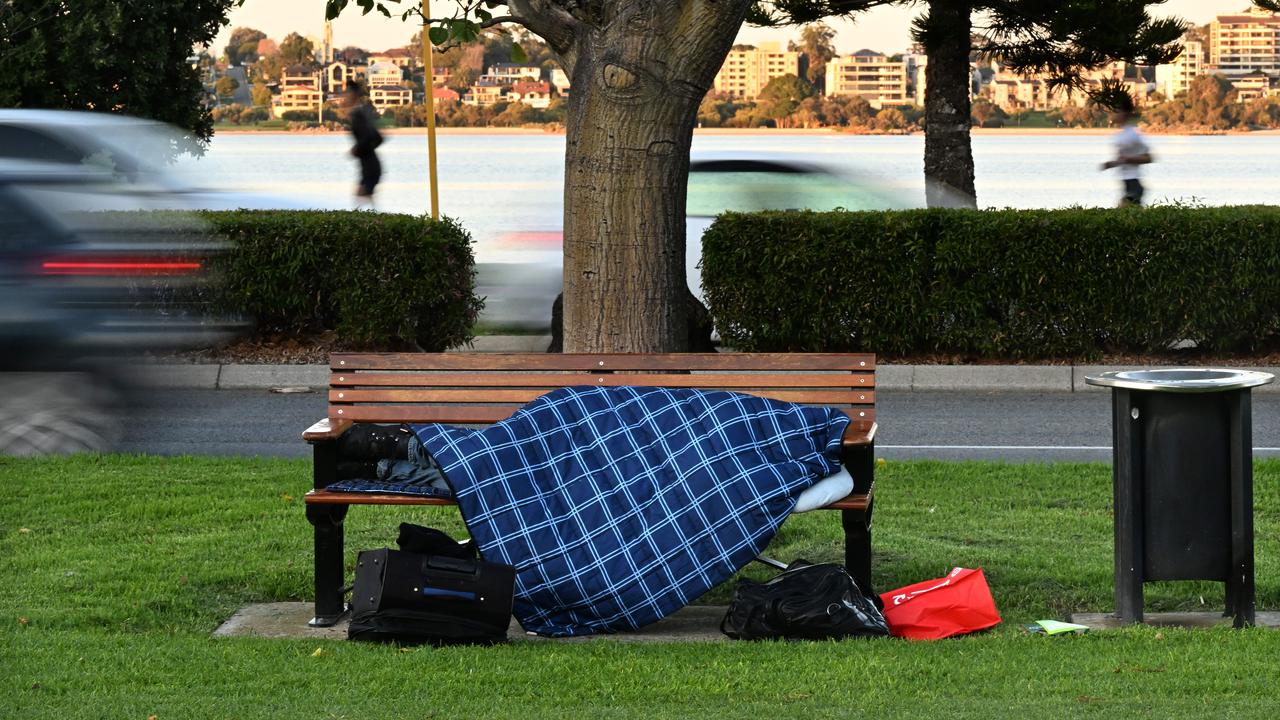
A state government is fast tracking 100 beds for rough sleepers but admits it's nowhere near enough after homelessness was thrust back in the spotlight following the death of a baby in a tent.
A week on from headlines of a rough sleeping mother whose baby died shortly after birth in a tent, the NSW government announced 100 new bedrooms to help those experiencing homelessness.
Housing Minister Rose Jackson said it would bring the total to 900 bedrooms delivered under the government's Homeless Innovation Fund but admitted the number would not be enough.
"None of that is going to solve the problem in and of itself, but it is real action," she told reporters.
"One of the most complex issues that governments face… is homelessness."
The announcement was welcomed by Georgia Hastings, who has previously experienced homelessness.
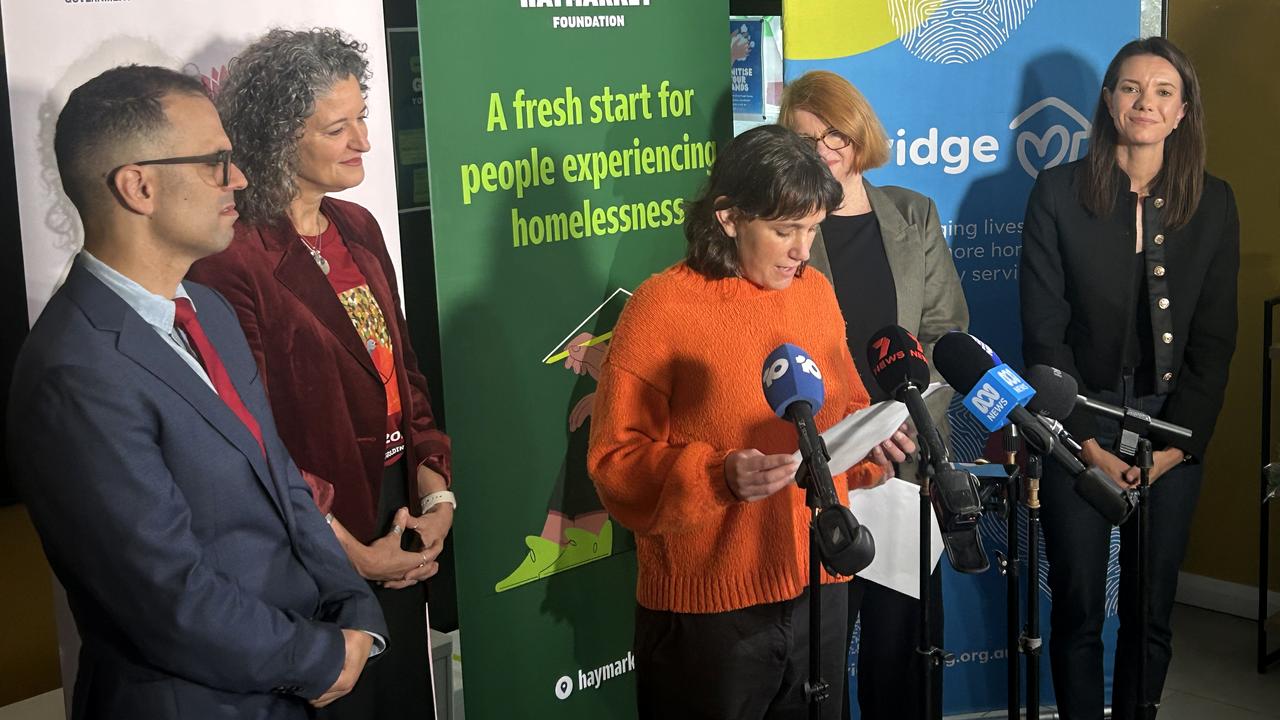
Ms Hastings lives with voices in her head and found it difficult to find a permanent place to call home.
She lived in a hotel, then a backpackers hostel, a stranger's house before eventually the streets.
That was until she found the Haymarket Foundation, which helped accommodate her.
"What I'm most grateful for at the Haymarket Foundation isn't just the bed or the food," Ms Hastings said.
"I was hearing voices ... I was even in love with one of them.
"That's something you hide, (but) at Haymarket, I could talk about it freely. No one flinched. They just accepted it as part of who I was, that acceptance changed something in me."
Ms Hasting helped establish Sydney's first hearing voices group with others at Haymarket and now co-facilitates the support group for those with schizophrenia.
In Australia, there are 254,571 households on the waiting list for social housing, according to Mission Australia.
Police earlier this month discovered a 37-year-old woman with a dead child after they were called to a homeless camp at Wagga Wagga in the NSW Riverina.
The circumstances were not considered suspicious and it refocused a spotlight on the housing crisis.
"The uncomfortable truth is that tragedies like this don't come out of nowhere - they are the result of a housing system that has broken to the point that there is no safe housing or adequate support available," Homelessness Australia chief executive Kate Colvin said.