Homeless shelters and organisations providing emergency accommodation across the UK are preparing for an influx of rough sleepers as temperatures drop to sub-zero, with charities warning that a lack of affordable housing is pushing more and more people onto the streets.
Councils across the country, including North Somerset Council and Bristol City Council, have launched their Severe Weather Emergency Protocol (SWEP) measures in an effort to ensure that people have access to shelter at night, with temperatures set to fall to as low as minus 3C in some regions.
In London, additional support has also been granted, with the mayor of London, Sadiq Khan, saying the cold could be “dangerous and it can often be fatal” for those living on the streets.
Figures released by the Combined Homelessness and Information Network (CHAIN) database in June found that between April 2024 and March 2025, 13,231 people were sleeping rough in London, marking a 10 per cent increase on the previous year.
This is 63 per cent higher than the figure seen in 2015/16, with 50 per cent of those spoken to by outreach workers having a support need relating to mental health.
According to the charity Shelter, new research published in December found that 382,618 people in England were homeless, including 175,025 children. Of this figure, at least 4,667 were sleeping rough on any given night, representing a 20 per cent increase in one year, while another 16,294 were living in hostels and other homeless accommodation.
Francesca Albanese, director of policy and social change at the homelessness charity Crisis, said: “We are seeing a massive increase in temporary accommodation and seeing record levels of people accessing them. There isn’t enough social housing, and the private sector isn’t affordable, and that is decades in the making.

“It’s very unsettling for individuals; becoming homeless is very isolating and dangerous. With shelters and emergency accommodation, people come in for a few days when the weather is cold, but it’s very difficult to then engage in that support someone might need, and link them to the right services in the long term.”
While a number of emergency shelters across the UK are open for referrals, charities are aware that the cold weather results in them filling up quickly, with female-only beds often the only ones left available.
Ms Albanese added: “These kinds of shelter are facing pressures of their own in terms of provision, as we’ve seen rough sleeping going up but we’ve not seen huge increases in funding for emergency accommodation. Emergency provision such as this is vital and lifesaving, and we know people can’t survive when temperatures plummet, and we know it doesn’t cover everybody and there needs to be more of it.”
The UK Health Security Agency (UKHSA) has issued amber cold health alerts for England as an early warning that adverse temperatures are likely to affect health and wellbeing. These are currently set to remain in place until Friday.
A number of severe weather warnings expired on Monday morning, but snow and ice warnings are still in force for much of Scotland north of Glasgow, parts of Wales and the South West, and eastern England stretching up to the Scottish Borders.
“It’s a really dangerous time for people to be out rough sleeping,” said Ffion Nicholas, the helpline manager of youth homelessness charity Centrepoint. “One of the conceptions the public has is that if you become homeless, you’ll be supported with help from the council. A lot of people fall through the cracks. Young people in the past had been sofa surfing, but we are hearing from more and more that they are sleeping on the streets.”
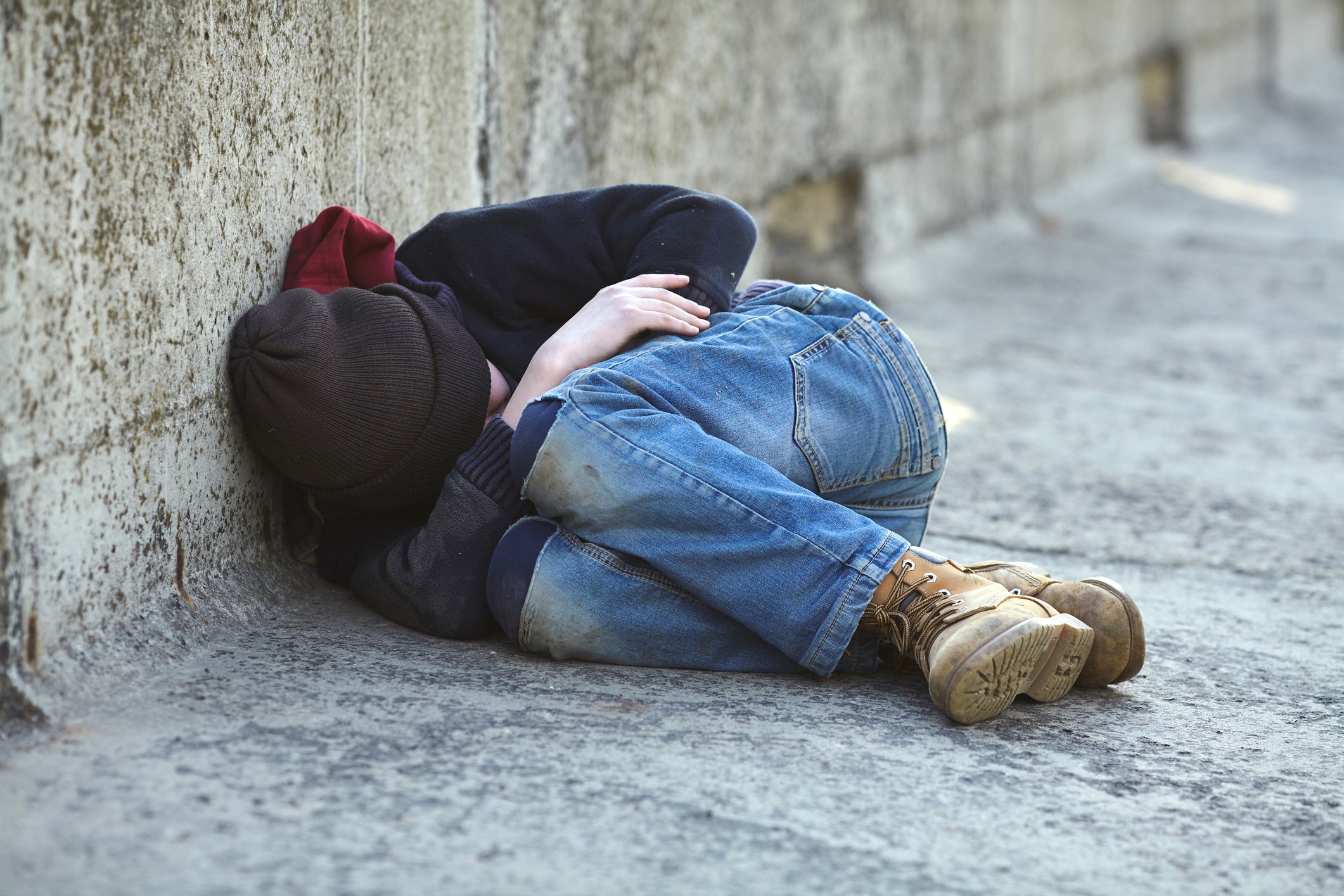
Charities have also warned that as well as young people, they are seeing increasing numbers of pensioners becoming homeless due to their housing benefits being frozen, lack of a sufficient pension, rising energy bills and less family support.
“We keep seeing people coming into our services who are over the age of 65,” Ms Albanese said. “It’s not the case any more that older generations have a pension and security. We have people facing really high housing costs, unable to pay off their mortgages, and people forced into the private rented sector. The older you get, you’re more likely to be impacted by health conditions, and that’s also happening due to the stress and the wider worry of people’s housing situation.”
Crisis, Shelter and Centrepoint all acknowledged that Labour’s £39bn investment in affordable housing over the next decade is “very welcome”, but they have warned that those on the brink of homelessness or sleeping on the streets are in need of homes immediately.
Overnight into Tuesday, the Met Office has warned that temperatures will once again fall below freezing for much of the country, with the lowest temperatures possibly dipping to -12C.
Tuesday will see a continuation of wintry showers at first across parts of Wales and southwest England, according to the forecaster.
A mix of rain, sleet and snow will move southeastwards across Scotland and Northern Ireland, then later into parts of Wales and England, with a chance that a further spell of disruptive snow could affect central and northern Scotland later on Tuesday morning until early evening.
Federal workers annual charity drive sees 40% drop in donations after DOGE layoffs
Almost 200 schools in Northern Ireland remain closed amid icy conditions
Starmer says UK ‘turning the corner’ at first Cabinet meeting of 2026
Britons eating salt equivalent to 155 packets of crisps each week, research finds
Daughter awarded £1,000 compensation after her mother’s ashes spilled in the post
Met Office records coldest night of winter so far as snow and ice grip Britain