Australia's economy slowed significantly despite surging data centre investment, but interest rate rises and the effects of the Iran war mean a downturn may be inevitable.
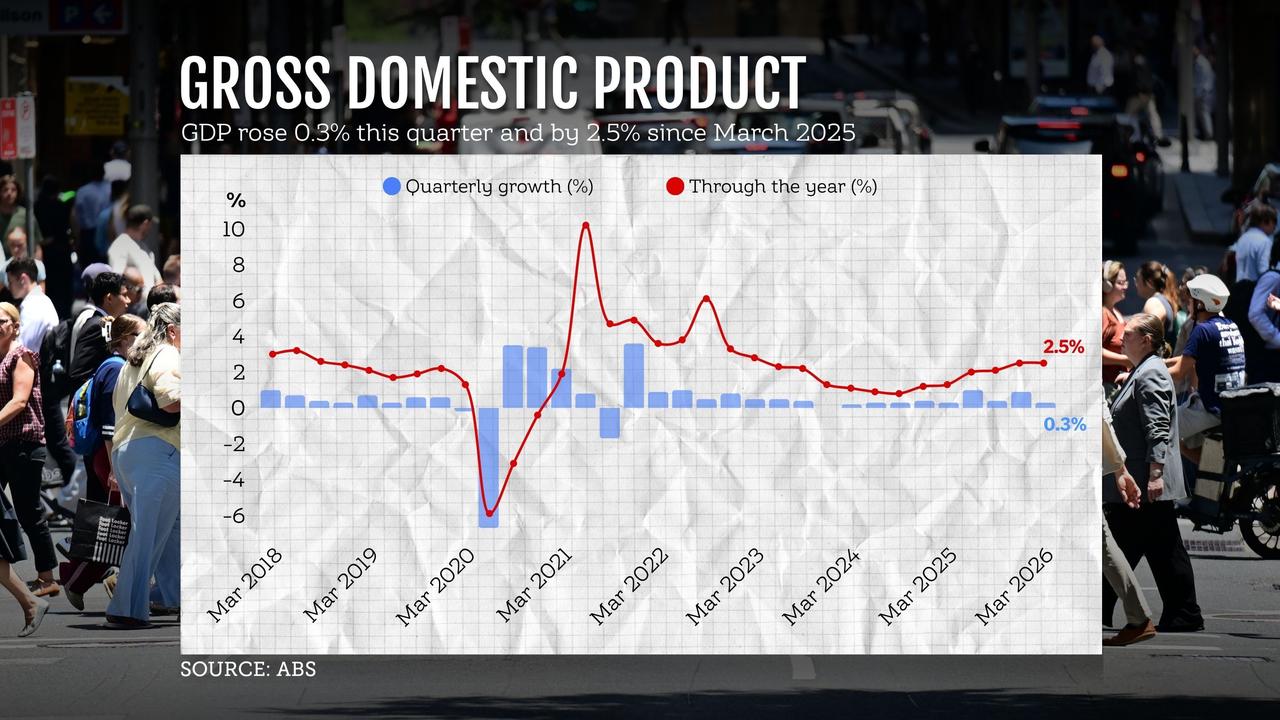
Gross domestic product grew at 0.3 per cent in the first three months of the year, down steeply from the rapid 0.9 per cent expansion recorded in the December quarter, Australian Bureau of Statistics data showed on Wednesday.
The result was slightly below economist forecasts for 0.4 per cent growth.
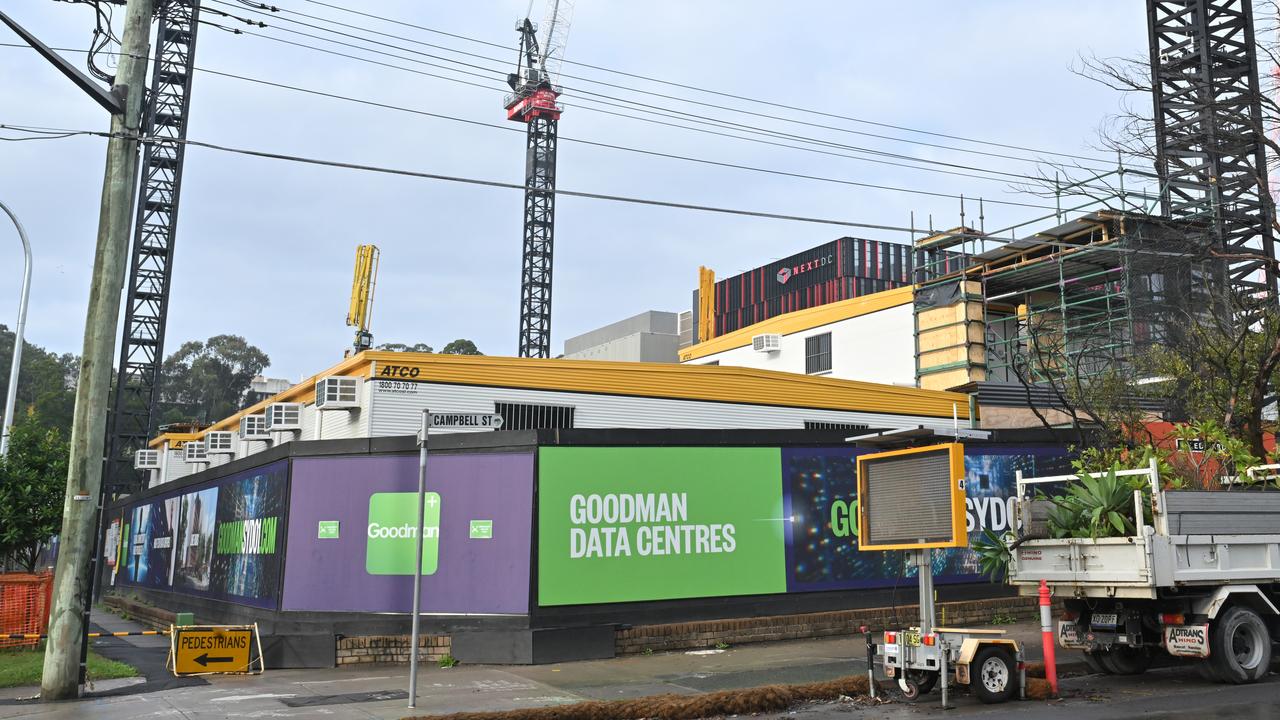
Underpinning the economy's growth was the remarkable $8.7 billion invested in the data centre build-out in the March quarter.
Treasurer Jim Chalmers said it was a solid result given the circumstances, singling out the 5.7 per cent growth in business investment over the quarter.
"Our economy's got no shortage of challenges, but it's also got some very sturdy foundations, and you can see that in today's data," he told reporters in Canberra.
But the momentum was fading and the base of growth was narrowly constrained to the AI boom, Deloitte Access Economics partner Stephen Smith said.
Excluding data centres, investment and economic activity was weak.
Domestic final demand rose one per cent, but would have only grown by 0.25 per cent if data centre activity was stripped out, NAB estimated.
"For policymakers, the result is uncomfortable," Mr Smith said.
"The economy is cooling, but not in a way that suggests inflation will fall neatly back to target.
"A fourth rate hike in 2026 is still on the table."
The data was more dated than usual, given the changes that have occurred since, HSBC chief economist Paul Bloxham said.
"More timely indicators suggest a sharp weakening in economic conditions," he said.
The economy had likely already entered a downturn, he said.
Even before Iran and the budget, the economy was slowing, Australians' living standards were going backwards and inflation was persisting, shadow treasurer Tim Wilson said.
Annual GDP growth was 2.5 per cent, stable from December after a downward revision, but below the Reserve Bank's May forecast of 2.6 per cent.
"Economic growth slowed in the March quarter, with modest household and public sector expenditure as well as cyclone disruptions to mining and export activities," ABS head of national accounts Grace Kim said.
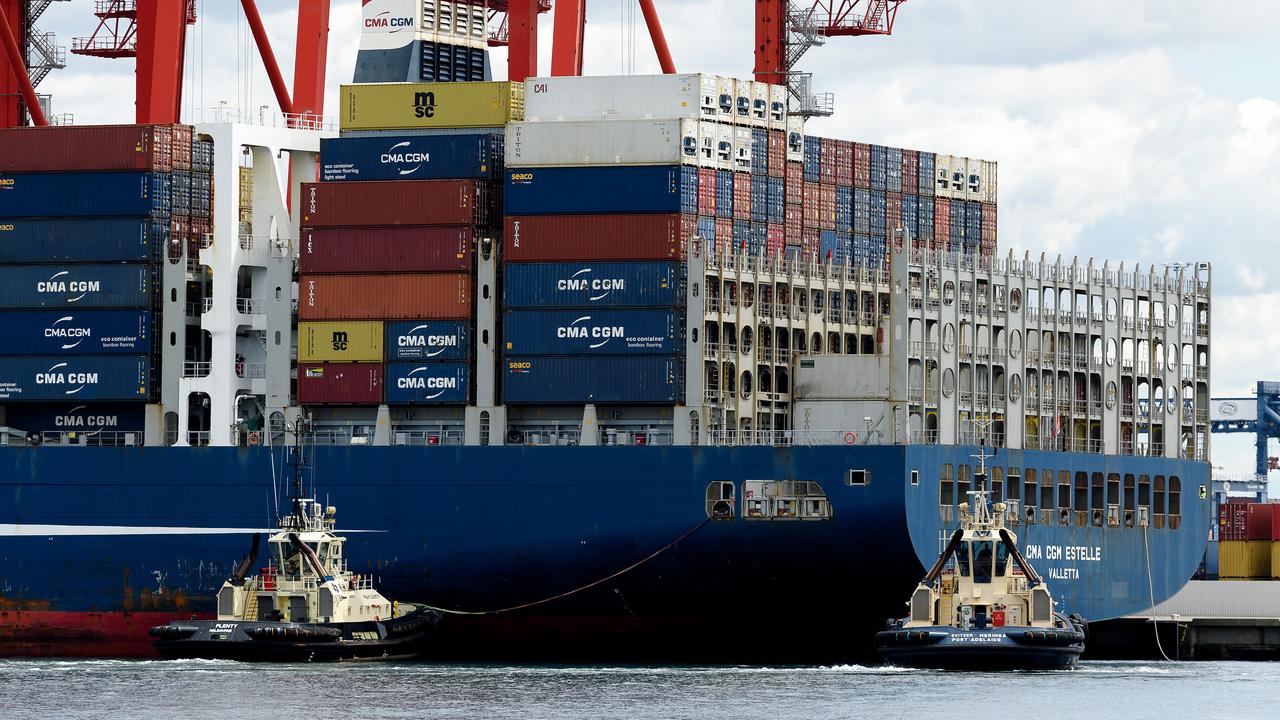
Net trade detracted 0.8 percentage points from GDP growth as server rack purchases for the data centre build-out pushed up imports and a 1.5 per cent fall in mining production contributed to a decline in exports.
Household spending rose 0.5 per cent in the quarter, although this was due in part to the ending of government energy rebates pushing up spending on electricity and gas.
Consumption was also driven by a decline in the household saving rate, which was concerning for the outlook, as it likely heralded the beginning of a sustained fall in real disposable incomes, Mr Bloxham said.
GDP per capita fell 0.1 per cent, and remains below its peak from almost four years ago.
That meant Australia was in the longest per capita recession in the 65 years of quarterly GDP data, Challenger chief economist Jonathan Kearns said.
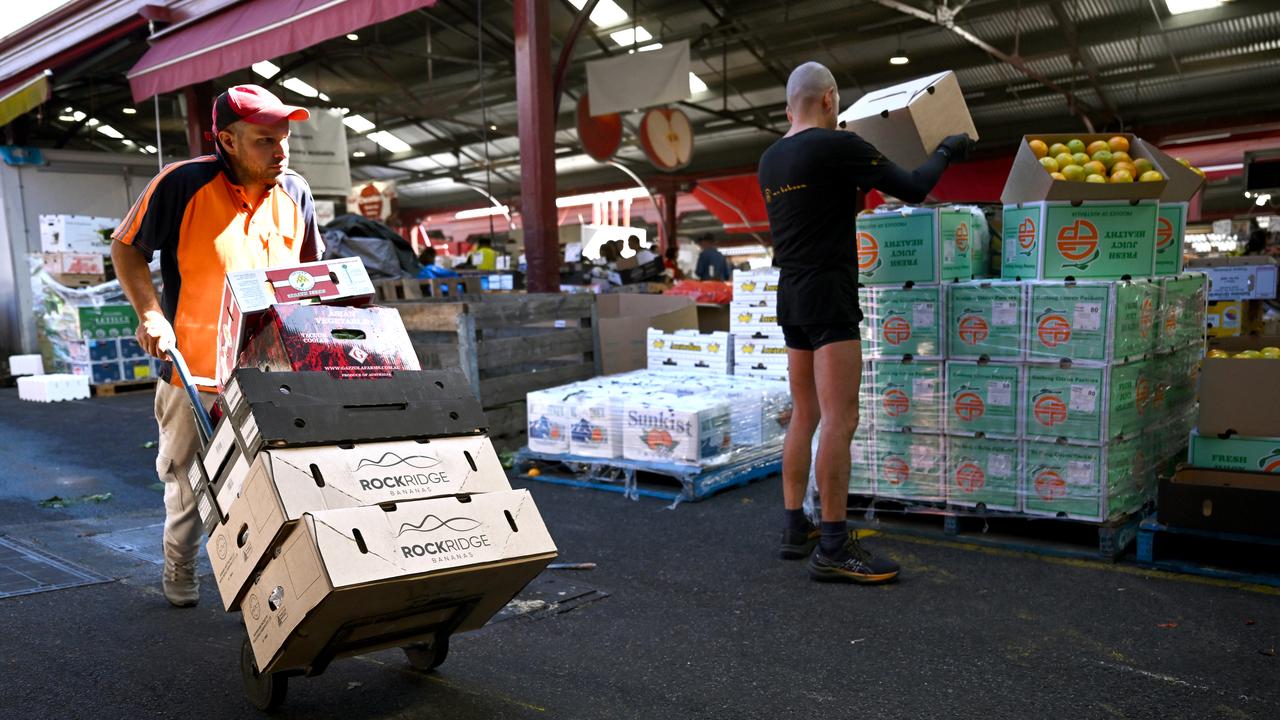
Productivity - as measured by GDP per hour worked - fell 0.6 per cent in the quarter.
"This is the heart of Australia's weak growth," said Dr Kearns, a former RBA official.
"Businesses and workers just aren't getting more efficient. Until we do, we'll remain stuck in the low-growth funk."
Unit labour costs jumped 0.5 per cent, reinforcing concerns about inflation and keeping more rate hikes in play, Dr Kearns said.
Australian Chamber of Commerce and Industry chief of policy David Alexander said the outlook for business was worrying and the prospect of higher taxes on business investment and trusts added to that concern.