This is the sixth and final installment of a series.
Bunyu Ogasawara, 69, appears on a Gifu Broadcasting System radio program twice a month. On April 4, the doctor welcomed guest Takahiro Kuno, 57, of Yamagata, Gifu Prefecture.
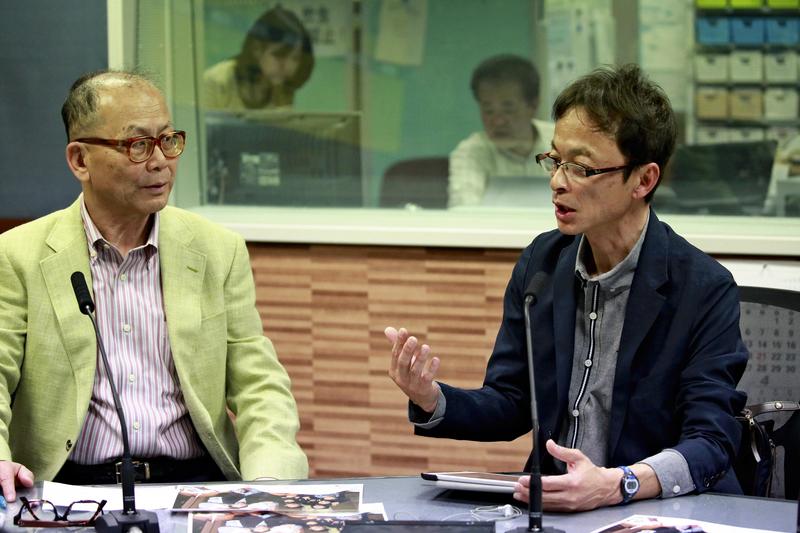
Kuno had just lost his mother, Hisako, who was suffering from dementia when she died aged 79 on March 20. A photograph was handed out inside the studio, and Ogasawara described it.
"Kuno and his family are smiling and making peace signs as they surround Hisako, who has passed away."
For Kuno, March 20 started with a phone call. It was from the nurse who treated the bedsores Hisako had developed over two years of being confined to a bed. "I will visit you at 2:30 p.m," the nurse said. A doctor at the Ogasawara Clinic, which provides in-home medical treatment, also called and said, "I'm making a visit today."
The visits were to discuss Hisako's future -- her physical condition had been worsening since the week before and she was suspected to have fractured her leg. Her attentive long-term care support specialist would also attend this meeting.
The specialist showed up just after 2 p.m., followed by the nurse. Hisako, who on the previous day's visit had been speaking clearly for the first time in a while, was only faintly breathing. The sound of her heartbeat could not be heard. They ran to get Kuno, who had left the room. Just then, the doctor arrived.
Kuno, his wife, the nurse, the specialist and the doctor had all assembled. It was 2:30 p.m. Hisako passed away at that moment -- almost as if she had been waiting for them.
On the April 4 radio program, Kuno concluded with words of gratitude, saying: "It wasn't just my family and I who watched over her. We had help from so many people."
Kuno said that by taking care of Hisako he realized the importance of family members helping each other, and of being grateful to those around you. "I didn't watch over my mother; my mother watched over and taught me."
That moment at 2:30 p.m. on March 20, when the people who had supported her came together, was surely Hisako's final gift. Their "smiling faces and peace signs" revealed feelings of gratitude for Kuno's mother.
'A happy close to life'
It was February 1992, and Ogasawara was surprised. He was caring for a male patient with terminal cancer, but after finishing an examination at his house, the man's wife told Ogasawara: "My husband asked me to get his bag and shoes ready. He said he's leaving today."
"What? He's smiling so peacefully. I can't believe he's going to die," Ogasawara thought.
About two hours later, Ogasawara received a phone call saying the man had just passed away.
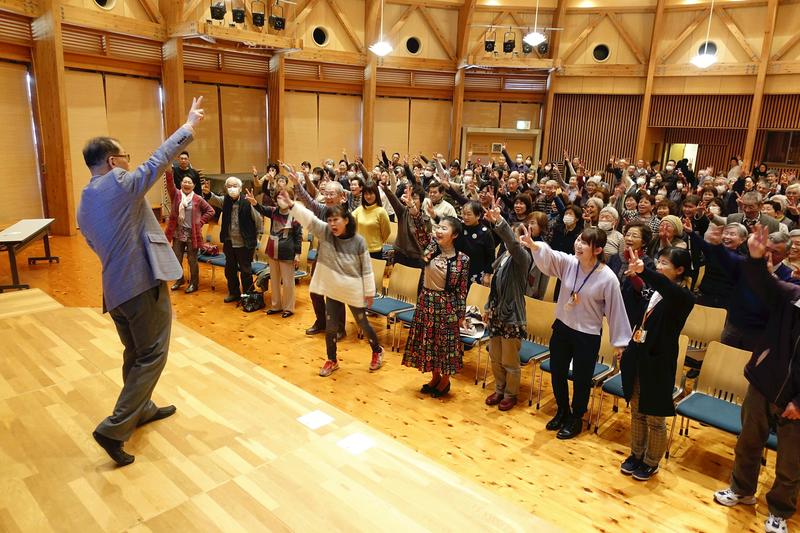
It has been over 25 years since that day. On March 4 this year, Ogasawara shared the episode at a lecture in Sakurai, Nara Prefecture. He went on to say: "I took it for granted that all cancer patients would die suffering. But this man departed with a smile, and his wife was happy. That's when I started thinking in-home care might be a really good thing."
Ogasawara, who undertakes such in-home medical treatment today, receives many requests to give lectures. He has recently been giving about 50 per year, including outside Japan. He also comments on proper terminal care on TV and radio, and a weekly magazine featured an interview between him and scriptwriter Sugako Hashida, who received attention for her book on euthanasia.
The demand for Ogasawara's insight is likely based on the droves of people looking for answers about how they should spend the end of their lives.
"The deathbed is about how you live the last days of your lives," Ogasawara said. Everyone has a different way of living. The house that one has grown used to might be the best place to finish out a life that is true to oneself.
"If you can live life to the fullest in the time you have left, you won't be sad. You'll actually be able to celebrate a happy close to life."
Read more from The Japan News at https://japannews.yomiuri.co.jp/